You have been meaning to do it for weeks.
The sofa looks fine from across the room. But up close, the armrests tell a different story. The seat cushions have that slightly dull, tired look. There is something on the left side that you think might be from last Christmas. And the smell, when you really pay attention, is the smell of a piece of furniture that gets used every single day and cleaned rarely.
You are not alone. Fabric furniture is the most used and least cleaned surface in most London homes and knowing exactly how to clean it safely, without making it worse, is genuinely confusing. The wrong method on the wrong fabric can cause watermarks, shrinkage, colour loss, or permanently set the stain you were trying to remove.
This gives you the full picture. How to clean fabric furniture correctly, sofa, armchair, dining chair, or any upholstered piece, based on fabric type, stain type, and the specific conditions that make cleaning upholstery in a London home different from anywhere else in the UK.
W, S, WS, X four cleaning codes on your furniture label that change everything about how you should clean it
48 hrs how quickly mildew can develop inside damp furniture in a London flat with limited ventilation
3x how much faster London’s hard water (300–400mg/l) causes water marks on fabric compared to soft water UK cities
Start Here Check Your Fabric Code Before You Touch Anything
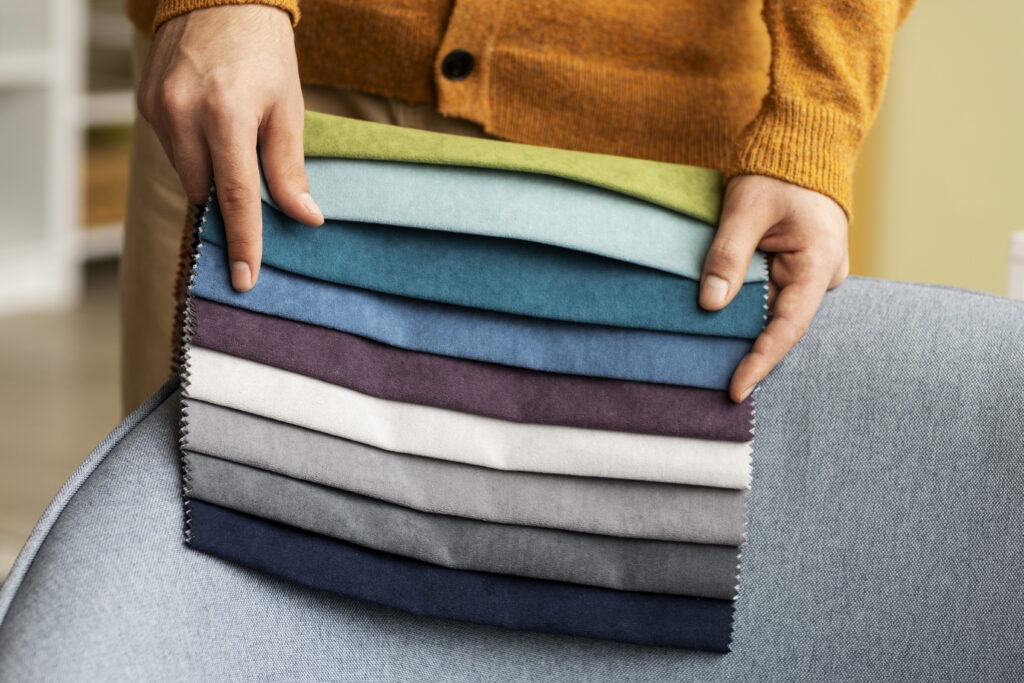
Before any product, any cloth, or any water goes near your fabric furniture, you need to find the cleaning code label. It is almost always attached under a cushion, on the underside of the seat, or tucked behind the back panel. It is a small tag with a single letter or pair of letters. This code determines everything.
| Code | What It Means | What To Use | What To Never Use |
| W | Water safe | Water based upholstery cleaner, foam, diluted shampoo | Dry clean solvents |
| S | Solvent only | Dry cleaning solvent products only | Any water at all causes permanent marks |
| WS or SW | Both water and solvent safe | Either method works here | No restrictions, but always test first |
| X | Vacuum only | Upholstery brush and vacuum | All liquids professional cleaning only |
If your furniture is coded S, stop right now. Water even a damp cloth can cause a permanent watermark on S-coded fabric. This is the most common and most avoidable furniture cleaning mistake made in London homes. A dry clean solvent product or a professional upholstery clean is the correct route.
If there is no label at all which happens with older furniture, inherited pieces, or second hand finds test any product on the back lower corner before touching any visible area. Leave it for five minutes. Check for colour change, shrinkage, or marks. Only proceed if the test area looks completely normal after drying.
London tip: Many vintage and period sofas found in Victorian and Edwardian conversion flats across Islington, Hackney, Brixton, and Clapham have natural fabric like linen, cotton, or silk which behave more like S-coded or delicate fabrics even if labelled W. If your sofa looks or feels like a natural fibre, treat it cautiously and use minimal moisture.
What You Need to Clean Fabric Furniture at Home
You do not need a large collection of products. A focused, well chosen kit handles every fabric furniture cleaning task effectively. Here is exactly what to gather before you start.
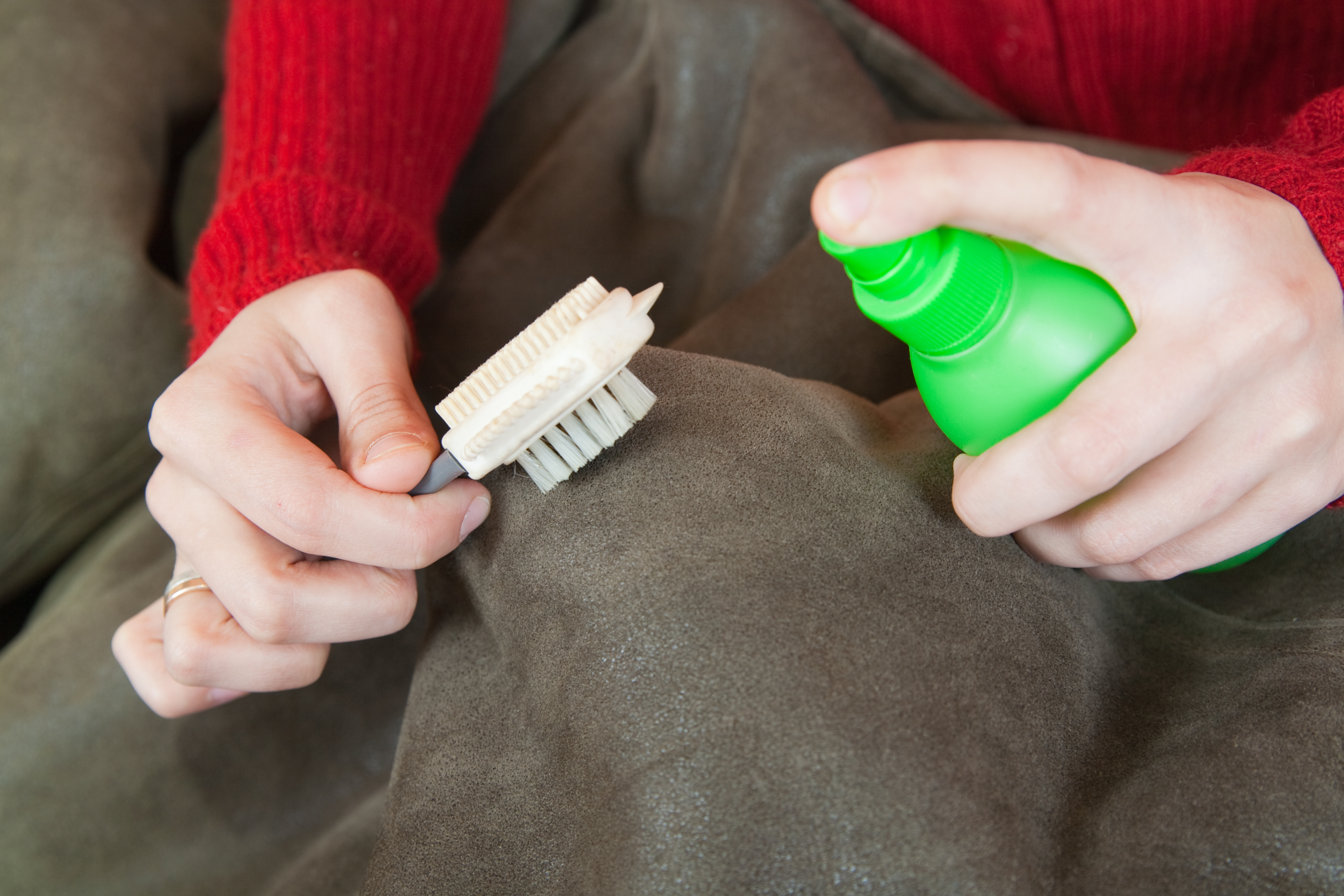
- Upholstery brush or stiff bristle brush: loosens dry surface dirt and pet hair from fabric fibres before any liquid is used always brush before you spray
- Vacuum with upholstery attachment and crevice nozzle: the single most important step removes loose debris from every surface, seam, and gap before cleaning
- White microfibre cloths (minimum three): always white coloured cloths can transfer dye onto light fabric. One for applying, one for blotting, one dry for finishing
- Upholstery shampoo or fabric cleaner (for W-coded furniture): formulated for upholstery not washing up liquid, which leaves residue that attracts more dirt
- Bicarbonate of soda: natural, safe, and genuinely effective at absorbing odours from fabric fibres sprinkle on, leave, vacuum off
- Distilled water (not tap water): critical for London homes London’s hard tap water leaves mineral deposits as it dries. Distilled water adds none
- Small spray bottle: controls the amount of liquid applied the single biggest cause of furniture damage is too much moisture
What to avoid: washing up liquid in any significant amount (leaves sticky residue), bleach or kitchen surface sprays (damage fibres and strip colour), hot water on fresh stains (sets protein based stains permanently), and scrubbing motions on wet fabric (spreads the stain and damages the weave).
How to Clean Fabric Furniture Step by Step
Follow this sequence every time. The order is not arbitrary each step prepares the surface for the next one. Skipping any step reduces the final result significantly.
Step 1: Brush and Vacuum Everything
Remove every cushion. Brush each upholstered surface with the upholstery brush to loosen dust, pet hair, and surface debris. Then vacuum every surface slowly and thoroughly the cushion tops, undersides, and sides; the sofa frame; every seam; every crevice. Use the crevice attachment in gaps and the upholstery attachment on flat surfaces.
This step removes the dry contamination that would otherwise turn into wet mud the moment any liquid is applied. It makes every subsequent step more effective and significantly improves the final result.
Step 2: Deodorise With Bicarbonate of Soda
Sprinkle a light, even layer of bicarbonate of soda across the entire fabric surface. Leave it for 30 to 60 minutes longer for any persistent smell. The bicarbonate absorbs odour compounds from the fabric fibres rather than masking them with fragrance. Vacuum every trace off thoroughly afterwards.
This step is safe for every fabric type, including children’s furniture, pet-friendly upholstery, and any fabric you are uncertain about. It works. And it is genuinely the most underused step in home furniture cleaning.
Step 3: Pre-Treat Any Visible Stains
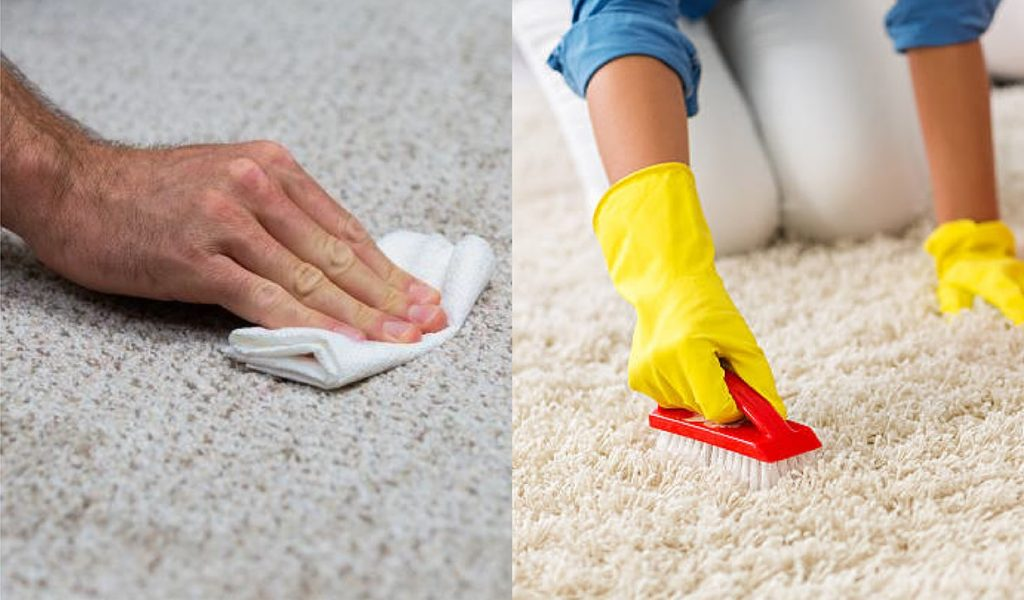
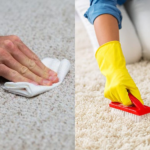
Stains must be treated individually before the general clean not during it. Apply the correct treatment for each stain type to a white cloth, then blot from the outer edge of the stain inward. Never rub. Never scrub. Rubbing spreads the stain sideways and pushes it deeper into the fabric weave.
Leave the treatment to work for five minutes before blotting. A patient five minutes of dwell time does more than a frantic thirty seconds of scrubbing. See the stain by stain table below for the correct treatment for each stain type.
Step 4: Clean the Full Fabric Surface
For W-coded furniture, apply a small amount of upholstery shampoo foam to a white cloth not directly onto the fabric. Work in sections of roughly 30cm, moving the cloth in small, gentle circular motions. Follow immediately with a dry cloth, pressing firmly to extract moisture.
Use the smallest amount of liquid that still produces a result. In London, this is not just about speed it is about hard water. Every drop of London tap water that remains in the fabric after cleaning leaves dissolved minerals behind as it evaporates. These minerals create a faint white residue the same limescale that builds up on your taps. Using less moisture and blotting dry immediately reduces this significantly.
Step 5: Rinse With Distilled Water, Not Tap Water
After cleaning each section, lightly blot with a cloth barely dampened with distilled water not tap water. This removes cleaning product residue without adding new mineral deposits. Then immediately blot dry.
This is the step that most London furniture cleaning guides miss completely. Rinsing with tap water replaces cleaning product residue with mineral residue. Distilled water removes the cleaning product and leaves nothing behind.
Step 6: Dry as Fast as Possible
Open every window in the room. Use a fan if you have one. The faster the fabric dries, the less mineral residue London’s water chemistry leaves in the fibres, and the lower the mildew risk in smaller, less ventilated London properties.
Do not sit on the furniture until it is completely dry. Sitting on damp upholstery compresses wet fibres and drives moisture deeper into the padding extending drying time and increasing odour risk. Wait until the fabric feels fully dry to the touch.
Check after drying: Once the fabric has dried completely, inspect in good light. If any pale rings or watermarks are visible, treat them immediately with a diluted white vinegar and distilled water solution (1:2 ratio), blot, then distilled water blot again. Do this before they set further treated early, London water marks on fabric are almost always fully removable.
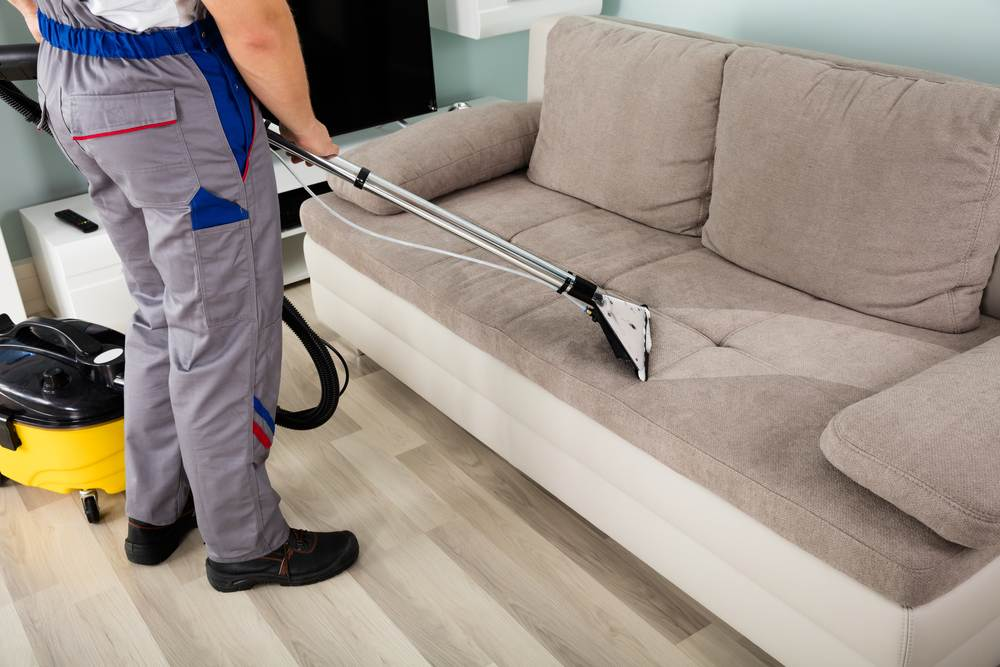
How to Remove Stains From Fabric Furniture By Stain Type
Different stains need completely different chemistry. Using the wrong treatment on the wrong stain can set it permanently. This table gives you the correct method for every common stain on fabric furniture
| Stain Type | Immediate Action | Correct Treatment | The Mistake That Sets It Forever |
| Red wine | Blot all liquid do not rub | Bicarbonate paste left 10 mins, then cold water blot | Rubbing spreads dye into surrounding fibres |
| Coffee or tea | Blot excess immediately | Cold water blot, then diluted white vinegar, blot dry | Hot water permanently sets the tannin |
| Pet urine | Absorb all moisture first | Enzyme based cleaner dissolves uric acid crystals | Bleach or vinegar alone masks but does not remove |
| Grease or oil | Sprinkle bicarbonate on dry | Leave 20 mins, vacuum, then upholstery cleaner | Adding water to a fresh oil stain spreads it |
| Blood | Cold water blot only | Cold water repeatedly never warm or hot | Hot water at any stage sets blood permanently |
| Ink | Do not wet the area | Isopropyl alcohol on white cloth, blot from outside in | Water spreads ink into a larger mark |
| Vomit | Remove solids gently | Cold water, then enzyme cleaner, then bicarbonate | Scrubbing the area while wet |
| Chocolate | Let it dry completely | Scrape off dry residue, then cold water and cleaner | Trying to clean while still soft and wet |
| Mud | Let it dry completely | Vacuum dry mud off first, then damp cloth | Wiping wet mud drives it deep into the weave |
| Water mark (London) | Leave to dry first | Distilled vinegar (1:2 distilled water), blot, rinse | More London tap water worsens mineral deposit |
Cleaning by Fabric Type What Works on Your Specific Furniture
The same cleaning method does not work on every fabric. Here is what to do and what to avoid for each common type of fabric furniture in London homes.
Polyester and Synthetic Blends
The most forgiving fabric type. Water based cleaning works well, dries relatively quickly, and resists most staining. Good for busy London households with children or pets. A diluted upholstery shampoo and plenty of blotting produces a consistent, reliable result.
Microfibre
One of the best fabrics for home cleaning. Responds well to water based foam and also to rubbing alcohol for tougher marks. After cleaning, use a dry stiff brush to raise the pile back to an even finish microfibre can look matted when wet but recovers beautifully once dry and brushed. A London favourite because it handles pet hair well and cleans consistently.
Cotton and Linen
Natural fibres that are susceptible to watermarking, shrinkage, and colour bleeding if over wetted. Use minimal moisture, distilled water for rinsing, and always test in a hidden area. Cotton and linen can handle W-coded cleaning but need care. In older London properties with cotton or linen covered period furniture, consider a professional clean rather than risk watermarking a piece that may be difficult to replace.
Velvet
The most unforgiving fabric for DIY cleaning. Velvet pile flattens when wet and is extremely difficult to restore to an even finish without professional equipment. For fresh, small marks on velvet: use a white cloth barely dampened with cold water and blot gently. For anything more significant, book a professional upholstery clean. The cost of a professional clean is almost always lower than the cost of replacing a damaged velvet sofa.
Wool
Wool is naturally stain resistant but also naturally prone to shrinking when wetted with warm or hot water. Cold water only, minimal moisture, and very gentle technique. Wool responds best to specialist wool safe upholstery products rather than general fabric shampoo.
Leather and Faux Leather Panels
If your sofa has leather or faux leather sections alongside fabric panels, these need different products. Do not apply fabric cleaner to leather panels it strips the surface finish. Clean leather with a dedicated leather cleaner and conditioner. Clean fabric panels with fabric cleaner. Keep the products separate and respect the material boundary.
Why Cleaning Fabric Furniture in London Is Different
This is the section that most online guides skip completely and it matters a great deal if you live in London.
London water is the hardest in the UK. At 300–400mg/l of dissolved minerals, London tap water leaves a faint white residue in fabric every time it dries without being fully extracted or rinsed with distilled water. This is why London homeowners often notice their upholstery looks dull or slightly stiff after a DIY clean that seemed to go well. The cleaning itself was fine the water left its mark as it dried.
London flats have less ventilation. Smaller rooms, single aspect windows, and converted Victorian and Edwardian properties mean wet furniture takes longer to dry. In humid conditions, damp upholstery can begin developing mildew inside the foam padding within 48 hours a problem you cannot see but can definitely smell. Fast drying with windows open and a fan is not optional in a London flat.
Urban pollution settles on all surfaces. The fine particulate matter from London’s roads, construction, and traffic continuously deposits on soft furnishings. This is why fabric furniture in London homes near busy roads Hackney, Islington, Brixton, Camden, Wandsworth needs cleaning more frequently than in quieter environments. This pollution is also abrasive, gradually wearing fabric fibres from the surface inward.
London households have more daily traffic. City living means more people coming and going through smaller spaces. A sofa in a London flat with flatmates or a young family takes significantly more daily wear than the same sofa would in a larger property elsewhere. This accelerates soiling and makes regular maintenance more important not less.
Simple Habits That Keep Fabric Furniture Clean Between Deep Cleans
The most effective approach to keeping fabric furniture looking and smelling good is not a monthly cleaning session it is a set of quick, consistent habits that prevent build up from reaching the level where a deep clean becomes necessary.
Vacuum weekly. Use the upholstery attachment every time you vacuum the floor same visit, same effort. This removes the surface debris and pet hair that would otherwise work its way into the fabric over time. A two minute vacuum of the sofa every week makes the annual deep clean significantly easier and less necessary.
Bicarbonate once a month. Sprinkle, leave for 30 minutes, vacuum off. This takes ten minutes total and prevents odours from developing in the fabric. It is one of the most effective and most overlooked maintenance habits for any fabric furniture in a London home.
Deal with spills in the first five minutes. The difference between a stain that comes out easily and one that needs professional treatment is almost entirely determined by how quickly you respond. Blot never rub. Blot from the outside edge inward. Cold water for most stains, enzyme cleaner for pet accidents, no water for ink.
Rotate cushions. Reversible cushions should be flipped and rotated regularly so wear and soiling happen evenly across all surfaces not just the top side that everyone sits on.
Professional deep clean annually. For London households, a professional upholstery clean once a year or twice yearly for households with children and pets removes what maintenance cleaning cannot reach: the allergens, dust mites, and bacteria inside the cushion foam structure. Our guide on how often to get your sofa professionally cleaned in London explains the recommended frequency by household type.
When to Call a Professional Upholstery Cleaner in London
Home cleaning is effective for regular maintenance and fresh stains caught quickly. There are situations where a professional result is the better choice not because home cleaning is impossible, but because the risk of making it worse outweighs the effort of doing it yourself.
The stain has been there for more than a few days. Old stains that have been treated incorrectly, or simply left, need professional chemistry and hot water extraction to fully break down. A professional result on an old stain is almost always significantly better than repeated DIY attempts.
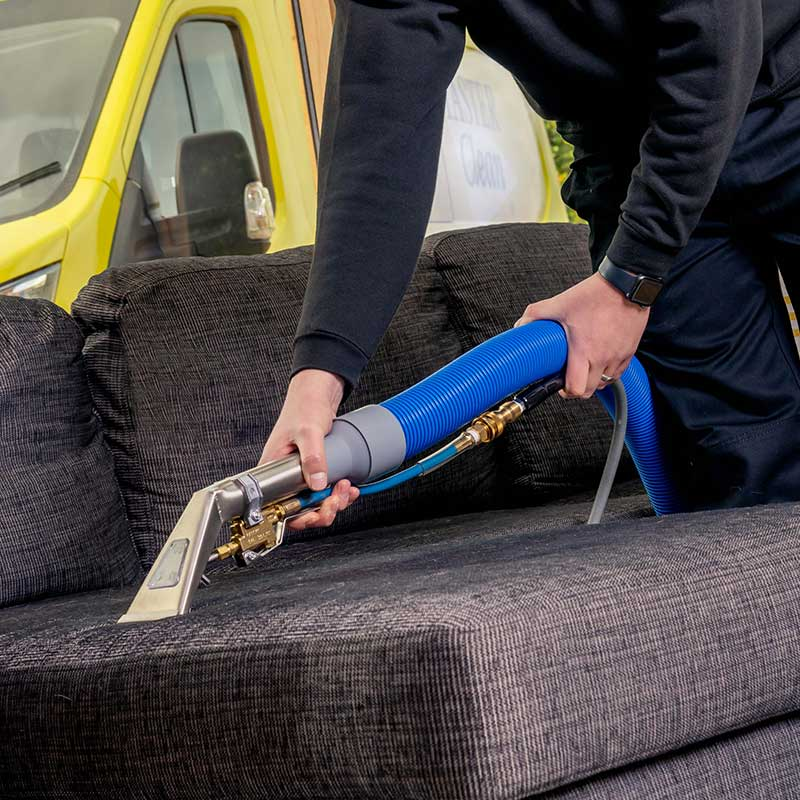
The smell returns within a week. Persistent odour means contamination has reached the foam padding structure underneath the fabric. Surface cleaning even done well does not reach this. Professional hot water extraction with enzyme pre-treatment penetrates the full upholstery structure and removes the odour at its source. Read more about what professional cleaning involves in our guide on the best way to clean sofa fabric in London.
The fabric is velvet, silk, or S-coded. These fabrics should not be cleaned with water at home. Dry cleaning solvent or professional upholstery methods are the correct approach and damage from incorrect home cleaning on these fabrics is often permanent.
You want allergen and dust mite removal. A vacuum and a surface clean removes what you can see. Professional extraction removes what you canno the allergens and dust mite colonies living inside the foam of every upholstered piece that has not been deep cleaned in over a year. For London households with asthma or allergy sufferers, this is a genuine health benefit, not just an aesthetic one.
Safa Cleaning Services provides specialist sofa and upholstery cleaning services across London covering every London borough from our base at 124 City Road, London EC1V 2NX. Our professional team uses hot water extraction, enzyme matched stain treatment, and distilled water rinsing specifically calibrated for London’s hard water conditions.
For more on the professional products that actually work on fabric furniture, see our expert guide on professional cleaning products used in London.
🛋️ Professional Fabric Furniture Cleaning All London Boroughs Safa Cleaning Services | 124 City Road, London EC1V 2NX | Safe for all fabric types | Fast drying | 100% satisfaction guarantee Book your free London upholstery cleaning quote →
Frequently Asked Questions
Q: What is the best way to clean fabric furniture at home?
Check the cleaning code label first W (water safe), S (solvent only), WS (both), or X (vacuum only). For W-coded furniture: vacuum thoroughly, deodorise with bicarbonate of soda, pre-treat stains individually by blotting from outside inward, then clean the full surface with upholstery foam on a white cloth using minimal moisture. Rinse with distilled water (not tap water in London), and dry with windows open and a fan. Never rub always blot.
Q: Can fabric furniture be washed?
Not washed in the way clothes are upholstered furniture cannot be submerged. Removable fabric covers from some sofas and chairs can be machine washed if the care label permits, but the upholstered frame itself must be cleaned in place using the correct method for its fabric code. W-coded furniture can be cleaned with water based products applied carefully. S-coded furniture must be cleaned with dry cleaning solvents only.
Q: How do I deep clean fabric furniture at home?
A home deep clean involves: full vacuuming of every surface and seam, a 60-minute bicarbonate of soda deodourising treatment, individual stain pre treatment, a full fabric clean in small sections with upholstery foam, a distilled water rinse blot, and fast drying with maximum ventilation. A true deep clean that removes allergens and bacteria from inside the foam padding requires professional hot water extraction home methods clean the fabric surface effectively but rarely penetrate to the cushion core.
Q: How do you remove water marks from fabric furniture in London?
London’s hard water (300–400mg/l) leaves white mineral marks on fabric as it evaporates. Mix one part white distilled vinegar with two parts distilled water. Mist lightly onto the mark do not soak. Leave three to five minutes. Blot with a dry white cloth. Follow with a distilled water blot to remove vinegar residue, then blot completely dry. Always use distilled watertap water adds more minerals and worsens the mark.
Q: Is it safe to use baking soda on fabric furniture?
Yes bicarbonate of soda is safe for all fabric types, including delicate natural fibres and children’s furniture. Sprinkle a light layer across the fabric, leave for 30 to 60 minutes, then vacuum completely off. It absorbs odours from the fabric fibres rather than masking them. It does not clean stains, but it is one of the most effective and safest deodourisers available for fabric furniture.
Q: How do I clean fabric furniture without a machine?
By hand: vacuum first, then apply upholstery shampoo foam (for W-coded fabric) to a white cloth and work gently in small sections, blotting not rubbing as you go. Follow each section with a dry cloth to absorb moisture. Finish with a distilled water blot on each section. Dry with windows open and a fan. This method produces a good result for lightly to moderately soiled fabric furniture without any machine at all.
Q: Can I use vinegar to clean fabric furniture?
Diluted white vinegar (mixed with distilled water) works well for mild surface cleaning, deodourising, and removing hard water marks from W-coded fabric furniture. Use a 1:2 ratio (vinegar to distilled water), apply sparingly with a white cloth, blot do not rub and immediately follow with a distilled water rinse blot. Avoid undiluted vinegar, which can affect some fabric dyes. Never use vinegar on S-coded furniture.
Q: How do I make my fabric sofa look new again?
A full deep clean vacuum, bicarbonate deodourising, stain pre-treatment, fabric clean with upholstery shampoo, distilled water rinse, and thorough drying restores most fabric sofas significantly. After drying, a final vacuum with the upholstery attachment lifts the pile back to an even finish. For sofas with severe soiling, old set stains, or odour that has penetrated the foam padding, professional hot water extraction produces results that home cleaning cannot match.
Q: How often should I professionally clean my fabric furniture in London?
Once a year for most London households. Every six months for homes with children, pets, or allergy sufferers. Regular home maintenance between visits weekly vacuuming and monthly bicarbonate treatment significantly reduces the depth of cleaning needed at each professional visit. Our guide on how often to get sofa cleaning in London gives specific guidance by household type.
Q: How do I book professional fabric furniture cleaning in London?
Visit our sofa and upholstery cleaning services or contact Safa Cleaning Services directly. We cover all London boroughs from Central London to East, North, South, and West with certified technicians, professional hot water extraction, and transparent fixed pricing. Same day availability for urgent cleaning.
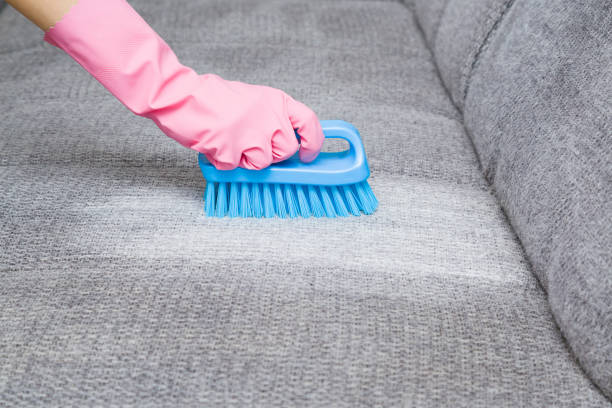
Clean Fabric Furniture the Right Way Start With What You Can Do Today
Cleaning fabric furniture at home is completely achievable when you follow the right steps check the code, use the right product for the right stain, apply minimum moisture, and dry fast.
In London, that last point matters more than most people realise. Hard water, limited ventilation, and urban pollution all make upholstery cleaning here slightly more demanding than in a softer water, less urban environment. But the approach in this guide accounts for all of it.
When the job needs professional depth old stains, persistent odour, velvet or delicate fabric, or simply a once a year reset Safa Cleaning Services covers every London borough with the right equipment, the right products, and a guarantee you can rely on.