You have looked at that sofa long enough.
Maybe it is the armrest that has gone from light grey to something you would rather not describe. Maybe it is the cushion with the wine stain that happened six months ago and has been hidden under a throw ever since. Maybe it just smells not obviously, but enough that you notice it when you walk back in from outside.
Whatever the state your sofa is in right now, this guide gives you the honest, complete answer to how to actually clean it without making it worse, without using the wrong products on the wrong fabric, and without spending hours on a result that disappears within a week.
The best way to clean sofa is not the same for every fabric type, every stain, or every household. This guide walks through all of it: how to clean a fabric sofa by hand at home, how to remove stains from a sofa without spreading them, the right method for cloth and material sofas, and honestly when the job is better left to a professional who can get into the fibres properly.
35% of UK households have a sofa that has never been properly deep cleaned yet it is used more hours per day than any other piece of furniture
40,000+ dust mites can live in a single square metre of upholstered fabric invisible but very real
2x faster re soiling on a sofa cleaned with the wrong product that left a sticky residue behind
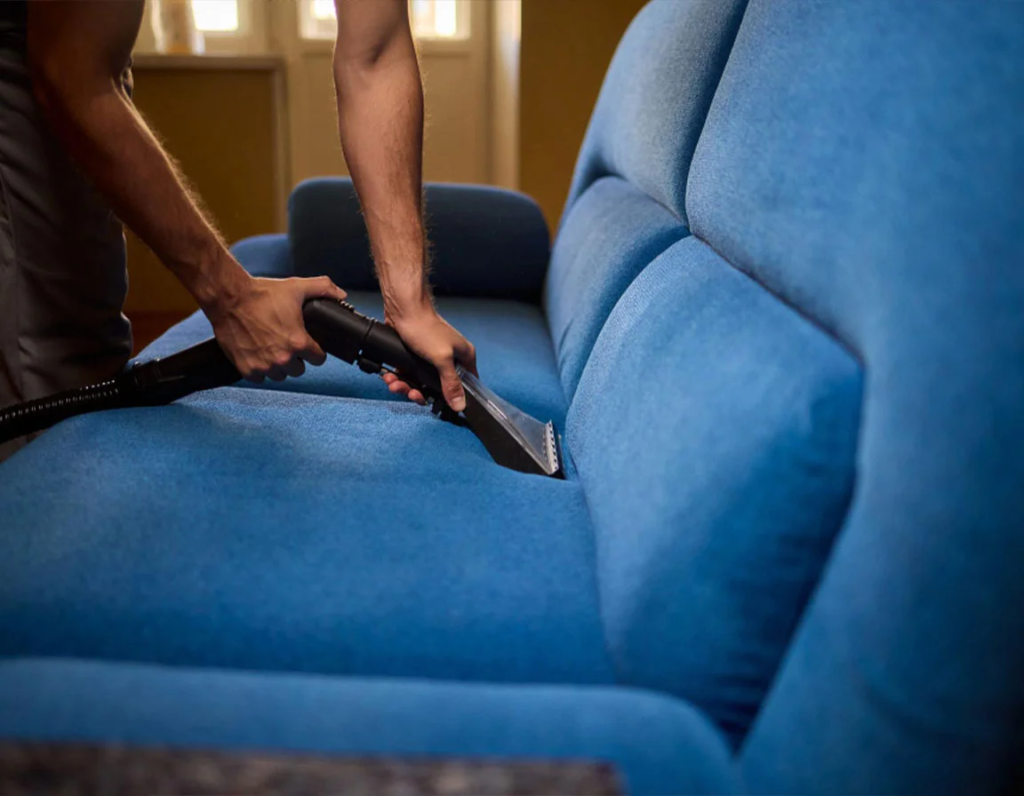
Step One: Find Your Best Way to Clean Sofa Code This Changes Everything
Before you touch your sofa with any product at all, there is one thing you absolutely must do: check the cleaning label. Almost every sofa sold in the UK has a small tag usually underneath a cushion or on the underside of the seat with a letter code. This code tells you exactly what you can safely use on the fabric.
Get this wrong, and you can permanently damage the fabric, cause watermarks that cannot be removed, or strip the colour from the material. This is the single most common mistake people make.
| Code | What It Means | What to Use |
| W | Water based cleaners safe | Upholstery shampoo, foam, water based solutions |
| S | Solvent based cleaners only | Dry cleaning solvent no water at all |
| WS or SW | Either water or solvent safe | Most cleaning methods work |
| X | Vacuum only no liquids | Professional dry cleaning or professional service only |
If your sofa has no visible tag, or if it is a vintage piece or a model bought second hand, test any product on a small hidden area in the back bottom corner and leave it for 10 minutes before checking for colour change, shrinkage, or water marks. Never skip this test.
Important: A sofa marked ‘S’ (solvent only) will be permanently damaged by water based cleaning products. Watermarks on this fabric type are extremely difficult to remove and often impossible to fully reverse. If in doubt about your fabric code, contact the manufacturer or book a professional upholstery cleaning service rather than risk the damage.
What You Actually Need to Clean a Sofa at Home
You do not need dozens of specialist products. A small, focused kit covers most fabric sofa cleaning tasks effectively. Here is what actually works and what to avoid.
- Upholstery brush or stiff bristled brush: loosens dry dirt and pet hair from fabric fibres before any liquid is applied
- Vacuum cleaner with upholstery attachment: removes loose debris, crumbs, dust, and pet hair thoroughly the most important step before any cleaning solution
- Clean white microfibre cloths: coloured cloths can transfer dye onto light fabric always use white
- Mild upholstery shampoo or fabric cleaner (W-coded sofas): formulated for fabric and safe when used correctly
- Bicarbonate of soda: excellent natural deodoriser sprinkle on, leave 20–30 minutes, vacuum off
- Cold water: for diluting solutions and blotting fresh stains never hot water on fresh stains, which sets them deeper
- Small spray bottle: controls how much liquid is applied over wetting is one of the most common mistakes
What to avoid: strong household cleaners like bleach or all purpose kitchen sprays, washing up liquid in large amounts (leaves residue that attracts dirt), hot water on fresh stains, and scrubbing motions on wet fabric (which spread stains outward and damage fibres).
How to Clean a Fabric Sofa Step by Step
This is the method professional cleaners use for how to clean a cloth sofa at home in the right order, with the right dwell times, to get a result that lasts.
Step 1: Remove All Cushions and Vacuum Thoroughly
Take off every removable cushion. Vacuum all sides of each cushion individually top, bottom, and sides. Then vacuum the sofa frame itself: the seat base (where crumbs and debris gather), the back panels, and every crevice. Use the narrow nozzle for crevices and the upholstery attachment for the main fabric surfaces. Brush first with an upholstery brush if the fabric has a nap or pile this loosens trapped dirt and pet hair that the vacuum then picks up.
This step alone makes a visible difference before a single product is applied. Most people underestimate how much is sitting in the fabric and between the cushions.
Step 2: Deodorise With Bicarbonate of Soda
Sprinkle bicarbonate of soda lightly across the entire sofa surface. Leave it for a minimum of 20 minutes 30 to 60 minutes is better for any sofa that has a persistent smell. The bicarbonate absorbs odours from the fabric fibres rather than masking them. Vacuum it off thoroughly afterwards. This step is particularly effective for pet smells, cooking odours absorbed from open plan kitchen layouts, and the general built up smell of regular use.
Step 3: Spot Treat Any Stains Before the Full Clean
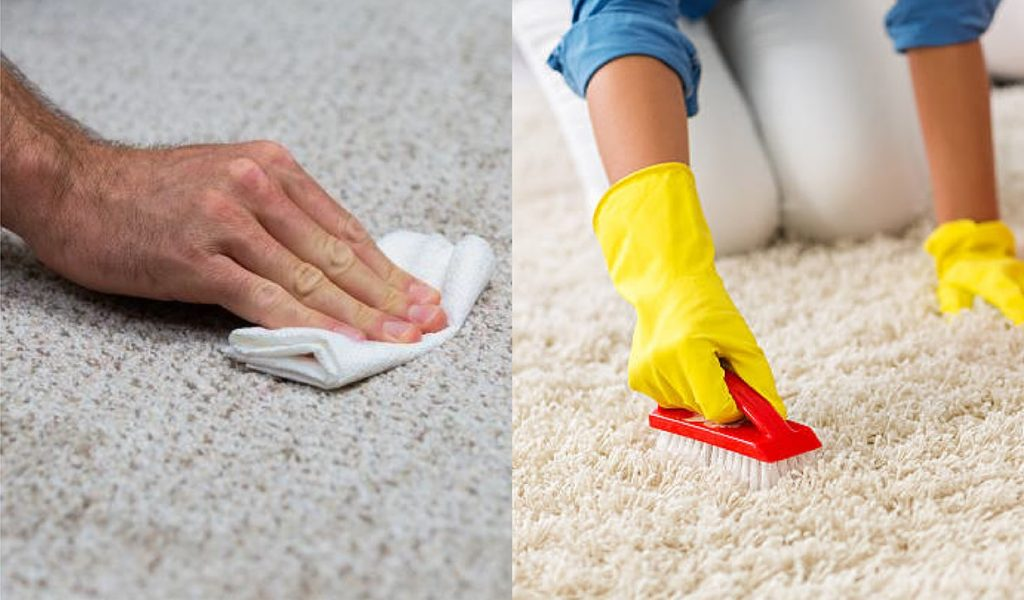
Stains must be treated individually before you clean the whole sofa, not left until the general clean and hoped to disappear. Apply a small amount of upholstery cleaner or your chosen stain treatment to a white cloth. Blot the stain from the outside edge inward, never rub, and never scrub. Rubbing spreads the stain outward and pushes it deeper into the fabric.
Work slowly, re-applying to a clean section of the cloth each time. Give the treatment time to work 5 minutes of patient blotting beats 30 seconds of aggressive scrubbing every time.
Step 4: Clean the Full Fabric Surface
For a W-coded fabric sofa, work in sections. Lightly mist the fabric with a diluted upholstery shampoo solution or apply a small amount of cleaning foam. Using a clean microfibre cloth, work the solution gently into the fabric in small circular motions gently, not vigorously. Then blot with a dry clean cloth to lift the solution out. The aim is to clean the fabric without saturating it.
This is the part most people get wrong. Over wetting is a major problem: too much liquid soaks through to the foam padding underneath, causes the padding to smell as it dries, and in London’s typically smaller, less ventilated homes, can lead to mildew inside the sofa that you cannot see but can definitely smell.
Step 5: Allow to Dry Properly
Open windows to improve air circulation. Place a fan pointing at the sofa if possible. Do not sit on the sofa until it is completely dry sitting on wet upholstered fabric compresses it and pushes moisture deeper. A well ventilated room dries a properly cleaned fabric sofa in 2–4 hours. A damp, closed room can take much longer and the smell during that time is unpleasant.
Pro tip: After the sofa has dried fully, run the vacuum over it one more time with the upholstery attachment. This lifts the fabric pile back up evenly, removes any dried cleaning residue, and gives the fabric a uniform finish that looks much better than leaving it flat after cleaning.
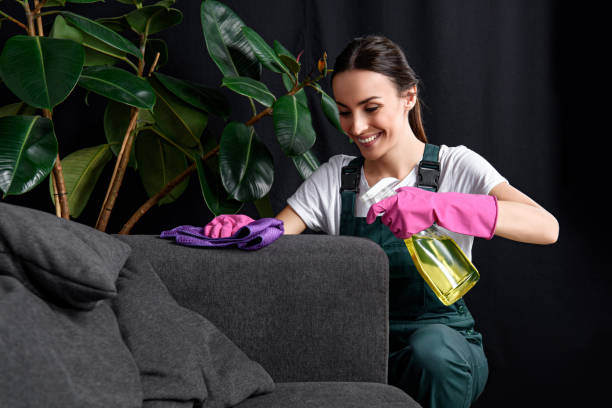
How to Remove Stains From a Sofa: The Stain by Stain Guide
Different stains need different approaches. Using the wrong treatment on the wrong stain can set it permanently. Here is the method for the most common stains on fabric and cloth sofas in London homes.
| Stain Type | First Response | Treatment Method |
| Red wine | Blot immediately do not rub | Cold water blot, then bicarbonate paste, then upholstery cleaner |
| Coffee or tea | Blot excess while wet | Cold water, then diluted white vinegar solution, blot dry |
| Pet urine | Blot all excess immediately | Enzyme based cleaner (breaks down uric acid) essential for odour |
| Grease or oil | Sprinkle bicarbonate on dry stain first | Leave 15 min, vacuum off, then solvent based spot cleaner |
| Ink | Do not wet act fast | Isopropyl alcohol on a white cloth, blot from outside in |
| Vomit | Remove solids carefully first | Cold water blot, enzyme cleaner, then deodorise with bicarbonate |
| Blood | Cold water only never hot | Cold water blot hot water permanently sets blood stains |
| Chocolate | Let it dry fully first | Scrape off dry residue, then cold water and upholstery cleaner |
The golden rule for every stain: act fast and blot, never rub. The longer a stain sits, the deeper it penetrates and the harder it becomes to remove without professional help.
How to Clean a Sofa by Hand Without a Machine
Not everyone has access to an upholstery cleaning machine, and for lighter maintenance or specific spot cleaning, cleaning a sofa by hand works well when done correctly.
Mix a small amount of upholstery shampoo with warm water in a bowl until you have a light foam. Use a barely damp cloth wrung out as much as possible to apply the foam to the fabric. You are cleaning with the foam, not the water underneath it. Work in small sections, 30–40cm at a time, blotting rather than rubbing.
Follow immediately with a clean dry cloth to absorb as much moisture as you can. The less water left in the fabric at the end, the faster the sofa dries and the lower the risk of watermarks or mildew. Patience and light application produce a far better result than speed and heavy wetting.
Cleaning by Sofa Fabric Type: What Works on Your Specific Material
Cotton and Linen Sofas
Natural fabrics like cotton and linen are prone to watermarks and can shrink if over wetted. Use a minimal amount of water based cleaner, applied sparingly. A dry cleaning solvent is often safer for these materials check your label carefully. Test in a hidden area first on any natural fibre sofa before treating a visible area.
Microfibre Sofas
Microfibre is one of the easiest fabric sofa types to clean and responds well to water based solutions or rubbing alcohol for tougher marks. Use a soft white cloth and gentle circular motions, then a dry brush to raise the fibre pile again after cleaning. Microfibre dries relatively quickly and does not watermark as easily as natural fabrics.
Velvet Sofas
Velvet is unforgiving. The pile flattens easily when wet and is difficult to restore to an even finish at home. Spot cleaning with a barely damp cloth is possible for fresh marks, but a full clean of a velvet sofa is almost always better left to a professional upholstery cleaning service the risk of permanent pile damage from DIY cleaning is high.
Chenille and Textured Weaves
Chenille and textured weave fabrics trap dirt deep in the structure of the weave. Vacuuming with a brush attachment regularly is essential maintenance. For stain removal, blot with minimum moisture and allow it to dry completely before assessing the result these fabrics can look worse when wet but improve as they dry.
Faux Leather and Fabric Mix
Many modern sofas combine fabric panels with faux leather or vinyl sections. These need different cleaning products on each material: a water based fabric cleaner on the cloth panels and a dedicated leather or vinyl cleaner on the faux leather sections. Using a fabric cleaner on the vinyl sections leaves residue; using a leather cleaner on fabric can damage it.
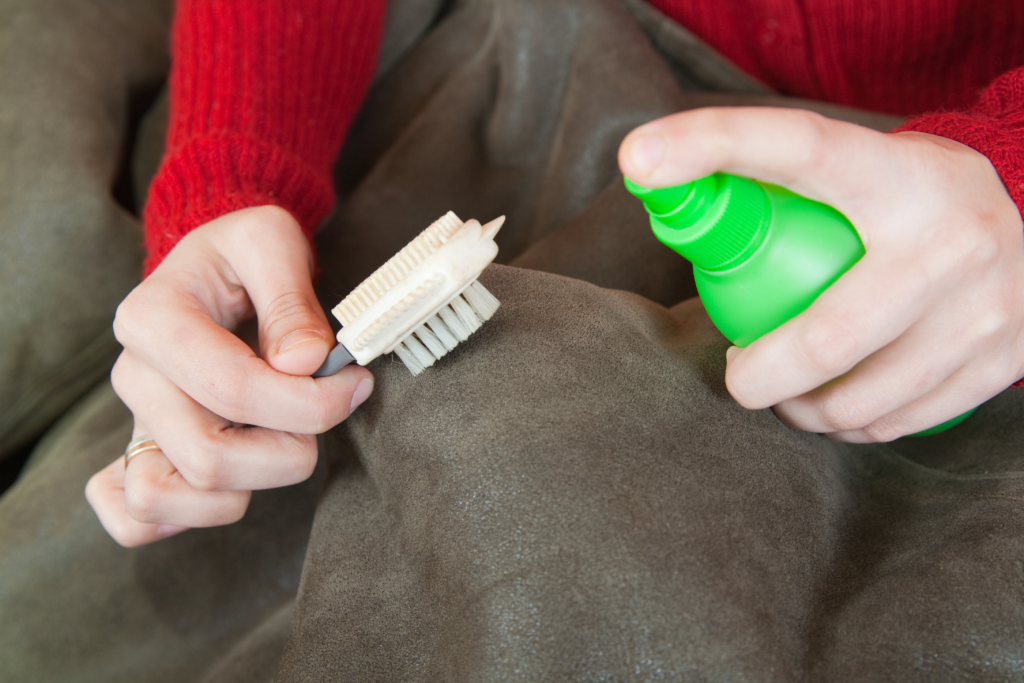
When Home Cleaning Is Not Enough The Signs You Need a Professional
Most fabric sofas benefit from professional deep cleaning at least once a year even if they are maintained regularly at home. There are certain situations where home methods simply cannot deliver the result you need, no matter how careful you are.
The stain has been there for months. Old stains that have dried and set into fabric fibres need higher temperature extraction and specific pre-treatment chemistry to be properly broken down. Home cleaning often lightens old stains rather than removing them.
The smell comes back within days. Persistent odour especially from pet accidents, smoke, or mildew means the contamination has penetrated the foam padding underneath the fabric. Surface cleaning cannot reach this. Professional upholstery cleaning services using hot water extraction get into the structure of the sofa, not just the surface.
Your sofa fabric is marked S or X. Solvent only or vacuum only fabrics need professional handling. Using water based products on an S-coded sofa risks permanent watermarking and fabric damage that cannot be undone.
You have tried and made it worse. Spreading a stain, watermarking a pale fabric, or flattening a velvet pile are all common results of well intentioned DIY cleaning. Professional technicians have the products and techniques to reverse these problems but the sooner they treat it, the better the outcome.
You want the full deep clean. Vacuuming, deodorising, and spot cleaning are maintenance. A true deep clean of furniture reaching the allergens, dust mites, and bacteria that live deep in the upholstery structure requires professional grade hot water extraction equipment. Our dedicated guide on deep cleaning your London home covers how professional upholstery cleaning fits into a comprehensive property deep clean.
Keeping Your Sofa Clean: Simple Habits That Make a Genuine Difference
The best way to keep a fabric sofa clean long term is less about big cleaning sessions and more about small consistent habits that prevent build up.
Vacuum your sofa with the upholstery attachment once a week same day as you vacuum the floor. This removes the loose dirt and pet hair before it works its way into the fibres. Bicarbonate of soda sprinkled lightly once a month and left for 30 minutes before vacuuming keeps odours from developing. Deal with any spill or stain within the first five minutes of it happening. The difference in outcome between treating a fresh spill and a dried one is enormous.
Rotate cushions regularly so they wear evenly and do not flatten in the same spots. Use arm covers on the armrests if the fabric is prone to soiling from daily contact. And book a professional deep clean at least once a year or twice a year for households with children, pets, or heavy daily use.
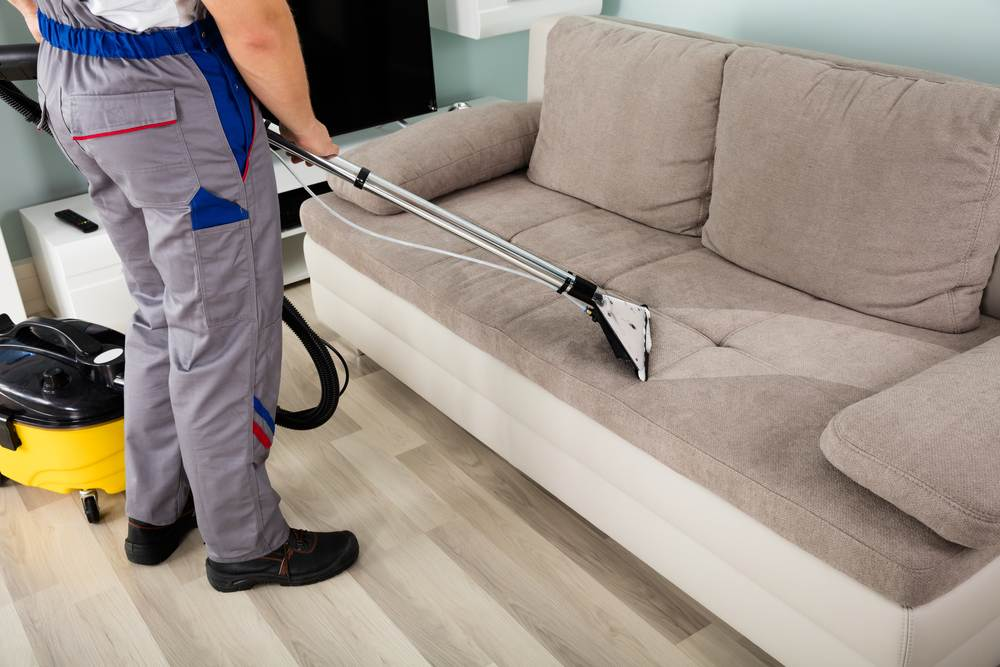
Professional Sofa and Upholstery Cleaning All London Boroughs Safa Cleaning Services cleans fabric, cloth, and material sofas to a professional standard using hot water extraction. Safe for your furniture, fast drying, and genuinely deep. Book your free London upholstery cleaning quote today →
Frequently Asked Questions
Q: What is the best way to clean a fabric sofa at home?
The best way to clean a fabric sofa at home is to vacuum thoroughly first with an upholstery attachment, deodorise with bicarbonate of soda left for 30 minutes, spot treat any stains by blotting from outside inward with the correct cleaner for your stain type, then gently clean the whole surface with a barely damp cloth and diluted upholstery shampoo working in small sections and blotting rather than rubbing. Always check the fabric cleaning code first.
Q: How do I clean a sofa by hand without a machine?
Mix a small amount of upholstery shampoo with warm water until foamy. Apply the foam not the water to the fabric with a barely damp cloth, working in small sections. Blot immediately with a dry clean cloth. Repeat section by section. The key is minimal moisture: the foam does the cleaning work, not the water. Follow with a dry vacuum once fully dried to raise the fabric pile.
Q: How do you remove stains from a sofa fabric?
Act immediately. Blot excess liquid rather than rubbing. Apply the correct treatment for the stain type enzyme cleaner for pet accidents, cold water for blood, bicarbonate paste for wine, isopropyl alcohol for ink. Always blot from the outer edge of the stain inward. Give products dwell time of at least 5 minutes. Rinse with minimal cold water, then blot dry. Old or set stains often need professional upholstery treatment to remove fully.
Q: What is the best way to clean a cloth or material sofa?
For cloth and material sofas, check the cleaning code first (W for water safe, S for solvent only). For W-coded sofas, vacuum thoroughly, deodorise with bicarbonate, spot treat stains, then clean the surface with diluted upholstery shampoo applied sparingly with a microfibre cloth. Blot rather than rub, use minimal liquid, and ventilate fully to dry. Avoid all purpose household sprays they leave residue that attracts dirt.
Q: How do I deep clean furniture at home?
A genuine deep clean of upholstered furniture involves removing and vacuuming all cushions, deodorising with bicarbonate of soda, spot treating stains, cleaning the fabric surface with the correct method for the fabric code, and allowing full drying with maximum ventilation. For a true deep clean that removes allergens and bacteria from the foam padding structure, professional hot water extraction is needed. Home methods address the surface but rarely reach inside the sofa.
Q: Can I clean my sofa with washing up liquid?
A very small amount of washing up liquid diluted in water can work for light spot cleaning in an emergency, but it is not recommended as a regular cleaning method. Washing up liquid leaves a soapy residue in the fabric that dries sticky, attracts more dirt faster, and can be difficult to rinse out fully. Dedicated upholstery shampoo or foam is always a better choice.
Q: How do I get a smell out of a fabric sofa?
Sprinkle bicarbonate of soda generously over the entire sofa surface. Leave for a minimum of 30 minutes up to an hour for persistent smells. Vacuum off thoroughly. This removes surface odours from fabric fibres. For deeper smells particularly pet urine, smoke, or mildew that has penetrated the foam padding underneath professional extraction cleaning is needed to treat the source, not just the surface.
Q: Is steam cleaning safe for fabric sofas?
Steam cleaning can be effective on W-coded fabric sofas, but excess heat and moisture carries risks for some fabrics particularly natural fibres like linen and cotton, which can shrink or watermark. Always check your sofa’s cleaning code before using any steam cleaner. Professional upholstery technicians adjust temperature and moisture carefully for each fabric type a key advantage over DIY steam cleaning at home.
Q: How often should I professionally clean my sofa?
For most London households, once a year is the minimum recommendation for a professional sofa deep clean. Households with children, pets, or allergies benefit from cleaning every six months. Regular vacuuming and monthly bicarbonate deodorising between professional cleans significantly extends the time the sofa stays fresh and reduces the depth of cleaning needed each visit.
Q: How do I book professional sofa cleaning in London?
Visit our professional upholstery cleaning services for full details. Safa Cleaning Services covers all London boroughs from studio flats in Hackney to family homes in Richmond with certified technicians, professional hot water extraction equipment, and transparent fixed pricing.
Your Sofa Tells a Story Make Sure It Is a Clean One
A sofa that looks and smells fresh is not just nicer to sit on. It is genuinely healthier to be around fewer allergens, fewer dust mites, and none of the bacteria that build up invisibly in upholstery over months of daily use.
The best way to clean a fabric sofa at home is consistent, patient, and product appropriate vacuum first, deodorise, treat stains individually, use minimal moisture, and dry fully. For the deep clean that home methods cannot reach, professional extraction makes a difference you will feel as well as see.
Safa Cleaning Services brings professional grade upholstery cleaning to every London borough, and we can combine it with a full carpet cleaning service for a complete room refresh in one visit. Or if you are cleaning as part of a move, our end of tenancy cleaning service includes upholstery as part of a thorough, whole property clean.