You sit down on your sofa after a long day and something feels different. The fabric looks duller than it used to. There is a pale, faintly white ish ring near the armrest, the kind that appeared after you wiped up a spill with a damp cloth. The cushion seams are darker than the rest. And there is a smell you notice now when you come in from outside.
All of this is completely normal for a London sofa that has seen daily use. And all of it can be fixed if you use the right method for your specific fabric and the right approach for each problem.
This covers exactly that. You will learn how to clean sofa fabric properly at home, how to deep clean a sofa step by step, and crucially for anyone in London, how to remove hard water scales from upholstery. Water scale marks on sofas are a problem that is almost unique to London homes, and almost no guide online addresses it properly.
Safa Cleaning Services is based at 124 City Road, London EC1V 2NX and provides professional sofa and upholstery cleaning across every London borough. This is what we see in London homes every day and this guide tells you exactly how to handle it.
300–400 mg/l London’s average water hardness, the highest in the UK, causing white scale marks on sofa fabric when wet cleaned incorrectly
72 hrs how long it takes for a damp sofa to develop mildew underneath especially in London’s smaller, less ventilated flats
90% of sofa fabric stains made permanently worse by incorrect DIY treatment most commonly by rubbing, using hot water, or wrong products
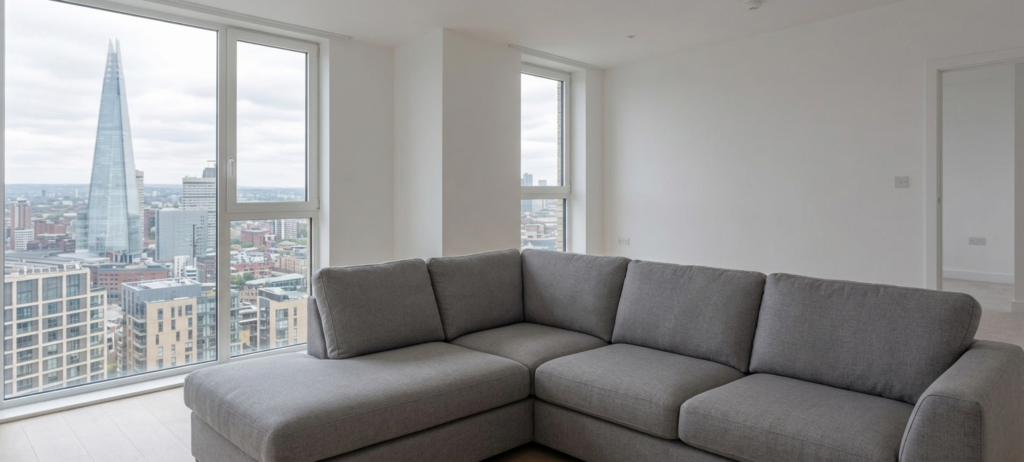
The London Problem Nobody Talks About: Hard Water Marks on Sofa Fabric
Before we get into how to clean your sofa, there is one thing that makes cleaning sofas in London genuinely different from anywhere else in the UK and most online guides completely miss it.
London has the hardest tap water in the country. When you clean a sofa with tap water even with a well intentioned cleaning spray or damp cloth the water carries dissolved calcium and magnesium minerals into the fabric. As the water evaporates, those minerals stay behind. The result is a pale, slightly stiff ring or patch on the fabric surface even though you only tried to clean the sofa.
This is called a hard water scale or a water mark and it is one of the most common sofa problems we see at Safa Cleaning Services. People try to clean their sofa, make a water mark, then try to clean the water mark with more water, and end up with a larger ring. Then they call us.
The solution is not to avoid using water on your sofa. It is to use the right amount of water, in the right way, and finish correctly which is exactly what this guide shows you how to do.
London specific tip: Whenever you clean sofa fabric in London, always finish by blotting the area dry as completely as possible, never leave it to air dry on its own. Evaporating tap water leaves scale behind. The more you remove physically by blotting, the less mineral residue remains in the fabric.
Before You Start: Check Your Sofa’s Cleaning Code
The single most important step before you touch your sofa with any product is to find the cleaning label usually under a removable cushion or on the underside of the seat base. The code on this label tells you exactly what is safe to use.
| Code | Meaning | What to Use |
| W | Water safe | Water based upholstery cleaner or foam |
| S | Solvent only no water | Dry cleaning solvent only water causes permanent marks |
| WS or SW | Water or solvent safe | Most cleaning methods work here |
| X | Vacuum only | No liquids at all professional cleaning only |
If your sofa is coded S or X, do not use water on it. A water mark on an S-coded fabric is very difficult to fully reverse, even professionally. If you are not sure of your fabric code, contact Safa Cleaning Services before attempting any home cleaning our team can advise based on your sofa type and fabric description.
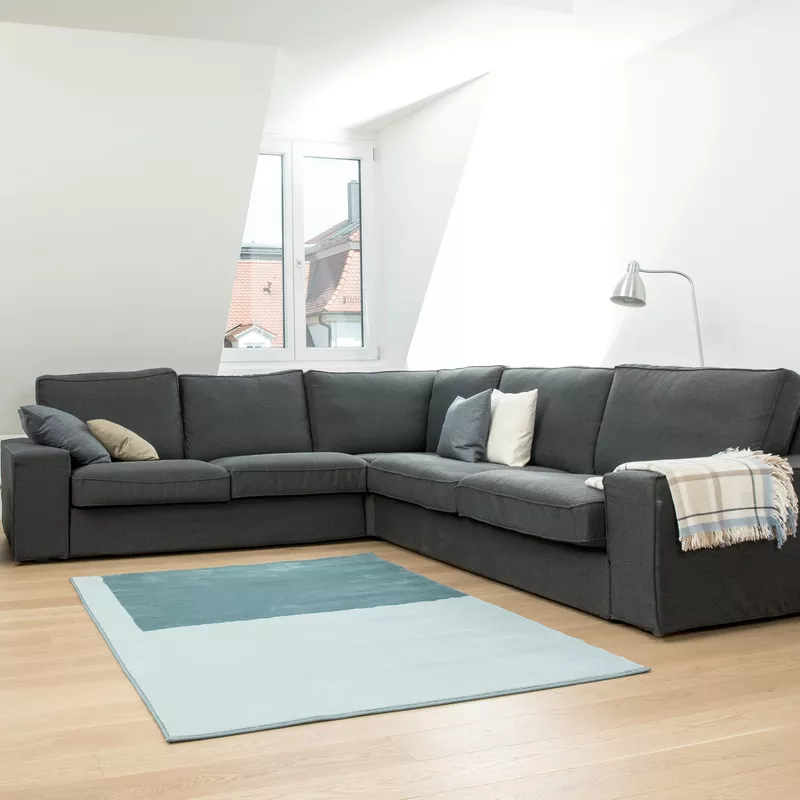
How to Clean Sofa Fabric at Home: Step by Step
This method works for W-coded fabric and cloth sofas, the most common type in London homes. Follow each step in order for the best result.
Step 1: Vacuum Thoroughly First
Remove all cushions. Vacuum every surface, the seat base, back panels, armrests, and all sides of every cushion. Use the upholstery attachment and go over each area slowly. Use the narrow crevice nozzle in every gap and seam.
This step is not optional. Loose dust, pet hair, crumbs, and surface debris must come out before any liquid is applied. If these stay in the fabric, they become embedded mud the moment water touches them making the sofa harder to clean, not easier.
Step 2: Deodorise With Bicarbonate of Soda
Sprinkle a light, even layer of bicarbonate of soda across the entire sofa surface. Leave it for 30 minutes minimum an hour is better for any sofa with a persistent smell. The bicarbonate absorbs odours from deep in the fabric fibres, not just from the surface.
Vacuum off every trace of the bicarbonate thoroughly. This step alone makes a visible and noticeable difference in how the sofa smells, and it is safe for every fabric type, including children’s furniture and homes with pets.
Step 3: Prepare Your Cleaning Solution Correctly
For W-coded sofas, use a small amount of upholstery shampoo or specialist fabric cleaner diluted in warm water not hot. Hot water can shrink fabric fibres, distort the weave, and set certain stains permanently.
In London, always use the smallest amount of water you practically can. A light cleaning foam is preferable to a liquid solution precisely because it puts less water into the fabric. Less water in the fabric means less mineral residue left behind when it dries.
Step 4: Test on a Hidden Area First
Apply a small amount of your chosen cleaner to the back lower corner of the sofa somewhere invisible. Wait five minutes and check for colour change, fabric distortion, or water marking. If the test area looks normal after drying, the product is safe to use on the rest of the sofa.
Skip this step and you risk permanent fabric damage on a visible area. Every sofa fabric reacts slightly differently even within the same code category. Testing takes two minutes and protects your sofa.
Step 5: Clean in Small Sections, Blotting Not Rubbing
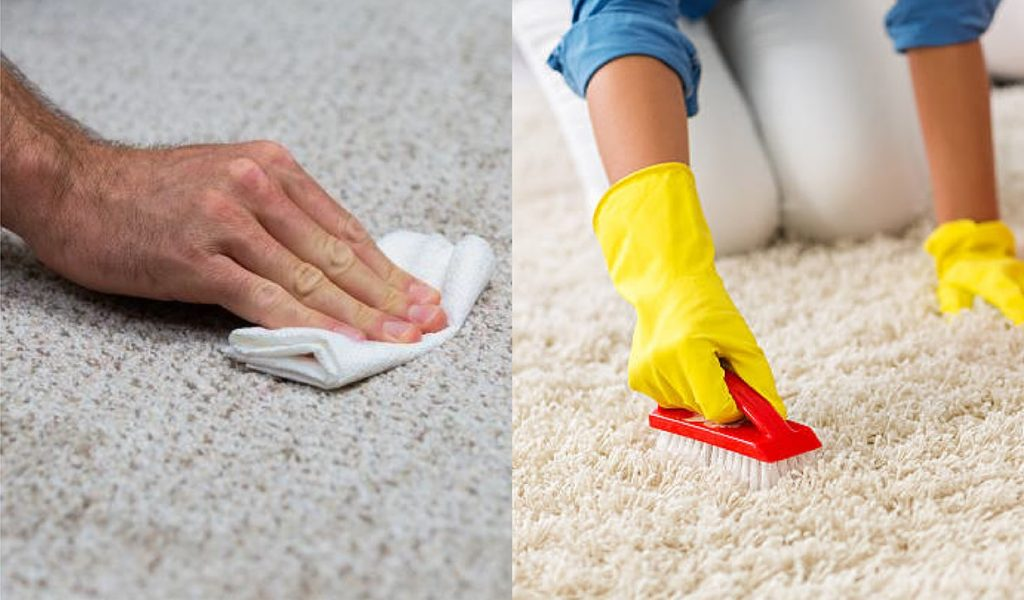
Work in sections of roughly 30cm at a time. Apply a small amount of cleaning foam or solution to a white microfibre cloth never directly onto the sofa fabric, as direct application over wets the fabric locally. Work the cloth gently in small circular motions.
Immediately follow with a dry clean white cloth, pressing firmly to absorb as much moisture as possible. Never rub rubbing spreads the contamination outward, damages fabric fibres, and makes water marks larger, not smaller. Press, hold, and lift.
Step 6: Dry Correctly the Most Important Step in London
Open every window in the room. Place a fan pointing at the sofa if possible. The faster the sofa dries, the less mineral residue London’s hard water leaves behind in the fabric.
Do not sit on the sofa until it is completely dry. Sitting on damp upholstery compresses the wet fibres and drives moisture deeper into the padding, extending drying time and increasing mildew risk. Wait until the fabric feels fully dry to the touch before using the sofa again.
Critical for London homes: After your sofa has dried completely, inspect it in good light for any pale rings or water marks. If they are visible, treat them immediately with the hard water scale method below before they set fully into the fabric.
How to Remove Hard Water Scale and Water Marks From Sofa Fabric
This is the section that makes this guide different from every other sofa cleaning article you will find online. Water scale marks on sofa fabric are a London specific problem and removing them requires a different approach from standard stain removal.
Hard water scale on fabric is calcium carbonate, the same mineral that builds up as limescale on your taps and shower screen. On fabric, it looks like a pale, slightly stiff ring or whitish patch. It feels faintly rough to the touch. And it spreads if you try to dilute it with more tap water.
What You Need
- White distilled vinegar or citric acid solution: both dissolve calcium carbonate chemically without damaging fabric fibres
- Clean white cloths: minimum two one for applying the solution, one for blotting dry
- A small spray bottle: for controlled, minimal application
- A fan or open window: faster drying means less secondary scale from the treatment itself
The Method
Mix one part white distilled vinegar with two parts distilled water not tap water. Using distilled water for the rinse is the key step most people miss. Tap water introduces more minerals. Distilled water adds none.
Lightly mist the scale mark with the vinegar solution. Do not soak the area a fine mist is enough. Leave for three to five minutes. The mild acidity dissolves the calcium carbonate in the fabric fibres.
Blot with a dry white cloth pressing firmly, not rubbing. Repeat the application once more if the mark is still visible. Finish by blotting with a cloth very lightly dampened with distilled water to remove the vinegar residue, then immediately blot completely dry.
Dry with maximum ventilation. When fully dry, the water scale mark should be significantly reduced or completely gone. For severe or long standing water marks, a second treatment after the fabric has fully dried often produces a much better result than treating the same area repeatedly while still wet.
Prevention tip: After any home cleaning of your sofa, always finish by lightly blotting the entire cleaned area with a barely damp cloth wrung with distilled water not tap water then dry immediately. This simple habit removes the dissolved minerals before they can settle back into the fabric as the water evaporates.
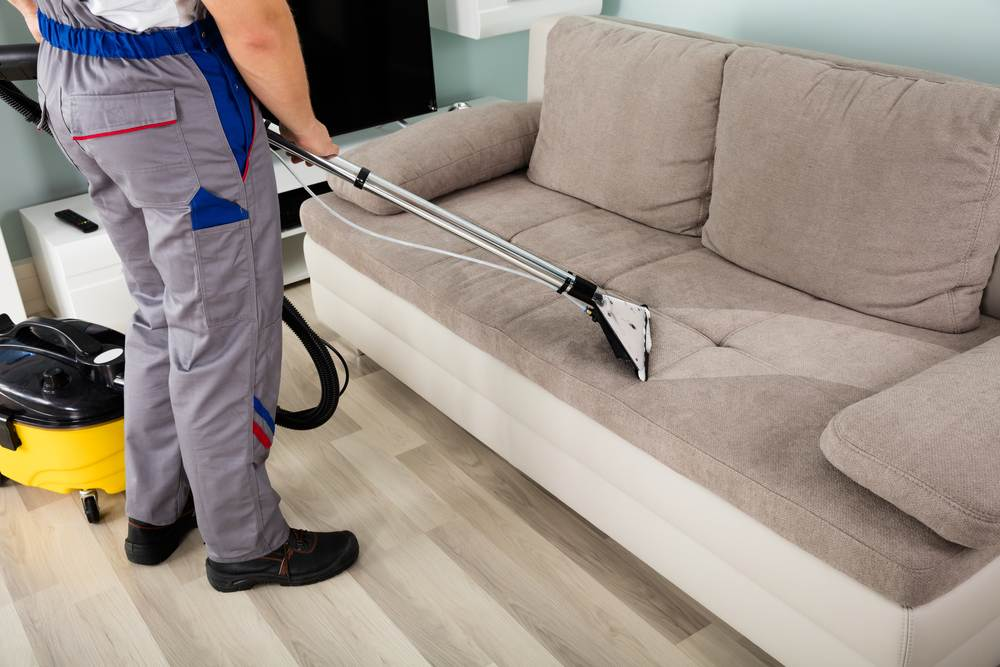
How to Deep Clean a Sofa at Home Going Beyond the Surface
A surface clean refreshes your sofa’s appearance. A deep clean goes into the fabric fibres and the cushion foam to remove what a surface clean cannot reach: accumulated allergens, dust mite colonies, pet dander, and the bacteria that develop over months of daily use.
A genuine sofa deep clean at home involves:
- Full vacuum with upholstery attachment and crevice tool: every surface, every seam, every gap
- Bicarbonate soda treatment: 60 minutes minimum for deep odour removal
- Stain pre treatment: each stain treated individually with the right product before the full clean
- Full fabric clean in sections: worked systematically across every panel, cushion, and armrest
- Minimum moisture application: especially important in London to prevent water scale and mildew
- Maximum ventilation drying: fan assisted, windows open, sofa not used until completely dry
The honest truth is that a true deep clean one that removes allergens and bacteria from inside the foam padding structure, not just from the fabric surface requires professional hot water extraction equipment. Home methods reach the fabric well. They rarely reach deep enough into the cushion structure to address what builds up there over a year or more of daily use.
Our guide on how often you should get your sofa professionally cleaned in London explains the recommended cleaning frequency for different household types and sofa use patterns and the genuine difference between maintenance cleaning and a professional deep clean.
Removing Common Sofa Stains What Works and What Makes It Worse
| Stain | Immediate Action | Treatment | Critical Mistake to Avoid |
| Tea or coffee | Blot immediately, do not rub | Cold water blot, then diluted white vinegar | Using hot water sets the tannin permanently |
| Red wine | Blot all excess at once | Bicarbonate of soda paste, then cold water blot | Rubbing spreads the stain outward rapidly |
| Pet urine | Absorb all moisture first | Enzyme based cleaner essential for odour | Using bleach damages fibres and spreads the stain |
| Grease or oil | Sprinkle bicarbonate on dry stain | Leave 20 mins, vacuum, then upholstery cleaner | Adding water to a fresh oil stain spreads it |
| Water mark (scale) | Leave to dry completely first | Distilled vinegar solution, blot, distilled water rinse | Adding more tap water worsens the mineral deposit |
| Ink | Act immediately | Isopropyl alcohol on white cloth, blot only | Rubbing spreads the ink into surrounding fabric |
| Blood | Cold water only | Cold water blot repeatedly never hot | Using hot water sets blood stain permanently |
| Vomit | Remove solids carefully | Cold water, then enzyme cleaner, then bicarbonate | Scrubbing the area while wet |
When Home Cleaning Is Not Enough: Signs You Need a Professional in London
Home sofa cleaning is effective for regular maintenance and for dealing with fresh stains quickly. But there are clear signs that professional help will deliver a result you cannot achieve at home, no matter how careful you are.
The water mark will not come out. Old, set water scale marks that have been repeatedly treated with tap water can embed deeply into fabric fibres. A professional extraction clean using distilled water and calibrated drying removes what repeated home treatment cannot.
The smell keeps coming back. Persistent odour particularly from pet accidents, mildew, or smoke means contamination has reached the foam padding underneath the fabric. Surface treatment does not reach this. Professional hot water extraction does.
The fabric is delicate, velvet, or S-coded. These fabrics are not safe to clean at home with water. Professional upholstery technicians have the right dry clean solvents and methods for these materials.
The sofa has not been deeply cleaned in over a year. By this point, allergens, dust mites, and bacteria inside the cushion structure are at a level that home cleaning cannot fully address. A professional service resets the sofa to a hygienically clean state.
Safa Cleaning Services provides specialist sofa cleaning services across London from our base at 124 City Road, London EC1V 2NX covering Islington, the City, Hackney, Shoreditch, Camden, Southwark, Lambeth, Westminster, Kensington, Tower Hamlets, and every other London borough. We also provide professional deep cleaning for the full sofa and fabric cleaning process when a single visit needs to cover everything.
Professional Sofa Cleaning in London Hard Water Scale Specialists Safa Cleaning Services | 124 City Road, London EC1V 2NX | All London Boroughs Covered | Same Day Available Book your free sofa cleaning quote today →
Frequently Asked Questions
Q: How do I clean sofa fabric at home without damaging it?
Check your sofa’s cleaning code label first usually found under a cushion. For W-coded fabric sofas, vacuum thoroughly, deodorise with bicarbonate of soda, spot treat stains individually, then clean the fabric surface with a small amount of upholstery foam applied with a white cloth. Blot rather than rub, use minimal water, and dry with maximum ventilation. In London especially, minimise tap water use to avoid hard water scale marks forming as the fabric dries.
Q: How do you remove hard water scale from sofa fabric?
Mix one part white distilled vinegar with two parts distilled water (not tap water). Mist lightly onto the scale mark and leave for three to five minutes. Blot with a dry white cloth do not rub. Follow with a light blot of distilled water to remove the vinegar residue, then blot completely dry with maximum ventilation. For severe marks, repeat after the fabric has dried fully rather than treating the same area repeatedly while wet.
Q: Why do I get white marks on my sofa after cleaning it in London?
These are hard water scale marks calcium and magnesium minerals left behind as London’s hard tap water evaporates from the fabric. London has water hardness of 300–400mg/l, the highest in the UK, which means mineral deposits form quickly whenever tap water dries in fabric. The solution is to minimise the amount of water left in the fabric and to finish with a distilled water rinse rather than allowing tap water residue to evaporate.
Q: How do you deep clean a sofa at home?
A deep clean involves: thorough vacuuming of every surface and seam, a 60-minute bicarbonate of soda deodorising treatment, individual stain pre-treatment, a full fabric clean in small sections using upholstery foam and minimal moisture, and fast drying with windows open and a fan. A true deep clean that reaches the foam padding structure underneath the fabric requires professional hot water extraction home methods are effective for the fabric surface.
Q: What is the best way to clean a fabric sofa at home?
Vacuum first and always. Deodorise with bicarbonate of soda before any liquid. Pre-treat stains individually. Use upholstery foam rather than liquid solution to minimise moisture. Work in small sections, blotting not rubbing. Dry fast with a fan. In London, finish with a distilled water blot rather than letting tap water residue dry in the fabric. This sequence produces the best result for W-coded fabric sofas and avoids the most common cleaning mistakes.
Q: How often should I clean my sofa professionally?
Once a year is the minimum recommendation for most London households. Homes with children, pets, or allergy sufferers benefit from professional cleaning every six months. Regular vacuuming and monthly bicarbonate deodorising between professional visits significantly extends how long the sofa stays fresh. Our guide on how often to clean your sofa in London gives detailed guidance by household type.
Q: Is it safe to clean a velvet or luxury fabric sofa at home?
Velvet, chenille, and luxury fabrics are high risk for home cleaning. Velvet pile flattens when wet and is extremely difficult to restore evenly at home. These fabrics and any sofa with an S cleaning code should be cleaned professionally using dry solvent methods rather than any water based home treatment. Attempting home cleaning on velvet frequently causes permanent pile damage that cannot be reversed.
Q: Can you remove pet urine smell from sofa fabric permanently?
Pet urine requires an enzyme based cleaner not standard soap, bleach, or vinegar. Enzyme cleaners break down the uric acid crystals that cause the odour at a molecular level. Without this specific chemistry, the smell returns as the fabric warms up. For urine that has penetrated the foam padding, professional hot water extraction with enzyme pre treatment is the only method that fully removes the odour at its source.
Q: What is the difference between cleaning and deep cleaning a sofa?
Cleaning addresses the fabric surface removing visible dirt, freshening appearance, and spot treating stains. Deep cleaning goes into the full fabric structure and cushion foam to remove allergens, dust mites, bacteria, and the organic matter that builds up inside the sofa over months of use. A surface clean can be done effectively at home. A genuine deep clean that reaches the cushion core requires professional extraction equipment.
Q: How do I book a professional sofa cleaning service in London?
Visit our sofa cleaning services London page or contact Safa Cleaning Services directly. We are based at 124 City Road, London EC1V 2NX and cover every London borough. We offer fixed pricing, same day availability where possible, and professional hard water scale treatment for London’s specific sofa cleaning challenges.
Clean Your Sofa the Right Way Especially in London
Cleaning a sofa at home is entirely achievable when you follow the right method for your fabric, use the right amount of water, and dry correctly. In London, that last point matters more than anywhere else in the UK because the hard water that comes out of every London tap leaves mineral deposits in fabric if it is allowed to evaporate rather than being physically blotted away.
The complete approach in this guide vacuum, deodorise, pre treat, clean gently, dry fast, and treat any water scale with distilled vinegar solution gives you a sofa that looks, feels, and smells genuinely fresh.
When the job needs professional depth, Safa Cleaning Services covers all of London from our base at 124 City Road, EC1V 2NX. Explore our professional sofa cleaning services or read more in our complete guide to the best ways to clean sofa fabric in London.