Removing limescale in London is a continuous challenge for homeowners and tenants due to the capital’s high concentration of hard water minerals. The most effective way to eliminate these stubborn deposits comes down to fundamental chemistry: using acidic solutions ranging from natural options like white vinegar and citric acid to commercial descaling agents to chemically break down and dissolve solid calcium deposits.
London consistently records some of the highest water hardness levels in the UK, which can be Remove Limescale London. Water supplied across London travels through dense chalk and limestone rock formations throughout the South East of England, absorbing large quantities of dissolved calcium and magnesium bicarbonates along the way. When this hard water is heated in kettles, boilers, and showerheads, or left to evaporate on surfaces, chemical precipitation occurs. The dissolved minerals revert into solid calcium carbonate, the stubborn, chalky crust known as limescale. Need Professional Help in London? Heavy calcification on the glass or moving out soon? Book our End of Tenancy Cleaning London or Residential Deep Cleaning team to handle tough limescale safely.
According to Thames Water hardness data, mineral levels in London typically range between 250 and 350 mg/L, classifying the supply as “very hard” (well above the 150 mg/L threshold). Understanding how do descalers remove limescale (a classic GCSE chemistry concept) helps explain why standard soaps fail: descalers trigger a neutralization reaction where the acid reacts with the insoluble metal carbonate, converting it into soluble calcium salts, carbon dioxide gas, and water that simply wash away.
Left untreated, hard water scale causes progressive structural and visual damage. It chokes water flow in taps and shower nozzles, insulates heating elements in kettles and boilers (drastically lowering energy efficiency), and permanently etches shower glass and ceramic tiles. For London renters, unaddressed limescale is also one of the leading causes of end-of-tenancy deposit deductions, making regular descaling an essential home maintenance task.ns at the end of a tenancy. Understanding how to remove limescale effectively and when to bring in professional help is genuinely useful knowledge for anyone living in the capital.
Signs Your London Home Has a Hard Water Problem
Before you start tackling limescale, it helps to understand exactly where it tends to appear and what the various signs of hard water damage look like. In London homes, hard water affects virtually every water contact surface, but some locations are hit significantly harder than others.
Taps and Showerheads
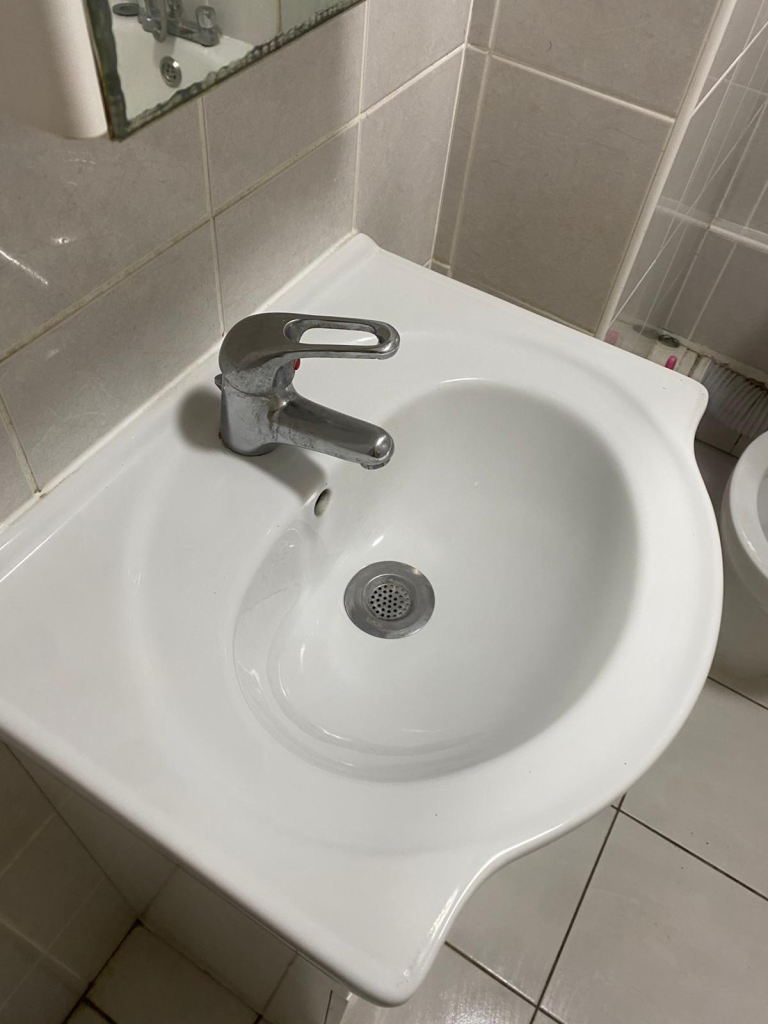
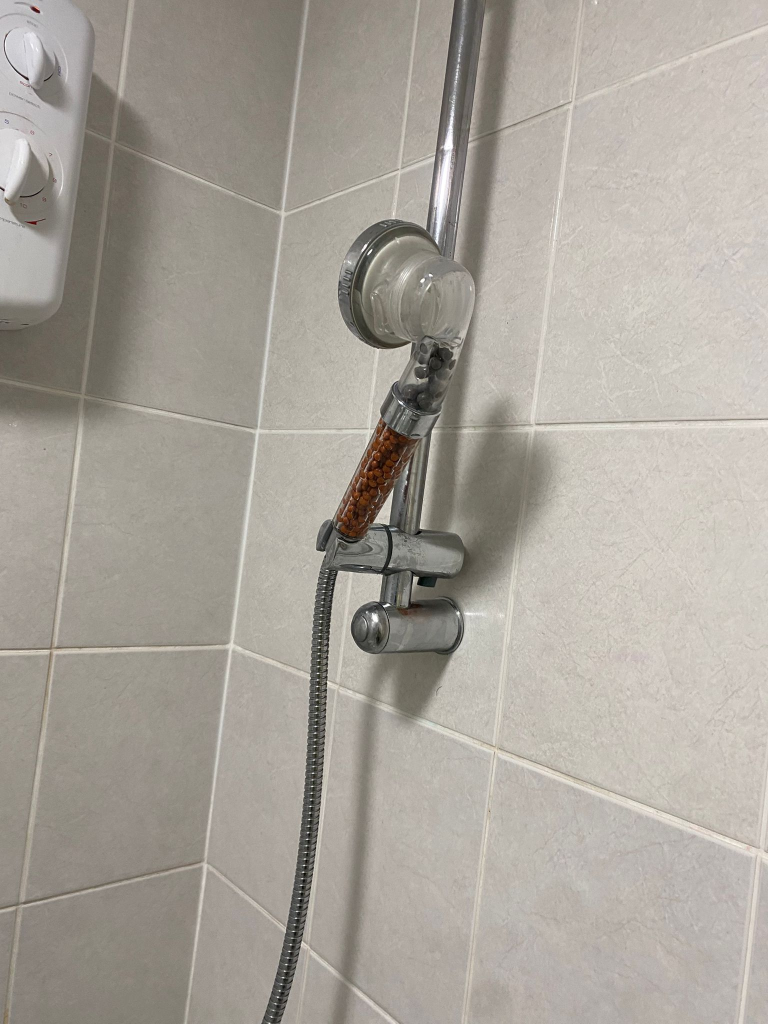
Taps are usually the first place Londoners notice limescale building up. The white or grey chalky crust that forms around the base of taps, around the spout, and inside the aerator mesh at the tap’s tip is classic calcium carbonate build up. Showerheads develop similar deposits inside the nozzle holes, which gradually block the flow and cause uneven, reduced water pressure. If your shower is not hitting you with the same force it once did, limescale blocked nozzles are almost certainly the cause.
Shower Glass and Tiles
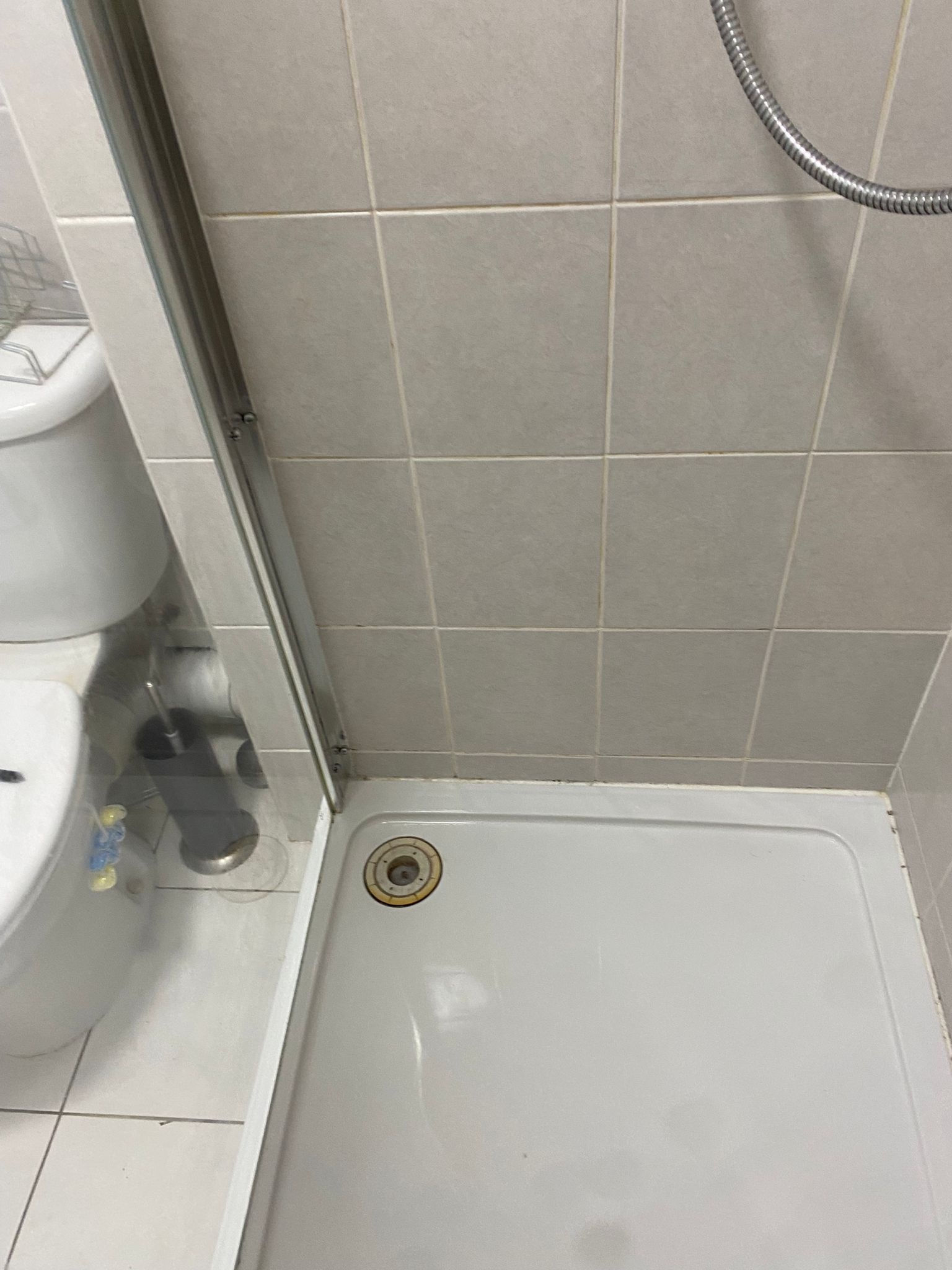
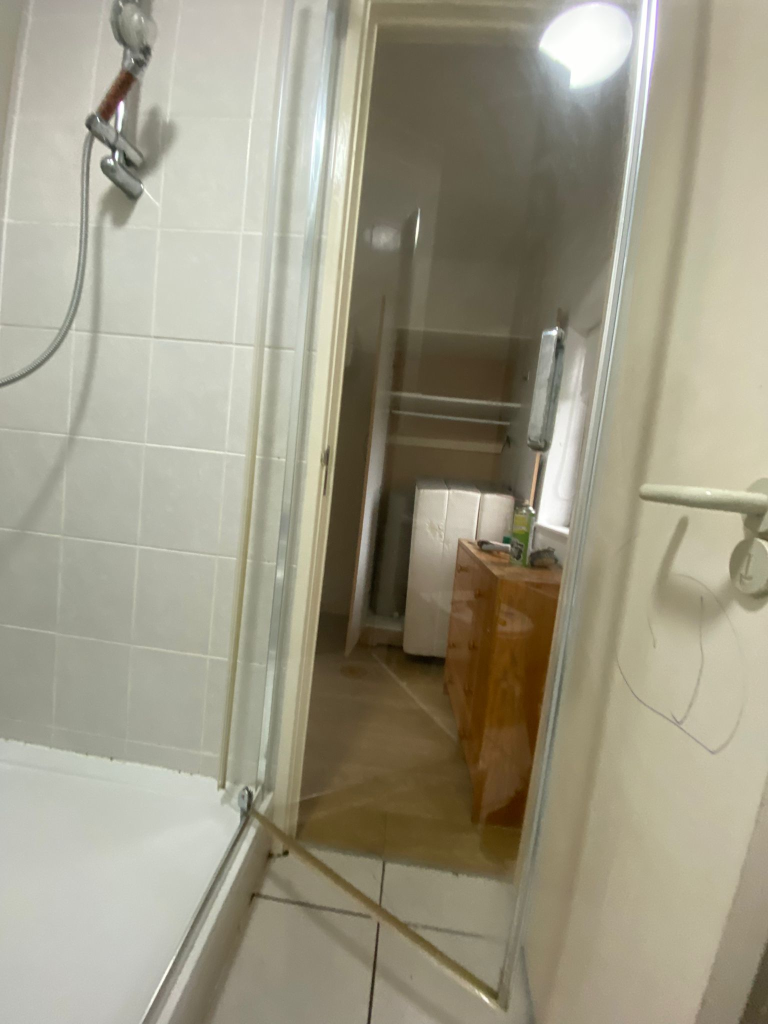
Shower enclosures are one of the most visually obvious casualties of London’s hard water. Every time water hits the glass and evaporates, a thin film of mineral residue is left behind. Over weeks and months, this builds into a cloudy, milky layer of hard water staining that regular glass cleaner simply cannot shift. London shower glass that has not been treated with a limescale specific product can develop permanent etching over time, where the minerals have actually penetrated the surface of the glass rather than simply sitting on top of it.
Bathroom Taps, Basin, and Bath
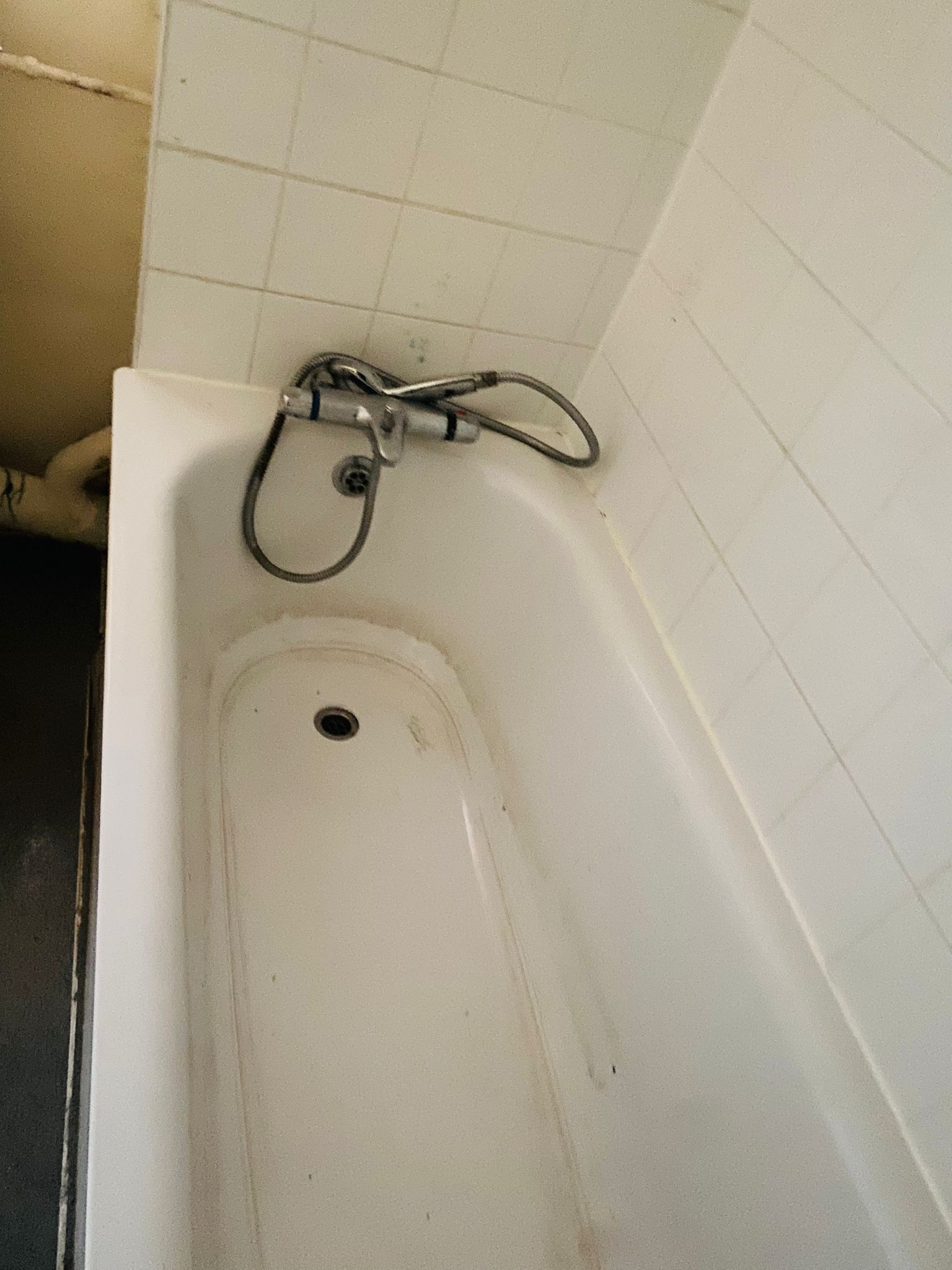
The area around the base of taps where they meet the ceramic basin or bath is a classic limescale trap. Water pools here, evaporates, and leaves minerals behind repeatedly, building up into thick, discoloured deposits that are often the hardest in the whole bathroom to remove because they have been accumulating for the longest. Grout lines in tiled bathrooms are similarly affected, with limescale filling in the texture of grout and turning it white or greyish.
Kettles and Kitchen Appliances
In the kitchen, the kettle is ground zero for limescale in London homes. Hard water that is repeatedly boiled leaves behind progressively thicker flakes of calcium carbonate on the heating element and on the interior walls of the kettle. Beyond the aesthetic issue, this has a genuine performance impact: the limescale on the heating element acts as an insulator, meaning the kettle has to work harder and use more energy to heat the water. Over time, heavy limescale build up can permanently damage the element and significantly shorten the kettle’s lifespan. Kitchen sink taps, around the base of mixer taps, and on chrome kitchen fittings are also heavily affected.
Washing Machine and Dishwasher Drums
Appliances that use hot water are particularly vulnerable to limescale damage. The heating elements in washing machines and dishwashers accumulate calcium deposits in the same way that a kettle does, reducing efficiency and increasing the risk of breakdown. Many of the repair call outs for washing machine problems in London are directly attributable to limescale build up that has been left untreated over months or years.
| IMPORTANT FOR LONDON RENTERS If you are renting a property in London, be aware that letting agents and landlords routinely check for limescale damage at the end of tenancy inspection. Severe hard water staining on taps, tiles, shower glass, and bathroom fittings can be cited as evidence of tenant neglect and used to justify deposit deductions. Keeping on top of limescale removal throughout your tenancy is both good housekeeping and financial self protection. See our complete guide to End of Tenancy Cleaning London for more information. |
Best Methods to Remove Limescale from Taps and Showerheads
Now that you understand what you are dealing with, let us get practical. The most effective methods for removing limescale from taps and showerheads in London homes fall into two broad categories: acidic dissolution and mechanical removal. Limescale is alkaline, which means it reacts with and dissolves in acidic solutions. Understanding this chemistry is the key to removing it effectively without damaging the surfaces underneath.
White Vinegar Method Best for Moderate Limescale
White vinegar is one of the most effective and readily available limescale removers for London homes, and it is completely safe to use on most tap and showerhead surfaces including chrome, stainless steel, and ceramic. The acetic acid in white vinegar reacts with calcium carbonate and breaks it down into water soluble compounds that can be wiped or rinsed away.
For taps, the most effective application method is to soak a cloth or paper towel in undiluted white vinegar, wrap it around the affected tap, and secure it with a rubber band or a freezer bag tied in place. Leave this in contact with the limescale for a minimum of one hour for heavy deposits, several hours or even overnight will produce significantly better results. When you remove the cloth, the limescale should be soft and can be scrubbed away with a non scratch pad and an old toothbrush for the crevices. Rinse thoroughly and dry with a cloth to prevent new water marks.
For showerheads, the easiest approach is to fill a plastic bag with undiluted white vinegar, submerge the showerhead in it, and secure the bag around the neck of the showerhead with an elastic band so the nozzle face is fully immersed. Leave overnight. In the morning, remove the bag and run the shower on hot for a minute to flush out any loosened debris. The nozzle holes should be clear and water flow restored.
Citric Acid More Powerful for Heavy London Limescale
For heavier limescale deposits which are common in London homes that have not been treated for some time citric acid solution is significantly more effective than white vinegar. Citric acid is available cheaply in powder form from most supermarkets and online. Dissolve two tablespoons of citric acid powder in half a litre of warm water and apply using the same soaking method described for vinegar. The higher acid concentration works faster and more thoroughly on thick, hardened deposits.
Citric acid is also the recommended treatment for badly scaled showerheads and taps where vinegar alone is not producing a satisfactory result after a first treatment. It is safe on chrome and stainless steel but should be tested on brass fittings first, as prolonged exposure to strong acids can affect the lacquer on decorative brass.
Commercial Limescale Removers
Products like Cillit Bang Limescale, Harpic Power Plus, and HG Calcium Remover are specifically formulated for bathroom limescale removal and are widely available in London supermarkets and hardware stores. These products contain stronger acids than household vinegar and are designed to work quickly on heavy deposits. They are effective, but they should always be used with adequate ventilation, protective gloves, and in strict accordance with the manufacturer’s instructions. Never mix commercial limescale removers with bleach or other cleaning products, as this can produce dangerous chemical reactions. Oven Cleaning London
Removing Limescale from Showerhead Nozzles
If the nozzle holes on your showerhead are partially or fully blocked by limescale, and the soaking method has not fully restored flow, the individual nozzle rubbers can often be manually cleaned. Many modern showerheads have flexible rubber nozzles that you can massage or rub with your finger to dislodge calcified deposits. Use a toothpick or a pin carefully to clear any remaining blockages in the nozzle holes. After mechanical cleaning, follow up with a vinegar or citric acid soak to dissolve any residual mineral deposits.
How to Clean Limescale from Shower Glass in London
Shower glass limescale removal is one of the most requested tasks in our professional bathroom limescale cleaning work in London, and it is easy to understand why. London shower glass that has been exposed to hard water for months or years develops a stubbornly adherent mineral film that ordinary bathroom cleaners cannot touch, and the temptation is to scrub harder and harder with increasingly abrasive tools which is exactly the wrong approach, as it risks scratching the glass permanently.
The key to cleaning limescale from shower glass is extended dwell time with an appropriate acid, combined with gentle mechanical action. Here is the method that produces the best results for London shower glass.
Start by applying undiluted white vinegar or a citric acid solution directly to the glass surface using a spray bottle. Cover the entire glass surface thoroughly, paying particular attention to the lower sections where water tends to pool and mineral deposits are most concentrated. Do not wipe it off immediately allow it to sit on the glass for at least 15 to 20 minutes. For older, heavier deposits, 30 to 45 minutes will produce better results.
After the dwell time, use a non scratch microfibre cloth to wipe the glass in circular motions. You should see the cloudy mineral film beginning to clear. For stubborn patches, apply more vinegar and allow another dwell period before wiping again. Once the limescale has been removed, rinse the glass thoroughly with clean water and dry immediately with a clean squeegee followed by a dry microfibre cloth. Drying the glass after every shower is the single most effective way to prevent limescale from re forming.
For shower glass that has developed permanent etching where the surface feels rough to the touch even after cleaning and the cloudiness does not clear with acid treatment the situation is more serious. At this stage, the calcium carbonate has chemically bonded with the glass surface rather than simply depositing on top of it. This can sometimes be improved with commercial glass polishing compounds, but in severe cases the glass may need professional assessment or replacement. This is one of the situations where addressing hard water staining in London homes promptly, rather than leaving it to accumulate, makes a significant practical and financial difference.
| PRO TIP Prevention Is Easier Than CureApply a thin coat of car wax or a dedicated shower glass protector (such as Rain-X) to clean, dry shower glass every few months. This creates a hydrophobic barrier that causes water to bead and run off the glass rather than evaporating on the surface, dramatically reducing the rate at which limescale re forms. This is one of the most effective long term strategies for London households dealing with hard water shower glass. |
Kitchen Limescale: Kettles, Sinks, and Taps
How to Descale a Kettle
Descaling your kettle regularly is one of the simplest and most impactful maintenance tasks for London households. A heavily scaled kettle is less energy efficient, takes longer to boil, and can shed flakes of limescale into your hot drinks. For a standard London home, the kettle should be descaled approximately once a month to prevent significant build up.
The most effective descaling method for kettles is to half fill the kettle with a solution of one tablespoon of citric acid powder dissolved in enough water to cover the element. Bring the solution to the boil, then switch the kettle off and allow it to soak for 30 minutes. The citric acid solution will dissolve the limescale from the heating element and the interior walls. After soaking, discard the solution, rinse the kettle thoroughly three times with fresh water, and boil a full kettle of clean water that you then discard before making your first drink. This ensures no residual citric acid remains.
White vinegar can also be used to descale a kettle using the same method, though the smell during boiling is more pungent. If using vinegar, ensure the kitchen is well ventilated during the process. Commercial descaling sachets, available from most London supermarkets, are a convenient pre measured alternative that works on the same acidic principle.
Kitchen Sink Limescale
Kitchen sinks in London homes particularly stainless steel sinks develop limescale deposits around the tap base, inside the overflow hole, and along the edge of the drainer. For stainless steel, white vinegar applied with a cloth and left for 20 to 30 minutes, followed by scrubbing with a non scratch pad and rinsing, is usually effective for regular maintenance cleaning. For older, thicker deposits, a commercial limescale remover gel that clings to vertical and curved surfaces will produce better results than a liquid.
For ceramic and composite sink surfaces, the same acidic approach applies, but always check the manufacturer’s guidance before applying commercial limescale removers to these materials, as some formulations can damage specialist finishes. SAFA Cleaning’s professional kitchen deep cleaning service includes thorough limescale removal from all sink and tap surfaces as standard see our complete guide to deep cleaning the kitchen in London for a full breakdown of what this covers.
Hard Water Stains on Kitchen Taps
Chrome kitchen taps are prone to limescale at the base where they meet the countertop, around the spout, and inside the aerator. The same vinegar or citric acid soaking method described for bathroom taps applies equally in the kitchen. After descaling, polishing the chrome with a few drops of baby oil on a soft cloth creates a thin protective layer that slows the re deposition of minerals. Replace the aerator mesh every six to twelve months in London homes, as these trap limescale and bacteria and are inexpensive to source.
Natural vs Professional Limescale Cleaning Which Is Right for You?
One of the most common questions we receive from London homeowners and renters is whether DIY limescale removal methods are sufficient, or whether there is genuine value in calling a professional cleaning service. The answer depends entirely on the severity and location of the limescale, how much time you have, and the standard of finish you want to achieve.
When DIY Methods Work Well
For regular, ongoing maintenance keeping on top of limescale that has been building for days or weeks rather than months DIY methods with white vinegar, citric acid, or good quality commercial descalers are entirely effective. If you are consistent about treating your taps, showerheads, and kettle every one to four weeks, you will generally keep limescale at manageable levels without ever needing professional intervention. The key is consistency: London’s hard water means that limescale will return within weeks of being removed, so a regular treatment habit is more important than any individual cleaning product.
When Professional Limescale Cleaning in London Is the Better Choice
Professional limescale cleaning becomes the better choice in a number of situations that are very common in London homes. If you are moving into a property where limescale has been allowed to accumulate for months or years as is often the case with older London properties or properties between tenancies the scale of the problem is usually beyond what DIY methods can address efficiently. Professional cleaners use commercial strength descaling products, specialist equipment, and techniques developed through extensive experience to remove limescale that would take a homeowner hours of repeated treatment to tackle.
End of tenancy cleaning is another scenario where professional limescale removal is essentially non negotiable if you want to recover your full deposit. Letting agents in London apply detailed checklists to end of tenancy inspections, and bathroom limescale removal is specifically called out as a tenant responsibility in most tenancy agreements. Our professional end of tenancy cleaning service in London includes comprehensive bathroom limescale removal from all surfaces as part of our standard package ensuring properties meet the standard required by letting agents and landlords.
For bathrooms with severe shower glass etching, grout that has been heavily discoloured by mineral deposits, or tap fittings where DIY products have not produced the required result after repeated treatment, professional cleaning with specialist equipment delivers results that home methods simply cannot match. SAFA Cleaning’s professional bathroom cleaning service covers all of these scenarios, using industry grade products and techniques that are not available to consumers.
There is also the straightforward matter of time. In a busy London life, spending two to three hours tackling a heavily scaled bathroom is a significant commitment. Many of our residential cleaning clients in London tell us that the decision to use a professional service was ultimately about reclaiming their weekend time rather than any inability to do the work themselves. Our flexible scheduling including same day and next day availability makes professional cleaning a practical and accessible option for London households at any point.
| 🏠 INTERNAL LINK RELATED READINGIf your bathroom limescale problem is part of a broader deep cleaning need, our comprehensive Residential Cleaning Services London page covers the full range of professional cleaning options available from SAFA Cleaning. For kitchens specifically, see our Deep Cleaning the Kitchen London Guide for step by step professional guidance on tackling grease, limescale, and built up grime throughout your kitchen. |
When to Call Professional Cleaners in London for Limescale
Knowing exactly when a limescale problem has moved beyond practical DIY territory is genuinely useful information for London households. There are a number of clear indicators that suggest professional intervention will save you time, effort, and potentially money in the long run.
The first indicator is persistence. If you have treated the same area with vinegar or a commercial descaler two or more times and the limescale keeps returning to a heavy level within a very short period, or if each treatment is only partially effective, the deposits have likely reached a density and adhesion level that requires professional grade products to shift properly. There is a point at which domestic cleaning products, regardless of the effort applied, cannot fully dissolve and remove the accumulated mineral layers.
The second indicator is etching or permanent discolouration. As described earlier, limescale left on surfaces for extended periods particularly on glass, chrome, and ceramic tiles can cause permanent damage. If surfaces feel rough to the touch in areas that should be smooth, or if the cloudiness on shower glass does not clear even after proper acid treatment, professional assessment is needed. Attempting to scrub etched surfaces harder risks compounding the damage.
The third indicator is an upcoming inspection or move. If you are approaching an end of tenancy inspection, hosting a property viewing, selling your home, or simply hosting guests and want your property to look its absolute best, professional limescale cleaning delivers a finish that DIY methods very rarely match. The difference between a bathroom that has been professionally cleaned and one that has been thoroughly DIY cleaned is usually visible to anyone who looks closely and letting agents and landlords always look closely.
SAFA Cleaning provides professional limescale cleaning as part of our residential cleaning services across London, including Islington, Shoreditch, Hackney, EC1V, and all surrounding London areas. Our cleaners arrive fully equipped with all necessary products and equipmentyou do not need to provide anything. We offer same day and next day booking, seven days a week, with competitive transparent pricing and a full satisfaction guarantee on every visit
If you found this guide useful, the following resources on the SAFA Cleaning website provide in depth practical guidance on related cleaning challenges that affect London homes:
Contact SAFA Cleaning Services Professional Limescale Cleaning Across London
SAFA Cleaning Services provides professional limescale cleaning, bathroom deep cleaning, end of tenancy cleaning, residential cleaning, and kitchen cleaning services across all London boroughs. Whether you are dealing with a heavily scaled bathroom that has built up over years, preparing for an end of tenancy inspection, or simply want the reassurance of a professionally cleaned home, our experienced, fully insured team is ready to help.
We serve EC1V, Islington, Shoreditch, Hackney, and all surrounding London areas, with same day and next day availability seven days a week. All equipment, products, and eco-friendly cleaning supplies are included you simply book, and we handle everything else. Contact us today for a no obligation quote.
📍 Address: 124 City Road, London EC1V 2NX, United Kingdom
📞 Phone: +44 7708 309825
📧 Email: admin@safacleaningservices.com
🌐 Contact Page: safacleaningservices.com/contact-us
Frequently Asked Questions (FAQ)
| Why is limescale such a big problem in London compared to other UK cities? London sits in one of the hardest water areas in the UK. The drinking water supplied by Thames Water travels through chalk and limestone rock formations in the South East of England, dissolving high concentrations of calcium and magnesium minerals along the way. London’s water typically measures 250 to 350 mg/L of hardness well into the ‘very hard’ category, compared to much softer water in cities like Manchester, Leeds, or Glasgow. This means limescale forms faster and more heavily in London homes, which is why bathroom limescale removal and regular descaling is such common maintenance requirements for London homeowners and renters. |
| What is the fastest way to remove limescale from a bathroom tap in London? The fastest effective method is to soak a cloth in undiluted white vinegar or a citric acid solution, wrap it around the tap so the limescale is in full contact with the acid, and secure it in place for at least one hour longer for heavy deposits. The acid dissolves the calcium carbonate and the loosened limescale can then be wiped and scrubbed away with a non scratch pad. For very thick or long standing limescale on London taps, a commercial limescale remover gel will work faster than vinegar. If repeated treatments are not producing a satisfactory result, SAFA Cleaning’s professional limescale cleaning service for London bathrooms will deliver a thorough result quickly and without risk of damaging your fittings. |
| How do I remove the cloudy hard water film from shower glass in my London home? The cloudy film on shower glass is a layer of calcium carbonate deposits left by London’s hard water. To remove it, spray undiluted white vinegar or a citric acid solution generously over the glass and leave it for 20 to 45 minutes before wiping with a non scratch microfibre cloth. Rinse and dry immediately. For very heavy or long standing mineral deposits, you may need to repeat the treatment two or three times. If the cloudiness does not clear with acid treatment and the glass feels rough to the touch, the calcium has etched into the glass surface at this point, professional cleaning with specialist glass polishing compounds is advisable. SAFA Cleaning provides professional bathroom limescale removal across London as part of its residential and deep cleaning services. |
| Will limescale damage affect my end of tenancy deposit in London? Ye this is a genuine risk. Letting agents and landlords in London routinely include limescale removal in their end of tenancy checklists, and properties returned with heavy limescale on taps, shower glass, tiles, and bathroom fittings can result in deposit deductions. Most tenancy agreements include a clause requiring the property to be returned in the same condition as when it was received, and limescale accumulation over a tenancy period is typically treated as tenant responsibility rather than fair wear and tear. Booking a professional end of tenancy cleaning service that includes bathroom limescale removal is the most reliable way to protect your deposit. SAFA Cleaning’s end of tenancy cleaning service covers comprehensive limescale removal as standard across all London properties. |
| How often should I clean limescale from taps and showers in a London home? Given London’s very hard water, a maintenance cleaning frequency of every two to four weeks is recommended for taps and showerheads to prevent significant build up. Shower glass benefits from being squeegeed and dried after every use, with an acid treatment monthly. Kettles in London homes should be descaled approximately once a month. The principle is that preventing heavy accumulation through regular light treatment is always easier and faster than tackling months of built up limescale in a single session. If you find you are unable to keep up with this maintenance, SAFA Cleaning’s regular residential cleaning services in London can include limescale treatment as part of a weekly or fortnightly visit. |
Staying Ahead of Limescale in London
Limescale is an unavoidable fact of life for anyone living in London. With some of the hardest water in the UK flowing through every tap, pipe, and appliance in the capital, calcium deposits will form whether you address them or not. The difference is whether you manage them consistently keeping them light and easy to remove or allow them to build until they become a structural and aesthetic problem that costs real time and money to fix.
The good news is that with the right products, the right methods, and a consistent routine, London limescale is entirely manageable at home. White vinegar, citric acid, and quality commercial descalers are all effective tools for regular maintenance cleaning. But when limescale has accumulated beyond what home methods can efficiently address, or when a property inspection is approaching and the standard of finish matters, professional limescale cleaning in London from SAFA Cleaning delivers results that restore your home to the standard it deserves.
We hope this guide has given you the knowledge and confidence to tackle hard water stains in your London home. If you would like professional help, whether for a one off deep bathroom clean, an end of tenancy clean, or regular residential cleaning that keeps limescale under control, ongoing SAFA Cleaning is here, with same day and next day availability and a satisfaction guarantee on every visit.