There is a difference between a tidy house and a truly deep cleaned house and most people have not experienced the latter as often as they should.
A weekly tidy and surface wipe keeps a home presentable. But the grime inside your oven, the dust behind your radiators, the limescale inside your shower head, the bacteria in your mattress seems none of that is touched by a quick clean. That is what a proper deep house clean is for.
This guide gives you the complete, room by room deep house cleaning checklist that professional cleaners in London use covering every surface, every hidden area, and every task that a standard clean misses. It also explains the method deep house clean approach: a systematic way of cleaning up a room from top to bottom that consistently produces a result far beyond what most people achieve on their own.
By the end of this guide, you will know exactly what a genuine deep clean involves, how to do it yourself, and when it makes more sense to bring in a professional deep cleaning service in London.
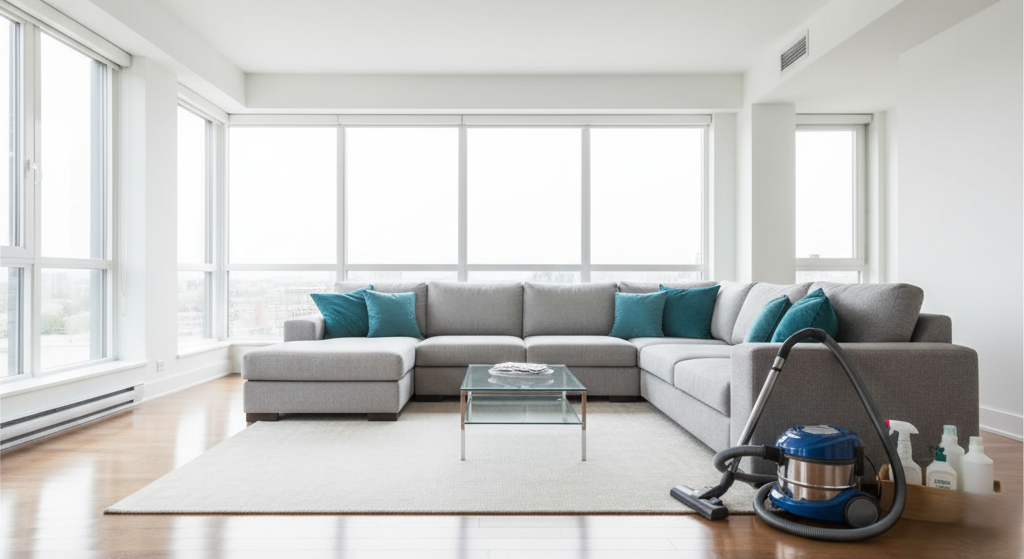
Deep Cleaning vs Regular Cleaning What Is the Actual Difference?
This is the question most guides do not answer honestly. Here is the clear distinction:
| Task | Regular Clean | Deep House Clean |
| Kitchen worktops | Wipe surface | Clean behind appliances, under items |
| Oven | Not usually touched | Full interior degreased |
| Fridge | Wipe exterior | Empty, clean all shelves and seals |
| Bathroom tiles | Surface wipe | Grout scrubbed, limescale removed |
| Shower head | Rinse | Soaked to remove internal limescale |
| Skirting boards | Dusted | Wiped with damp cloth, corners cleaned |
| Behind radiators | Not touched | Vacuumed and wiped |
| Windows | Not usually done | Inside glass, frames, and sills |
| Under furniture | Not usually moved | Moved and cleaned underneath |
| Mattress | Not touched | Vacuumed, deodorised |
| Light fittings and switches | Not touched | Dusted, wiped, sanitised |
A deep house clean typically takes 3–8 hours for a London home, depending on size and condition. It is not something most people need to do every week but done every 3–6 months, it transforms the hygiene, air quality, and feel of a property completely.
The Method Deep House Clean How to Approach It
Before you start cleaning up any room, the method matters as much as the effort. Professional cleaners follow a consistent system that makes every minute count and ensures nothing gets missed or re done.
The 4 Rules of the Method Deep House Clean: ① Always top to bottom dust falls downward, floors always last. ② Dry before wet vacuum and dust before spraying or mopping. ③ Products need dwell time apply, wait, then wipe. Never spray and immediately wipe. ④ One room completely before the next no half cleaned rooms, no backtracking.
These four rules are the backbone of the method of deep house cleaning. Follow them in every room and your deep clean will be faster, more thorough, and more satisfying than any you have done before.
Start with the rooms that need the most work: kitchen and bathrooms first. These take the longest and require the most dwell time from cleaning products. Getting them started early means your products are working while you move on.
If you want to understand the full system for a regular clean first, our complete guide on how to clean your house step by step covers the foundational method in full detail.
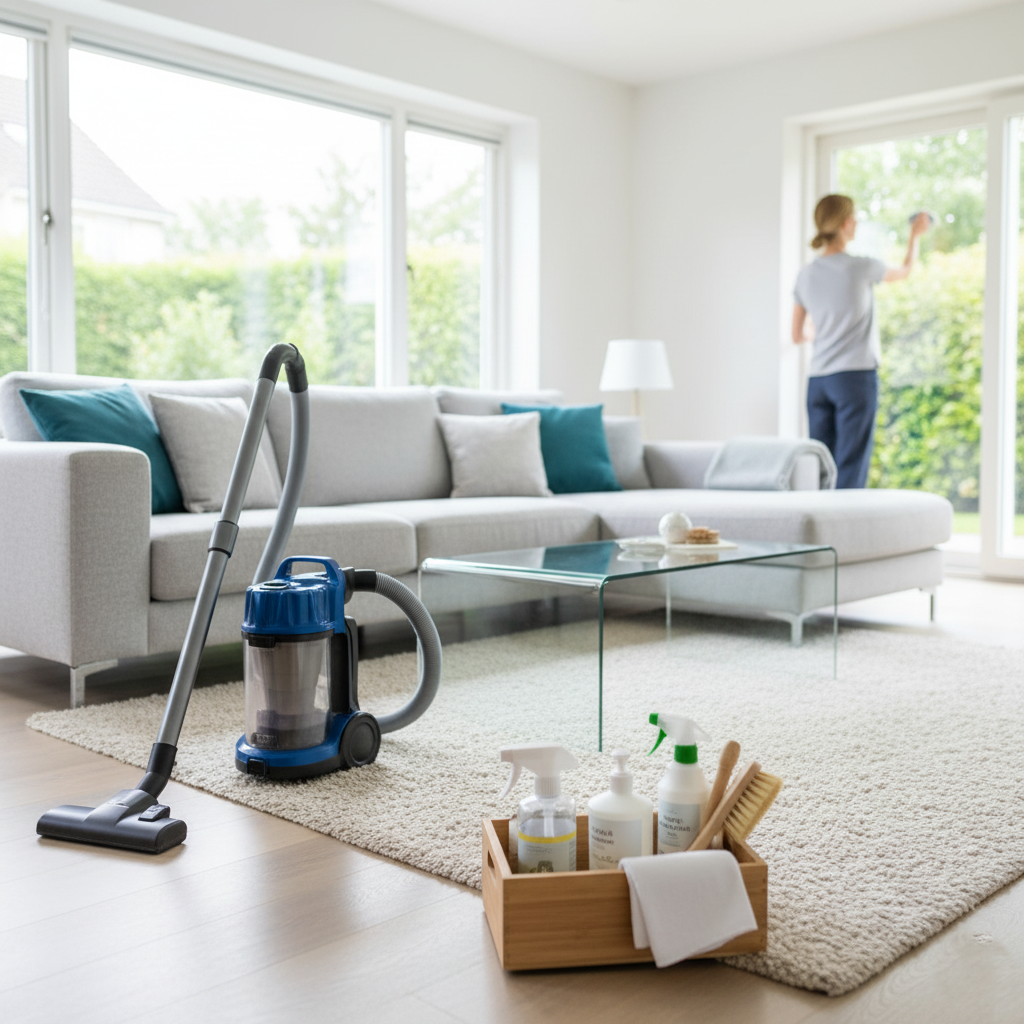
The Complete Deep House Cleaning Checklist Room by Room
KITCHEN Deep Clean Checklist
The kitchen is the hardest room to deep clean properly and the one that makes the most difference. Grease, food residue, bacteria, and limescale all accumulate in the kitchen faster than anywhere else in the house.
- Oven interior: Apply a heavy duty degreaser paste to the oven walls, base, and door glass. Leave for at least 30–60 minutes. Scrub with a non scratch pad, wipe clean, rinse.
- Hob and burners: Remove burner grates and soak in hot soapy water. Degrease the hob surface. Cleaning the control knob surrounds one of the most bacteria dense areas in the kitchen.
- Fridge fully empty: Remove all shelves and drawers. Wash in warm soapy water. Wipe interior walls with a bicarbonate solution. Clean door seals black mould in fridge seals is extremely common and almost never cleaned in a regular tidy.
- Microwave interior: Bowl of water with lemon juice in the microwave for 4 minutes. The steam loosens all splatter. Wipe clean with a damp cloth.
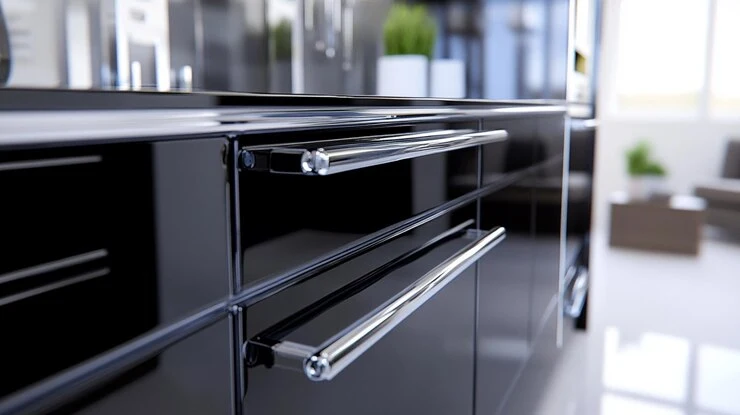
- Cupboard fronts and handles: Degrease every cupboard front. Handles harbour bacteria from hundreds of touches per day wipe with an antibacterial cloth.
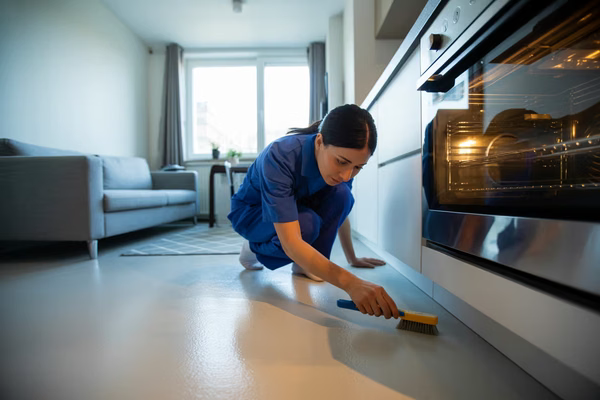
- Behind and under appliances: Pull out the fridge, washing machine, and dishwasher if possible. Sweep and mop underneath. The grease and dust accumulation here is one of the most overlooked hygiene issues in a London kitchen.
- Sink, taps, and drainer: Descale the tap with a citric acid solution wrapped in a cloth soaked in solution for 20 minutes for stubborn London limescale. Clean the drain and plughole.
- Splashback: Degrease thoroughly cooking splatter builds up invisible layers that regular wiping does not fully remove.
- Worktops: Move everything off. Clean all the way to the back wall and the corners. Wipe the wall behind the worktop too.
- Floor sweep then mop: Always last. Move the bin and clean underneath it.
For persistent oven grease that needs professional treatment, read our expert London oven cleaning guide.
BATHROOM Deep Clean Checklist
The bathroom is the most hygiene critical room in the house. A deep clean bathroom goes far beyond the weekly wipe; it gets into the grout, behind the toilet, inside the shower head, and all the surfaces that harbour bacteria and mould in London’s humid, poorly ventilated bathrooms.
- Shower head descale internally: Fill a bag with white vinegar or citric acid solution and secure around the shower head. Leave for 30–60 minutes. The internal lime deposits that reduce flow and harbour bacteria are dissolved completely.
- Shower screen or curtain: Soap scum on glass shower screens requires a specialist remover or white vinegar with a 15-minute dwell. Shower curtains should be machine washed or replaced.
- Grout deep clean: Apply a specialist grout cleaner or a bicarbonate paste. Scrub with a stiff brush. Discoloured grout is almost entirely caused by mould and soap scum it cleans far better than most people expect.
- Bath or shower tray: Apply bathroom cleaner and leave to work for 10 minutes. Pay special attention to the drain surrounding black ring marks here are mould, not staining.
- Toilet all surfaces: Outside first: cistern top, sides, base, all fixtures. Then seat and lid (both sides). Then in the inner bowl apply limescale and disinfectant cleaner, leave 15 minutes, scrub and flush. Do not forget under the rim.
- Behind and around the toilet: The floor area behind and around the toilet base is the most bacteria dense surface in the entire house. Deep clean this area every time.
- Sink and basin: Descale around the tap and plughole. Wipe under the rim of the basin another consistently missed area.
- Tiles full wipe down: All tiles, not just at eye level. Tiles above the shower and near the ceiling collect condensation mould.
- Mirror and cabinet: Clean the mirror. Wipe inside the medicine cabinet this is almost never done in a regular clean.
- Extractor fan: Dust and clean the extractor fan cover a blocked extractor fan is a major cause of bathroom mould in London flats.
- Floor: Mop last, paying attention to the area around the toilet and behind the door.
Persistent black mould in London bathrooms needs specific treatment beyond cleaning. Read our guide on how to remove black mould in London homes and how to prevent it from returning.
BEDROOM Deep Clean Checklist
Bedrooms accumulate dead skin cells, dust mite allergens, and fine particulate matter faster than any other room. A genuine deep clean bedroom significantly improves sleep quality and air quality both real, measurable benefits.
- Mattress vacuum both sides: Use the upholstery attachment. Sprinkle bicarbonate of soda, leave for 30 minutes, then vacuum off. This removes odours and surface contamination. Turn or rotate the mattress if applicable.
- All bedding washes at 60°C: Pillows, duvet, mattress protector, and all bed linen. 60°C kills dust mites, 40°C does not.
- Wardrobe interior: Empty the wardrobe completely. Vacuum the base and shelves. Wipe all interior surfaces with a damp cloth.
- Under the bed: Move the bed frame if possible. The dust accumulation under London beds particularly in carpeted bedrooms is one of the biggest single sources of indoor allergens.
- Dust all surfaces top to bottom: Tops of wardrobes, picture frames, bedside lamps, TV screen, window sill, skirting boards.
- Curtains or blinds: Fabric curtains should be machine washed if possible or vacuumed with upholstery attachment. Blinds wipe each slat with a damp cloth.
- Light fittings: Dust and wipe ceiling light fittings collect a remarkable amount of dust that drops back into the room.
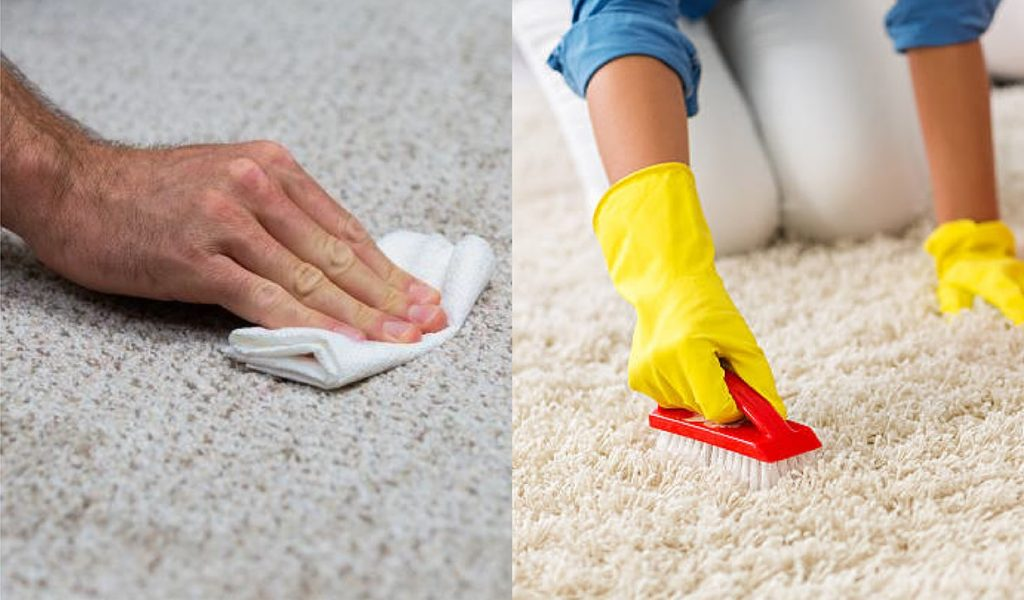
- Vacuum carpet or mop floor: Go slowly. Multiple passes over high traffic areas. Move furniture and vacuum underneath.
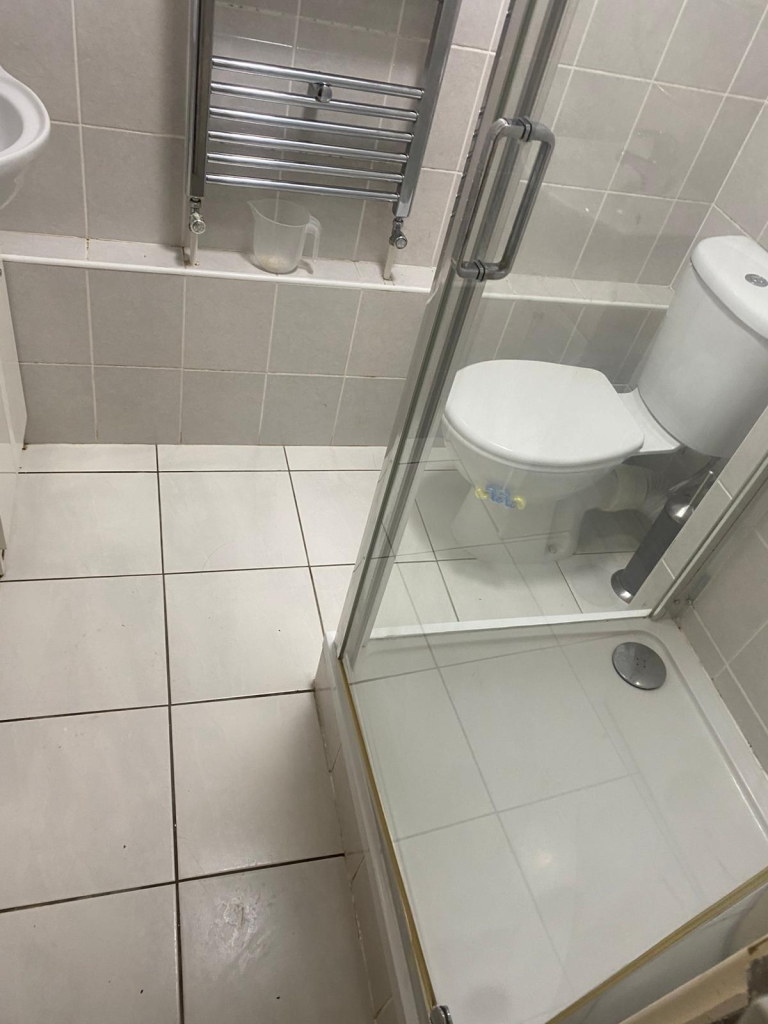
LIVING ROOM Deep Clean Checklist
The living room is where most London families spend the majority of their time and where surface contamination, allergens, and hidden grime accumulate in furniture and soft furnishings that are almost never cleaned.
- Sofa and upholstery full vacuum: Remove all cushions. Vacuum the sofa frame, under cushion areas, and all sides of each cushion. This is where a significant proportion of household dust mite allergens live.
- Cushion covers wash if removable: Check care labels. Most cushion covers are machine washable and benefit enormously from a 40–60°C wash during a deep clean.
- Behind and under furniture: Television unit, sofa, bookcase, coffee table pull each piece out and clean behind and underneath.
- Television screen: Use a dry or very slightly damp microfibre cloth. Never spray liquid directly onto a screen.
- Skirting boards: Wipe with a damp microfibre cloth not just dusted. Skirting boards in London living rooms collect a grey film of urban dust that dry dusting does not fully remove.
- Window sills, frames, and glass: Clean the inside of all windows including frames and sills. London window sills collect a visible layer of pollution particulate within days of cleaning.
- Light switches and socket plates: Some of the most touched surfaces in the home. Wipe with a slightly damp antibacterial cloth carefully, power should not be affected by careful surface wiping.
- Ceiling light fitting and lampshades: Dust both lampshades in particular collect enormous amounts of dust that sheds into the room whenever they are moved.
- Vacuum carpet or mop floor: Slow, overlapping passes. Move all furniture that can be moved.
HALLWAY & STAIRS Deep Clean Checklist
The hallway is the first impression of your home and the dirtiest area in terms of tracked in London street contamination. The stairs are one of the most neglected surfaces in the house.
- Front door inside and outside: Wipe the door fully on both sides. Clean the letterbox, handle, and lock mechanism.
- Stairs each step individually: Vacuum every tread and riser. Wipe skirting boards on each step. Clean under the banister spindles dust accumulates in the joints.
- Banister: Wipe the full length of the banister with a damp antibacterial cloth. The banister is touched hundreds of times per week.
- Hall mirror and coat storage: Clean the mirror. Wipe coat hooks and any shelf unit.
- Hallway floor: Vacuum or sweep first London hallways carry in a disproportionate amount of street grit. Then mop. Consider a doormat that traps particles before they spread further into the home.
WHOLE HOME EXTRAS Deep Clean Tasks
These tasks apply to the whole house, not just one room. They are almost always missed in a regular clean, which is precisely why a deep house clean is such a transformative experience.
- All radiators behind and on top: Dust and vacuum behind every radiator. The air that circulates from a central heating system carries radiator dust into every room continuously.
- All light switches and socket plates: Wipe every switch in the house with an antibacterial cloth.
- All door handles and hinges: Wipe and sanitise. Door handles in a busy London home are touched thousands of times per week.
- All skirting boards: A full wipe of every skirting board in the house, not just dusted.
- Loft hatch or airing cupboard: Dust and wipe the surround. Check for damp or mould.
- All bins washed: Empty, spray with disinfectant inside, leave 5 minutes, rinse.
- Washing machine drum clean: Run an empty hot cycle with a washing machine cleaner or a cup of white vinegar. Cleaning the rubber door seal black mould here is extremely common.
- Dishwasher filter and interior: Remove and clean the filter. Run an empty hot cycle with a dishwasher cleaning tablet.

Deep Cleaning a London Home: What Makes It Different
London properties have specific characteristics that affect every task on your deep house cleaning checklist and that generic guides written for non London homes completely miss.
Limescale is everywhere. London’s water hardness (300–400mg/l) means every tap, shower head, toilet bowl, and kettle accumulates limescale significantly faster than in soft water areas. Your deep clean must include descaling every water outlet not just wiping the visible surface. Our specialist guide on removing limescale from London homes covers every fixture in detail.
Black mould is a common London problem. The combination of older housing stock, dense urban living, and London’s climate creates ideal mould conditions particularly in north facing rooms, basement flats, and bathrooms without adequate extraction. A proper deep house clean must include checking and treating mould in every at risk area.
Urban pollution deposits. London’s air quality means window sills, skirting boards, and ledges near external walls collect a fine, dark film of particulate matter that standard dusting does not fully remove. Use a damp microfibre cloth not a dry duster on all horizontal surfaces near windows during a deep clean.
Smaller spaces and denser furniture. London flats typically have less space between furniture items and less accessible storage meaning more surfaces are hard to reach and cleaning under and behind furniture requires more effort. Plan your deep clean to move furniture systematically and work methodically.
How Often Should You Deep Clean Your London Home?
| Deep Clean Task | Recommended Frequency |
| Full room by room deep clean | Every 3–6 months |
| Oven deep clean | Every 2–3 months |
| Fridge empty and clean | Monthly |
| Mattress vacuum and deodorise | Every 3 months |
| Shower head descale | Monthly (London hard water) |
| Grout deep clean | Every 3–4 months |
| Behind appliances | Every 6 months |
| Washing machine clean cycle | Monthly |
| Curtains / blind wash | Every 6–12 months |
| Professional deep clean | Annually or before/after tenancy |
The most important thing is consistency. A full deep house clean done every six months prevents the build up that turns a two hour clean into a full day project. Monthly spot attention to the highest accumulation areas limescale, oven, fridge reduces the work needed each time.
When a Professional Deep Cleaning Service Makes More Sense
There are situations where even the most thorough DIY deep house clean is not the right answer and calling a professional cleaning service in London delivers a result that is simply not achievable alone.
End of tenancy cleaning. London’s tenancy deposit legislation means landlords and letting agents have specific standards. A professionally conducted end of tenancy deep clean with a written checklist and guaranteed results is the most reliable way to secure your full deposit return. Our professional house cleaning services in London include full end of tenancy cleaning with all the detail that inventory clerks check.
Deep clean after long periods of neglect. If a property has not been properly deep cleaned in a year or more or has been left by previous tenants in poor condition the scale and difficulty of the job goes beyond what a DIY clean can realistically achieve in a day.
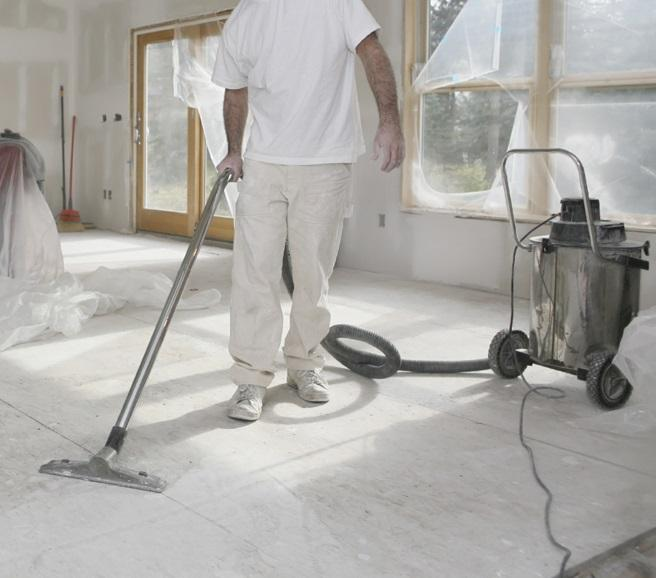
Post renovation and post building work. Builder’s dust and construction debris permeate deeply into every surface and crevice. Professional equipment and techniques are required to fully remove this without spreading it further through the property.
Health and allergen sensitivity. For London households where a resident has asthma, severe allergies, or immune system concerns, a professionally executed deep clean with HEPA filtered equipment and certified antibacterial products delivers hygiene standards that manual cleaning cannot guarantee.
Safa Cleaning Services provides certified deep cleaning services across London covering all boroughs, all property types, from studios in Hackney to family homes in Richmond. Our affordable and professional cleaning services are fully insured, transparent in pricing, and guaranteed in quality.
Book a Professional Deep Clean for Your London Home All Boroughs Covered Safa Cleaning Services delivers certified, room by room deep cleaning with professional equipment and transparent pricing. Get your free London deep clean quote today →
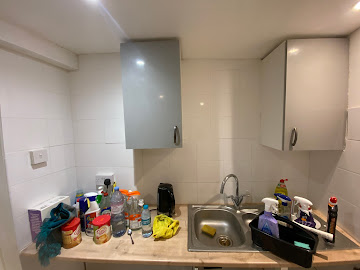
Frequently Asked Questions
Q: What is a method of deep house cleaning?
Method deep house clean refers to a systematic, room by room approach to deep cleaning working top to bottom, dry before wet, with adequate product dwell time, completing one room fully before moving to the next. It is the approach used by professional cleaners to achieve thorough, consistent results in every room.
Q: How long does a deep house clean take?
A full deep house clean for a typical London flat (1–2 bedrooms) takes approximately 4–6 hours for an experienced cleaner. A larger 3–4 bedroom London house typically takes 6–10 hours. For a first deep clean after a long period without one, add 30–50% to these estimates.
Q: How do you clean up a room properly for a deep clean?
Start by completely decluttering and removing all items from surfaces. Then work top to bottom: ceiling corners, light fittings, tops of furniture, surfaces, skirting boards, then the floor last. Apply cleaning products with dwell time before wiping. Move furniture to clean behind and underneath. This is what cleaning up a room properly means in a deep clean context.
Q: How often should you deep clean your house in London?
A complete deep house clean every 3–6 months is the professional recommendation for London homes. London’s hard water, urban pollution, and older housing stock make regular deep cleaning more important here than in most UK cities. High risk areas ovens, fridge seals, bathroom grout, shower heads benefit from monthly attention.
Q: What is the difference between a deep clean and a regular clean?
A regular clean maintains surface cleanliness: worktops, floors, toilets, mirrors. A deep house clean goes into the areas a regular clean never reaches: inside appliances, behind furniture, inside grout, under the bed, behind radiators, inside cupboards, shower head internals, and all the hidden surfaces that accumulate bacteria, mould, and allergens over time.
Q: What products do I need for a deep house clean?
You need: a heavy duty kitchen degreaser, a bathroom/limescale cleaner, citric acid solution for descaling, a grout cleaner or bicarbonate paste, an antibacterial spray, glass cleaner, floor cleaner, and good microfibre cloths. You do not need a different product for every surface; six products cover the whole house when applied correctly with proper dwell time.
Q: How do I remove limescale during a deep clean in London?
Soak a cloth in white vinegar or citric acid solution and wrap it around affected taps, shower heads, and fixtures for 20–60 minutes depending on severity. For toilet limescale, apply a citric acid cleaner inside the bowl and leave for 30 minutes before scrubbing. See our complete guide on removing limescale from London homes.
Q: How do I deal with black mould found during a deep clean?
Apply white vinegar or a specialist fungicidal treatment directly to the affected area. Leave for at least 30 minutes and do not wipe immediately. Then scrub and remove. Bleach removes the colour but does not kill mould at root level in porous surfaces. See our expert guide on removing black mould in London for the full professional approach.
Q: Can I book a professional deep cleaning service in London?
Yes. Safa Cleaning Services provides full deep cleaning services across London all boroughs, all property types, fully insured. Contact us to discuss your requirements and get a free, transparent quote.
Q: What areas of a London home are most often missed in a deep clean?
The most consistently missed areas are: behind the fridge and washing machine, under the bathroom toilet base, fridge door seals (black mould), shower head internals (limescale), behind all radiators, extractor fan covers, inside the washing machine drum seal, and skirting boards throughout. These areas are all included in the Safa Cleaning Services deep clean checklist.
Final Thought: A Deep Clean Is a Reset, Not a Punishment
A genuine deep house clean is not a sign that you have failed to maintain your home. It is a scheduled, systematic reset, the kind of thorough clean that reverses months of invisible accumulation and leaves your home genuinely fresh, hygienic, and comfortable to live in.
Used in combination with a consistent weekly cleaning habit which our guide on how to clean your house step by step covers in full a deep clean every 3–6 months keeps a London home at a standard that most people rarely experience.
When you want professional results without the effort, Safa Cleaning Services delivers certified deep cleaning across every London borough with the equipment, products, and expertise to clean everything that your checklist could not quite reach.