You look around the house and feel that familiar sinking feeling.
There is dust on the shelves. Limescale around the taps. A sticky worktop in the kitchen. A bathroom that needs attention. And you have no idea where to start or how to get through it all without spending the entire weekend cleaning.
You are not alone. It is one of the most searched questions in the UK: How to Clean Your House properly, quickly, and without burning yourself out.
This guide gives you the exact, step by step system that professional cleaners in London use every day. It is not complicated. It is not expensive. And once you understand the method the order, the logic, and the small tricks that make a big difference cleaning your house becomes significantly easier and faster than you think.
Whether you are doing a quick weekly tidy, a full top to bottom clean, or preparing for a landlord inspection this guide covers exactly what to do, room by room, from the first minute to the last.
Before You Start The Two Rules That Make Everything Easier
The reason most people find cleaning their house overwhelming is that they approach it without a system. They drift from room to room, doing a little bit here and a little bit there, and two hours later the house looks much the same as when they started.
Professional cleaners follow two principles that change everything:
Rule 1: Always clean top to bottom. Dust and debris fall downward. If you clean the floor first and then dust the shelves, you are cleaning the floor twice. Always start high ceilings, cornices, high shelves, tops of doors and work your way down to the floor last. This is the single most impactful change most people can make to how they clean their house.
Rule 2: Clean dry before wet. Dusting, vacuuming, and sweeping always comes before mopping, spraying, and wiping. Applying liquid cleaner to a dusty surface creates a muddy mess that is harder to clean than either dust or dirt alone. Dry first, then wet.
These two rules are why professional cleaners work fast. They are not rushing. They are not skipping steps. They are simply doing things in the right order and that makes every step easier than the last.
✅ Pro Tip: Before starting any room, do a full “declutter pass” first. Pick up and put away anything that does not belong. Cleaning around clutter is slow and ineffective. A clear surface takes 60 seconds to clean. A cluttered one takes five minutes and still does not look clean.
What You Need to Clean Your House The Essential Kit
You do not need a cupboard full of different products. Professional cleaners carry a small, focused kit that handles everything. Here is what you actually need to clean your house properly:
| Product / Tool | What It Does | Where to Use It |
| All purpose spray cleaner | Surface cleaning, everyday grime | Kitchen, bathroom, all surfaces |
| Bathroom / limescale cleaner | Dissolves soap scum & limescale | Toilet, sink, shower, taps |
| Glass cleaner | Streak free finish on glass | Windows, mirrors, glass surfaces |
| Floor cleaner (diluted) | Clean and deodorise hard floors | Kitchen, bathroom, hallway |
| Microfibre cloths (x4) | Clean without smearing or scratching | All surfaces |
| Toilet brush | Inside toilet bowl | Toilet only |
| Vacuum cleaner | Carpets, rugs, upholstery, skirting | All rooms |
| Mop and bucket | Hard floors after vacuuming | Kitchen, hallway, bathroom |
| Rubber gloves | Hand protection for chemicals | Bathroom and kitchen |
That is all you need. Every room in the house can be cleaned thoroughly with this kit. Do not buy a different product for every surface it wastes money, clutters your cupboards, and slows you down.
How to Clean Your House The Complete Step by Step System
Here is the exact order professional cleaners follow. Work through each step in sequence and your whole house will be clean without doubling back, redoing work, or losing track of where you are.
STEP 1 Declutter Every Room First
Walk through every room with a laundry basket or bag. Pick up anything that does not belong clothes on chairs, cups on desks, mail on worktops, toys on the floor. Return everything to its proper place before you clean a single surface. This one step cuts your total cleaning time by 20–30%.
STEP 2 Strip and Start Laundry
Pull bed sheets, pillowcases, and towels off and start a laundry load immediately. Laundry takes time to wash and dry getting it running first means it is working in the background while you clean. By the time you have finished the house, the laundry is often ready to hang.
STEP 3 Dust from Top to Bottom
Using a dry microfibre cloth or a duster, work from the highest point in each room downward. Ceiling corners (cobwebs), tops of wardrobes, picture frames, shelves, window sills, skirting boards. Never skip skirting boards they are one of the most visible signs of a properly cleaned house. A slightly damp microfibre cloth picks up fine dust far more effectively than a dry duster on smooth surfaces.
STEP 4 Clean Mirrors and Glass
Spray a small amount of glass cleaner onto a clean dry microfibre cloth not directly onto the mirror and wipe in a single overlapping S-pattern from top to bottom. This technique eliminates the streaks that result from circular wiping. London’s hard water leaves mineral spots on glass fast a final buff with a dry cloth removes any remaining marks.
STEP 5 Tackle the Kitchen
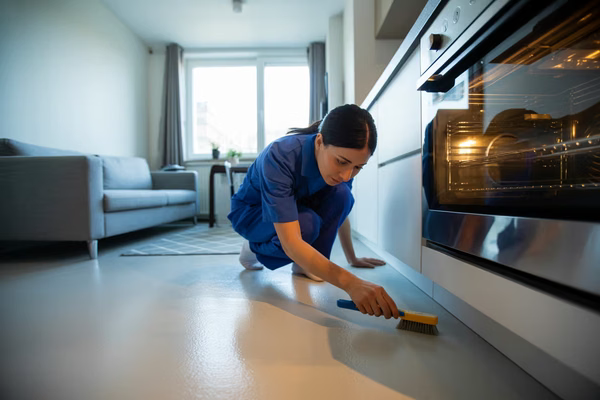
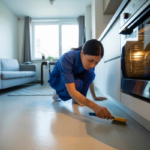
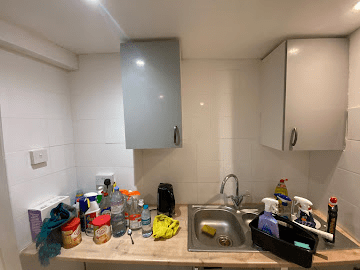
The kitchen is the most time consuming room in the house. Start with the oven and hob apply a kitchen degreaser and leave it to work while you do other kitchen tasks. Clean the inside of the microwave (a bowl of water microwaved for 3 minutes softens splatter instantly). Wipe down cupboard fronts. Clean the sink and tap limescale on London kitchen taps is a persistent problem; a citric acid spray left for 5 minutes dissolves it far more effectively than scrubbing. Finally, wipe all worktops. Leave the floor for the end it will catch crumbs and drips from everything else you have done.
STEP 6 Clean the Bathroom
Apply your bathroom cleaner to the toilet bowl inside first and leave it to work. Spray the shower, bath, and sink with bathroom cleaner. While they soak, clean your house rule applies here too: wipe the mirror and glass first, then surfaces, then sink, then the bath and shower (scrub and rinse), then the toilet last (outside first, then flush and scrub the bowl). Bathroom floors always last. This order ensures you are never moving contamination from a dirty surface to a clean one.
STEP 7 Bedrooms
Make the beds with the clean laundry (if it is ready). Dust all surfaces bedside tables, dressers, window sills top to bottom. Vacuum upholstered furniture and between cushions. Pay attention to corners and under the bed. In London flats, under bed dust accumulation is often the biggest single air quality issue in a bedroom.
STEP 8 Vacuum All Floors
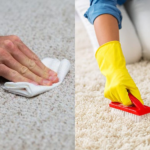
Now that all surfaces have been dusted, dried, and wiped and all the debris has fallen to the floor vacuum every room in sequence. Carpets first, then hard floors. Use a brush attachment on skirting boards. Move in straight overlapping lines, not random circles. For London properties with hard floors (common in Victorian and modern builds), pay attention to gaps between floorboards where dust accumulates.
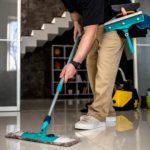
STEP 9 Mop Hard Floors
Mix your floor cleaner to the correct dilution too much product leaves a sticky residue that attracts more dirt faster. Use a well wrung mop (not dripping wet) and work backwards from the furthest corner of the room toward the door. Never walk over a wet mopped floor it leaves footprints and re deposits the soil you just removed. Leave all floors to air dry before walking on them.
STEP 10 Final Check and Empty Bins
Walk through every room with fresh eyes. Check mirrors, taps, and glass surfaces for streaks. Check floor corners for missed dust. Empty all bins. Replace bin liners. Open windows for 15–20 minutes to ventilate the cleaned space and eliminate any cleaning product smell. Your house is done.
Quick Room by Room Cleaning Checklist for London Homes
Use this checklist every time you clean your house. Tick each item as you go it keeps you focused and ensures nothing gets missed.
Kitchen
- Hob and oven degreaser with dwell time
- Microwave inside and out
- Worktops and splashback
- Sink and tap limescale treatment if needed
- Cupboard fronts and handles
- Fridge front and handle
- Floor sweep then mop
Bathroom
- Mirror and glass surfaces
- Shower or bath cleaner with dwell time
- Sink and taps limescale if needed
- Toilet outside then inside bowl
- All surfaces and shelves
- Floor mop last
Bedrooms
- Dust all surfaces top to bottom
- Make beds with clean laundry
- Vacuum carpet or mop hard floor
- Clean mirror
- Empty bin
Living Room
- Dust all surfaces including TV screen and remote
- Vacuum sofa and cushions
- Clean glass surfaces and mirrors
- Vacuum carpet or mop floor
- Straighten and arrange
Hallway and Stairs
- Dust banisters and skirting
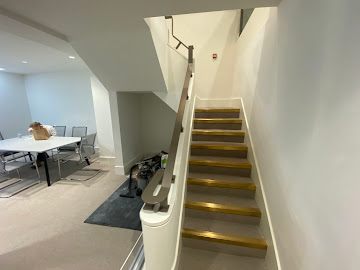
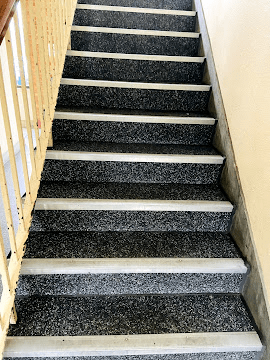
- Vacuum stairs thoroughly
- Mop or vacuum hallway floor
- Wipe front door inside and handles
Cleaning Your House in London What Makes It Different
London homes have specific challenges that affect how to clean a house properly here challenges you will not read about in generic cleaning guides.
Hard water and limescale. London has the hardest water in the UK. If you do not treat limescale regularly, it builds up on taps, shower screens, toilet bowls, and tiles extremely quickly. Use a citric acid spray every week on taps and shower screens. A weekly 5-minute treatment prevents the hour long descaling sessions that neglected limescale creates.
Urban dust and pollution particles. London’s urban environment deposits a continuous layer of fine particulate matter road dust, diesel soot, tyre rubber on window sills, shelves, and floors near windows and entry points. London homes need dusting more frequently than homes in less urban environments. Microfibre cloths capture these particles; regular dusters just redistribute them into the air.
Smaller spaces, less ventilation. London flats and smaller Victorian terraces have limited airflow. This means damp accumulates faster, mould risk is higher, and cleaning product smells linger longer. Always ventilate well when cleaning open windows before you start and leave them open for at least 20 minutes after you finish.
Older surfaces need specific care. Original Victorian tiles, period floorboards, and older bathroom enamel are beautiful but they need surface appropriate cleaning products. Acidic cleaners on natural stone cause permanent etching. Harsh abrasives on original enamel cause lasting scratches. If in doubt, use a pH-neutral, gentle cleaner on any surface you are unsure about.
How Often Should You Clean Each Part of Your London Home?
One of the most common questions about how to clean a house properly is frequency. Here is the honest guide:
| Task | Frequency | Why |
| General surface wipe down | Daily or every 2 days | Prevents build up |
| Full kitchen clean | Weekly | Grease and bacteria grow fast |
| Full bathroom clean | Weekly | Limescale and bacteria |
| Vacuuming (carpet/hard floor) | Weekly | London dust accumulates fast |
| Mopping hard floors | Weekly or fortnightly | Depends on footfall |
| Changing bed linen | Every 1–2 weeks | Hygiene and allergens |
| Fridge clean out | Monthly | Food hygiene |
| Oven deep clean | Every 2–3 months | Grease build up |
| Full deep clean | Every 3–6 months | Comprehensive hygiene reset |
| Professional deep clean | Annually or as needed | Expert results, hard to reach areas |
When to Stop DIY and Call a Professional House Cleaner in London
There is no shame in calling in professional help. In fact, for many London homeowners and renters, it is the smartest decision they make. Here are the situations where professional cleaning delivers results that DIY simply cannot match.
End of tenancy cleaning. Landlord inspections in London have very specific standards. A failed inspection can cost you your full deposit, which in London often means £1,500–£3,000 or more. Professional end of tenancy cleaning to checklist standards is one of the most cost effective services available for London renters.
Moving into a new property. You do not know how the previous occupants cleaned or whether they did at all. A professional clean before you move in gives you a genuinely fresh start in your new London home.
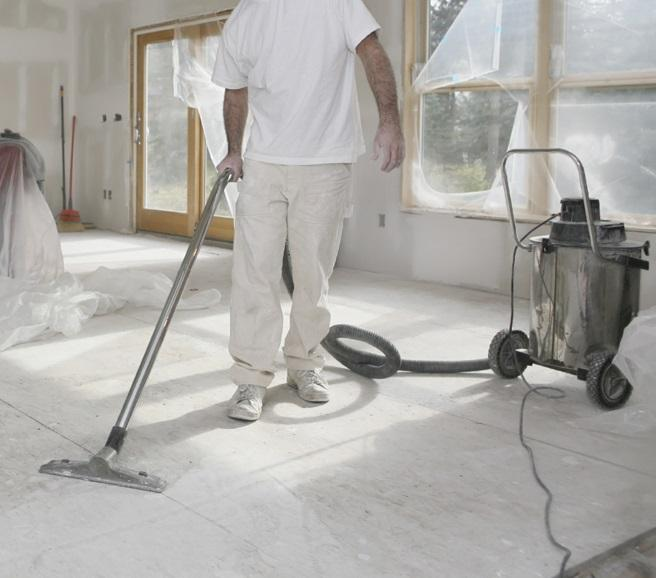
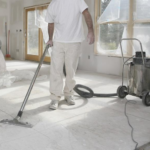
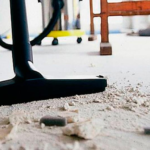
Post renovation cleaning. Builder’s dust is extremely fine and penetrates everywhere behind radiators, inside air vents, deep into carpet fibres. It requires industrial grade vacuuming and specialist techniques to remove properly. This is not a DIY job.
Deep cleaning after illness. Thorough sanitisation of a home after illness, particularly respiratory illness, requires targeted disinfection of high touch surfaces that goes beyond everyday cleaning.
Regular professional maintenance. Many London homeowners use a professional cleaner for weekly or fortnightly visits not because they cannot clean, but because their time is more valuable spent elsewhere, and the result of professional cleaning consistently exceeds what is achievable in a rushed DIY session.
Safa Cleaning Services provides professional house cleaning services across London from regular weekly cleans to full deep cleaning services in London. All boroughs covered. Fully insured. Transparent pricing.
🏠 Want Your London Home Professionally Cleaned Without the Hassle? Safa Cleaning Services covers every London borough. Regular cleans, deep cleans, end of tenancy all with vetted, insured professional cleaners. Get your free quote today →
Frequently Asked Questions
Q: What is the correct order to clean a house?
Always clean top to bottom and dry before wet. Start by decluttering, then dust from ceiling to floor, clean mirrors and glass, tackle the kitchen and bathroom, vacuum all floors, then mop hard floors last. This sequence means you never clean a surface twice and nothing falls onto an already clean area.
Q: How do you clean your house in 30 minutes?
Focus on visible impact: quick declutter (5 min), wipe kitchen worktops and hob (5 min), clean bathroom sink and toilet (5 min), wipe mirrors (2 min), quick vacuum of main rooms (10 min), empty bins (3 min). This is the professional “maintenance clean” sequence for keeping a house presentable between deep cleans.
Q: How do I clean my house easily without getting overwhelmed?
Break it into rooms, not tasks. Fully complete one room before moving to the next starting with the hardest (kitchen or bathroom). The sense of completion from a fully clean room gives momentum for the next one. Use a checklist to avoid decision fatigue about what to do next. Set a timer: most rooms take under 20 minutes with the right products and the right method.
Q: How often should you deep clean your house in London?
A full deep clean where you clean inside appliances, behind furniture, and all hard to reach areas should be done every 3–6 months for most London homes. High traffic properties or homes with children and pets may benefit from quarterly deep cleans. Annual professional deep cleaning is recommended for all London properties.
Q: What is the 30-second rule in cleaning?
The 30-second rule means: if a cleaning task takes 30 seconds or less, do it immediately rather than leaving it. Wiping a worktop after cooking. Cleaning a splash from the hob before it dries. Putting something away rather than setting it down. This habit prevents the accumulation of minor tasks that eventually become a major cleaning session.
Q: How do you keep a London flat clean day to day?
Daily habits make the biggest difference: wipe kitchen surfaces after cooking, hang up clothes rather than putting them on chairs, squeegee the shower screen after each use (eliminates limescale and soap scum from forming), and do a 10-minute tidy each evening. These habits reduce your weekly clean time by 40–50%.
Q: What cleaning products do I actually need to clean a house properly?
You need: an all purpose spray, a bathroom/limescale cleaner, a glass cleaner, a floor cleaner, and four good microfibre cloths. That covers every room. Most people use far more products than necessary professional cleaners typically carry just 4–6 products for a full house clean.
Q: Is it better to clean room by room or task by task?
Room by room is better for most people it gives a clear sense of completion and prevents the “everything half done” feeling. Task by task (e.g., dust all rooms, then vacuum all rooms) is more efficient for professional cleaners covering large properties, but can feel overwhelming in a home setting.
Q: How do professional cleaners clean so fast?
The speed comes from system, not speed. Professional cleaners follow a fixed sequence that eliminates backtracking and wasted motion. They always work top to bottom, dry before wet, and room by room. They use good-quality microfibre cloths that clean in one pass rather than spreading grime. And they know exactly how long to leave products to work before wiping.
Q: How do I book a professional house cleaner in London?
Simply contact Safa Cleaning Services. We cover all London boroughs with vetted, fully insured professional cleaners for regular visits, one off deep cleans, and end of tenancy cleaning. Explore our affordable professional cleaning services for full details and transparent pricing.
You Now Have the Exact System. Use It
Cleaning your house does not need to be stressful, confusing, or time consuming. It needs a system the right order, the right products, and the right habits.
Top to bottom. Dry before wet. Room by room. Declutter first, mop last. These principles are not complicated. But followed consistently, they transform how to clean a house from an overwhelming weekend task into a manageable, even satisfying part of your week.
When the task is bigger than the system can handle deep cleans, end of tenancy, post renovation, or simply a house that needs a professional reset Safa Cleaning Services is here, covering every London borough with insured professional cleaners and results that last.