Deciding how often to deep clean your London home depends on your property layout, household size, and daily routine. While routine cleaning handles weekly clutter, periodic deep cleaning targets hidden grime, hard water limescale, and built up dust across your living spaces.
So, How Often Should You Deep Clean Your London Home? There is no single schedule that works for every household. The right frequency depends on the size and type of property, how many people live there, whether you have pets or children, how often rooms are used, and how long it has been since the last detailed clean.
For many London homes, a full deep clean every few months can be a practical starting point, with more frequent attention needed for busy family homes, properties with pets, high traffic areas, or homes that have accumulated noticeable grime. The important point is not to follow an arbitrary calendar. Instead, look at the condition and use of your home and deep clean when regular maintenance is no longer enough.
What Does Deep Cleaning Mean for a London Home?
| Room / Area | Recommended Frequency | Key Focus Areas |
| Kitchen | Every 2–3 Months | Oven degreasing, extractor fan filters, cupboard tops, appliance descaling. |
| Bathroom | Every 1–2 Months | Hard water limescale removal, tile grout restoration, silicone mold treatment. |
| Bedrooms | Every 3–6 Months | Under bed dust clearance, mattress sanitization, carpet deep vacuuming. |
| Living Spaces | Every 3–4 Months | Behind furniture, skirting boards, upholstery steam cleaning, curtain dusting. |
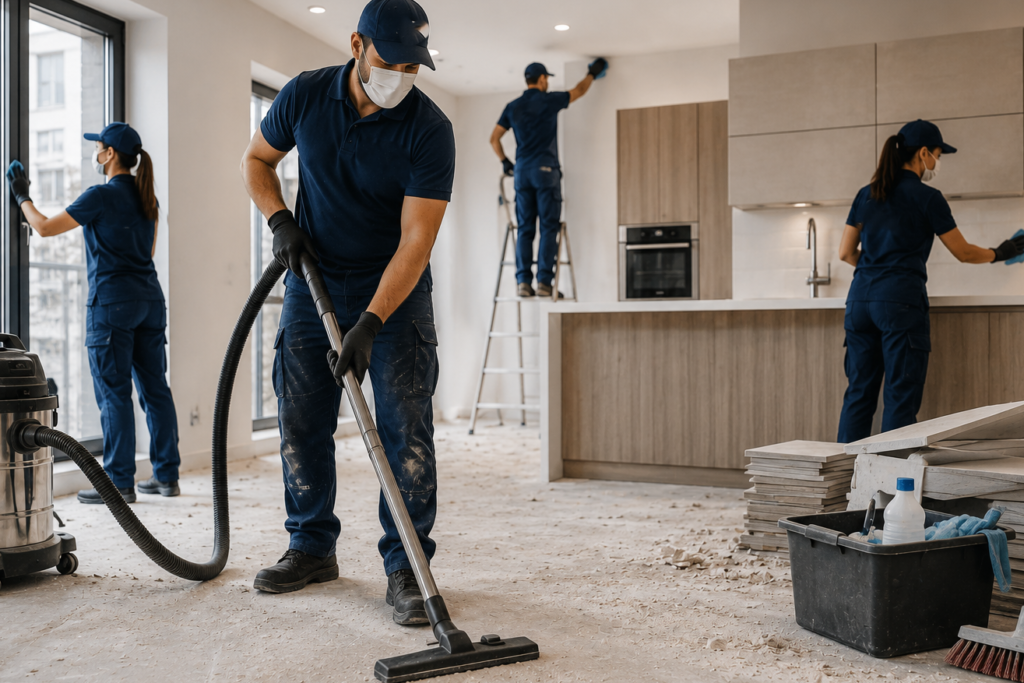
A deep clean goes beyond maintaining the surfaces you use every day. Regular domestic cleaning is generally designed to keep a property presentable through tasks such as vacuuming, mopping, dusting and cleaning frequently used surfaces. Deep house cleaning takes a more detailed approach by focusing on neglected, difficult to reach and heavily soiled areas.
That can include areas such as skirting boards, behind and underneath furniture, bathroom grout, limescale, appliance interiors, cupboard areas, doors, frames and other surfaces that may receive little attention during a normal cleaning routine.
This distinction matters because a home does not necessarily need a deep clean simply because it is untidy. A property may be organised and regularly maintained while still needing a more thorough reset.
For London households, the type of property can also influence the cleaning approach. A compact flat, a Victorian terrace, a converted period property and a modern family house can all have very different cleaning challenges. Furniture layouts, storage, ventilation, floor surfaces and the accessibility of hidden areas can all affect how quickly dirt accumulates.
How Often Should You Deep Clean Your House?
For many households, a deep cleaning schedule every three to six months can be a useful general guideline, but it should not be treated as a strict rule. A quieter home occupied by one or two adults may require less frequent comprehensive cleaning, while a busy family property may benefit from more regular attention.
Your everyday cleaning routine should handle ongoing maintenance. Deep cleaning should then address the areas that gradually get missed.
A practical approach is to think in terms of three levels. Routine cleaning maintains your home week by week. Targeted cleaning deals with areas that become noticeably dirty sooner, such as a kitchen appliance or bathroom limescale. A deeper whole home clean provides a more comprehensive reset when enough dirt and neglected areas have accumulated.
This approach is more realistic than assuming every London household needs exactly the same cleaning frequency.
London Specific Cleaning Challenges Hard Water, Pollution & Period Properties
Cleaning a home in London presents unique environment driven challenges that standard maintenance routines often fail to address. London sits in a hard water region supplied by Thames Water, meaning high concentrations of calcium and magnesium minerals quickly form stubborn limescale on taps, shower glass, and heating elements. Furthermore, urban particulate pollution including soot, street dust, and London Underground brake dust enters through windows and settles rapidly into upholstery, carpets, and sash window tracks. Period properties, such as Victorian or Edwardian conversions, also feature intricate skirting boards, high ceilings, and original floorboards that collect hidden allergens faster than modern builds.
How Hard Water Limescale Impacts Your Cleaning Schedule
Because mineral deposits harden rapidly in London bathrooms and kitchens, leaving limescale unchecked for more than two to three months can cause permanent etching on glass and permanent discoloration on tile grout. Incorporating periodic descaling agents and professional-grade steam extraction into your deep cleaning routine ensures these mineral layers are safely dissolved before causing structural or aesthetic damage.
End of Tenancy vs. Routine Deep Cleaning in London
Many London renters and landlords confuse a periodic deep clean with a formal end of tenancy clean. While a standard deep clean focuses on restoring living comfort, removing accumulated domestic dirt, and resetting neglected spaces, an end of tenancy clean follows strict inventory check lists required by estate agents. If you are preparing to move out or hand over keys to a landlord, opt for a dedicated checkout clean that guarantees deposit retrieval rather than a standard residential deep clean.
How Often Should You Deep Clean Each Room?
Different rooms collect different types of dirt, so your home deep cleaning schedule should not treat every part of the property in exactly the same way.
Kitchen Deep Cleaning
The kitchen often needs more frequent detailed attention because cooking creates grease, food residue and moisture. Areas around the hob, extractor, splashbacks, cupboard fronts and appliances can gradually develop a layer of residue even when worktops are cleaned regularly.
A deeper kitchen clean should focus on areas that are not part of everyday maintenance, including appliance surfaces, difficult corners, cupboard details and accumulated grease. Your oven may also need separate attention depending on how frequently it is used.
If you cook every day or regularly prepare large meals, you may need to deep clean the kitchen more frequently than a household that uses it lightly.
Bathroom Deep Cleaning
Bathrooms are particularly affected by moisture and limescale. Shower screens, taps, tiles, grout and shower fittings can gradually develop deposits that are difficult to remove through quick routine cleaning.
A bathroom deep clean should therefore focus on detailed descaling, grout and hard to reach areas rather than simply wiping visible surfaces.
London’s hard water is an especially relevant consideration. Water hardness varies across the city, but limescale can become a recurring cleaning issue in many homes. If white mineral deposits are returning quickly around taps, showers or glass surfaces, targeted cleaning may need to happen more often than a full house deep clean.
Bedroom Deep Cleaning
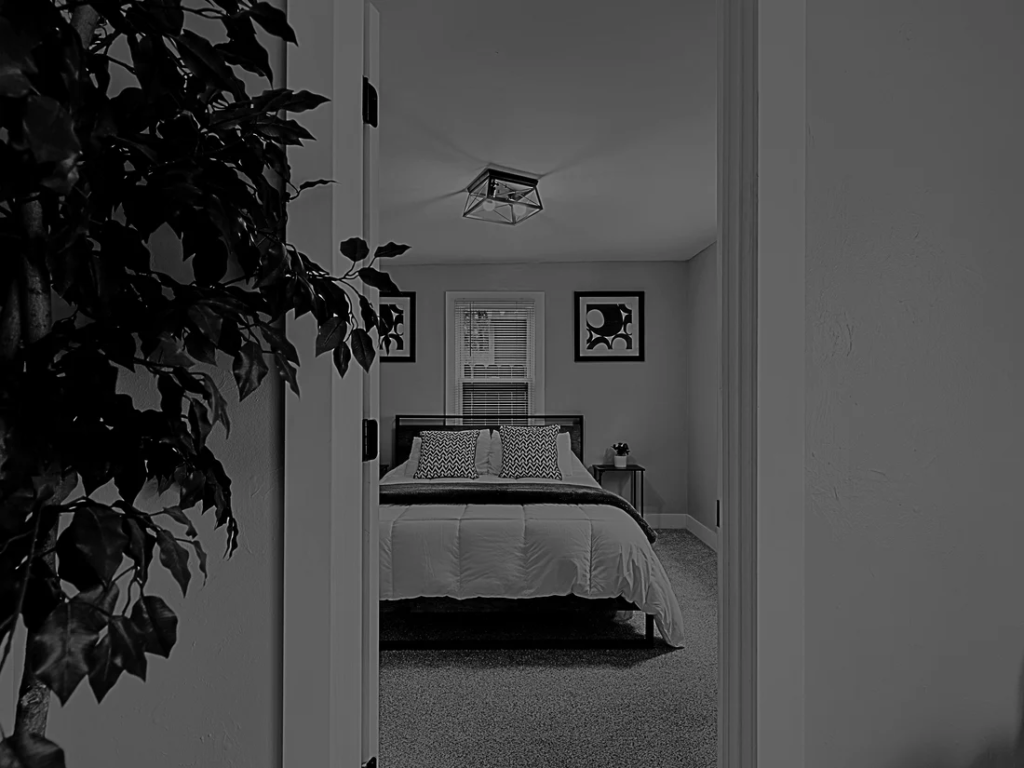
Bedrooms may appear relatively clean because they have less cooking related grease and moisture, but dust can accumulate under beds, around furniture, on skirting boards and in less frequently accessed areas.
A detailed bedroom clean should consider surfaces that are easy to overlook during weekly maintenance. Curtains, blinds, furniture edges and other fabric or dust collecting areas may also need periodic attention according to their material and use.
Living Room Deep Cleaning
Living rooms experience different levels of traffic depending on the household. Sofas, rugs, carpets, shelving, skirting boards and areas behind furniture can gradually collect dust and debris.
If your living room is used heavily by children, pets or frequent visitors, consider a more frequent deep cleaning routine for high use areas rather than waiting for the entire room to look visibly dirty.
Do You Need to Deep Clean More Often If You Have Pets?
Pets can change how quickly a home needs detailed cleaning. Fur, hair, paw marks and debris can accumulate around floors, furniture and frequently used areas.
If you have a dog or cat, your regular cleaning routine should already deal with everyday hair and visible dirt. A periodic deep clean can then concentrate on areas that are harder to maintain, including upholstery, corners, underneath furniture and other high traffic locations.
There is no universal rule that every pet owning household needs professional deep cleaning every month. The better approach is to consider the number of pets, their activity level, the size of your property, flooring and upholstery, and how quickly visible buildup returns.
How Often Should Families With Children Deep Clean?
A family home can have a very different cleaning pattern from a quiet adult household. Kitchens may be used more frequently, floors can experience heavier traffic, and common areas may require more regular attention.
Families can benefit from separating everyday cleaning from periodic deep cleaning. Routine cleaning keeps frequently touched and used areas maintained, while a deeper session can address overlooked surfaces, corners, furniture and areas that gradually become harder to keep up with.
If children spend a lot of time playing on floors or in particular rooms, those high use areas may deserve additional targeted cleaning between full deep cleaning sessions.

Do London Flats Need a Different Deep Cleaning Schedule?
Not necessarily, but the type of property can affect the work involved.
Many London residents live in flats or apartments where furniture is positioned relatively close together and storage can be limited. This can make areas behind furniture, underneath beds and around appliances harder to access.
A small flat may take less time to clean overall, but that does not automatically mean it requires less detailed cleaning. Compact rooms can contain many surfaces within a limited space, while shared entrances, staircases or building arrangements can introduce different considerations.
Period properties and converted flats can also present their own challenges. Older floors, traditional fittings, fireplaces, decorative details and awkward layouts may require a more careful cleaning approach than a straightforward modern apartment.
The best deep cleaning services in London should therefore consider the actual condition and characteristics of the property rather than applying exactly the same checklist to every home.
What Are the Signs Your Home Is Overdue for a Deep Clean?
Your home may be ready for a deeper clean when routine cleaning no longer seems to make a noticeable difference.
One sign is that dust quickly returns to areas that have already been cleaned. Another is visible grease around kitchen surfaces or appliance areas that routine wiping does not fully address. Persistent limescale in bathrooms, neglected skirting boards, dusty areas behind furniture and buildup around hard to reach spaces can also indicate that your property needs more than maintenance cleaning.
You may also notice that the home feels clean immediately after your normal routine but still looks tired or dull overall.
Other situations can provide an obvious reason for a deeper clean. You may be preparing for guests, returning after an extended period away, getting a property ready for a new stage of occupancy, or simply realising that certain areas have not received detailed attention for months.
The key question is simple: Are you maintaining your home, or are you trying to catch up with accumulated dirt?
If you are constantly trying to catch up, it may be time for a more comprehensive clean.
Seasonal Deep Cleaning: Is It Worth Doing?
Seasonal cleaning can be a useful opportunity to reset areas that are easy to overlook during busy periods.
A spring clean, for example, can be a good time to review bedrooms, living spaces, kitchens, storage areas and less frequently cleaned surfaces. Before the winter months, you may want to pay greater attention to areas that will receive heavier indoor use.
However, seasonal cleaning does not have to mean cleaning every part of your home from scratch four times a year.
A better approach is to combine regular maintenance with targeted seasonal deep cleaning. If one area already receives frequent attention, there may be little value in repeatedly cleaning it at the same intensity. Instead, use seasonal sessions to rotate attention toward areas that have been neglected.
This makes a deep cleaning schedule more practical and easier to maintain.
When Should You Book a Professional Deep Clean in London?
Sometimes a DIY deep clean is perfectly manageable. If you have enough time, the property is relatively small and the buildup is limited, you may prefer to handle the work yourself.
Professional deep cleaning services London residents use can become particularly useful when the property needs a comprehensive reset and you do not have the time, equipment or energy to work through every room systematically.
A professional service may be worth considering when you have accumulated months of neglected cleaning, are preparing a property for an important occasion, need help with a larger home, or want a structured one off clean rather than adding another major task to your schedule.
Professional deep cleaning can also make sense when you want multiple areas addressed during one visit rather than tackling the kitchen, bathroom, floors, furniture and difficult to reach spaces separately.
The important thing is to confirm exactly what the service includes. Deep cleaning companies can define their packages differently, so ask about specific tasks, areas, equipment and any additional services before booking.
DIY Deep Cleaning or Professional Cleaning: Which Is Better?
There is no universal answer.
DIY cleaning gives you complete control over the timing, products and areas you prioritise. It can work well when you have enough time and the property is manageable.
Professional cleaning is more attractive when your schedule is busy, the property requires significant attention, or you want an experienced team to work through the home systematically.
The decision should depend on time, property condition, cleaning requirements and your priorities, rather than the assumption that professional cleaning is always necessary.
For some households, the most practical solution is a combination: maintain the home regularly yourself and arrange an occasional professional deep clean when the property needs a more detailed reset.
How to Build a Deep Cleaning Schedule That Actually Works
A sustainable schedule does not mean trying to deep clean your entire home every week. That quickly becomes unrealistic for most busy households.
Instead, divide your cleaning into layers.
Your regular routine should handle everyday maintenance such as floors, bathrooms, kitchen surfaces and dusting. Monthly or occasional targeted cleaning can focus on areas that accumulate dirt faster, such as appliances, shower fittings or specific high use spaces.
Every few months, review the entire property and identify the areas that routine cleaning has missed. This is where a more comprehensive deep house cleaning session can be useful.
Your schedule should also change when circumstances change. Moving home, hosting a major event, completing renovation work, returning from a long trip or preparing a rental property can all create reasons for a one off deep clean.
This flexible approach is more useful than following a fixed timetable that ignores how your household actually lives.
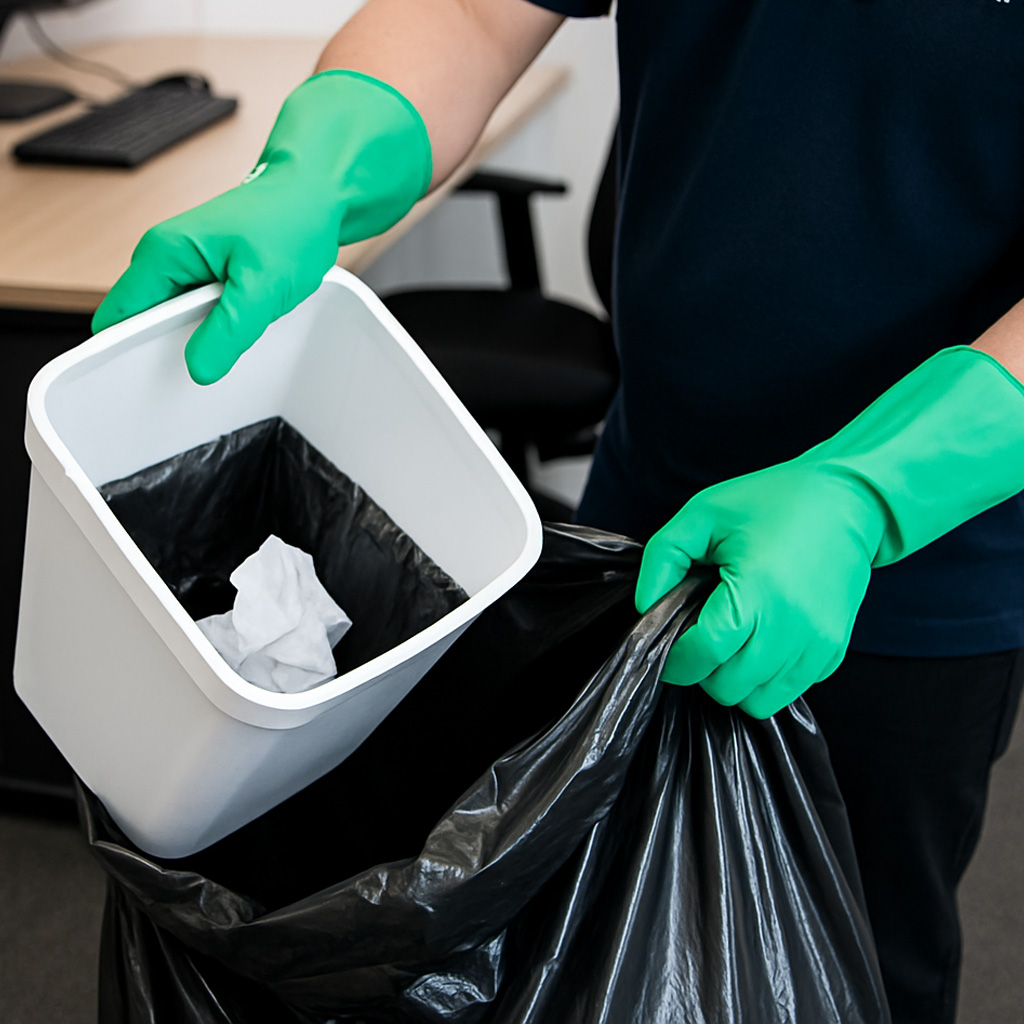
Is Professional Deep Cleaning Worth It for a London Home?
The answer depends on what you need from the service.
If your home is already well maintained and you have plenty of time, occasional DIY deep cleaning may be enough. But if you have reached the point where routine cleaning is no longer keeping up, professional help can save significant time and provide a structured way to tackle neglected areas.
The value is not simply in making a property look cleaner for one day. A detailed reset can make it easier to maintain the home afterwards because you are starting from a cleaner baseline.
For busy London households, the biggest benefit may simply be convenience. Instead of spending an entire weekend working through difficult areas, you can arrange a one off deep cleaning service in London and then return to your normal maintenance routine.
Frequently Asked Questions About Deep Cleaning
How often should you deep clean your house?
There is no universal frequency, but many households can use a full deep clean every few months as a practical starting point. Homes with heavier traffic, pets, children or specific cleaning challenges may need more frequent targeted cleaning.
Is it necessary to deep clean every month?
Not usually for every household. Monthly deep cleaning may be unnecessary if your home is well maintained. Instead, use regular cleaning for everyday maintenance and focus monthly attention on specific areas that need it.
How often should you deep clean if you have pets?
Pet owners may need to clean certain areas more frequently because hair and debris can build up faster. The right schedule depends on the number of pets, their activity, flooring, upholstery and household routine.
How often should a kitchen be deep cleaned?
Kitchen deep cleaning frequency depends on how often you cook and how quickly grease and residue accumulate. High use kitchens may need more frequent detailed attention than lightly used kitchens.
How often should a bathroom be deep cleaned?
Bathrooms benefit from regular maintenance because moisture and limescale can build up quickly. Targeted descaling may be needed more frequently, while a more comprehensive bathroom deep clean can be included in your wider home cleaning schedule.
Is professional deep cleaning worth it?
It can be, particularly when you have limited time, significant accumulated dirt, a larger property or a specific occasion that requires a detailed clean. The decision depends on your home’s condition and your available time.
What is the difference between a regular clean and a deep clean?
Regular cleaning focuses mainly on maintaining frequently used and visible areas. Deep cleaning goes further by addressing neglected, difficult to reach or more heavily soiled areas that are not normally included in routine maintenance.
Should I deep clean before moving house?
A move can be a good reason for a detailed clean. However, moving related cleaning requirements can differ from a standard deep clean, so check whether you need a dedicated end of tenancy or move in/move out service.
Give Your London Home a Deeper Reset
Knowing how often to deep clean your home is less about following a perfect calendar and more about understanding your property.
A compact London flat may have different needs from a Victorian terrace. A busy family home may require more frequent attention than a quiet household. Homes with pets, frequent visitors, heavy cooking or persistent bathroom limescale may also need targeted cleaning between comprehensive deep cleans.
The goal is simple: use regular cleaning to maintain your home, targeted cleaning to deal with fast building problem areas, and deep cleaning when your property needs a more complete reset.
If your home has reached the point where routine cleaning is no longer enough, professional help can take the pressure off. Safa Cleaning Services provides professional deep cleaning for London homes, helping homeowners and tenants tackle the areas that are difficult to manage as part of an everyday routine.
Ready to give your home a proper reset? Explore Safa Cleaning Services’ our hub at 124 City Road, EC1V 2NX, we proudly serve every London borough. deep cleaning options and arrange a professional clean suited to your London property.