You are standing in front of two options. A rented or bought domestic carpet extractor costs a fraction of the price. Or a professional commercial extraction service that costs more upfront but promises a completely different result.
Which one actually gets your carpet clean? Which one is worth your money? And why do professional cleaners use machines that look nothing like the ones sold in supermarkets and hardware shops?
This answers all of it honestly and in plain language. We will walk through exactly what extraction cleaning is, how Commercial Extract Cleaning differs from domestic carpet extractors in real, measurable ways, and which one actually makes sense for your situation, whether that is a home in London, a rental property, or a busy office.
No vague comparisons. No skipped details. By the end, you will understand exactly why professionals use the equipment they use and whether a domestic machine can genuinely compete.
more suction power in a commercial extractor compared to a typical domestic machine
drying time with commercial extraction vs 12–24+ hours with most domestic machines
of injected water removed by a commercial extractor in a single pass domestic machines typically recover far less
What Is Extract Cleaning? The Basics Explained Simply
Extract cleaning, also called hot water extraction or sometimes “steam cleaning” even though no actual steam is involved works on a simple principle. Hot water mixed with a cleaning solution is pushed deep into the carpet fibres under pressure. A powerful vacuum then immediately pulls that water back out, along with the dirt, dust, bacteria, and old residue it has loosened.
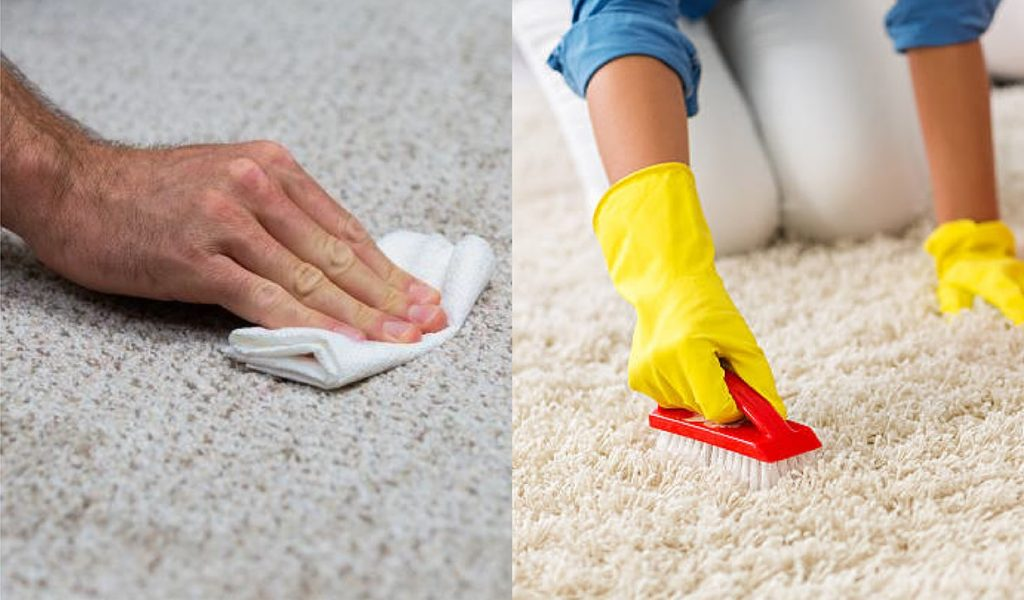
This is different from a carpet shampoo machine, which scrubs a foaming solution into the carpet surface and leaves much of it behind to dry in. Shampooing can leave a sticky residue that actually attracts dirt faster afterwards, one reason carpets sometimes look dirty again within days of a shampoo clean.
Every carpet extraction machine whether commercial or domestic uses this inject and extract principle. The difference between the two categories is not the basic idea. It is the power, design, and engineering behind how well that idea is executed. And that difference is much bigger than most people expect.
Commercial Extract Cleaning vs Domestic Extract Cleaning: The Real Technical Differences
This is where most articles stop at price and call it done. The real differences that determine your actual result go much deeper and they explain exactly why professionals will not use a domestic machine for serious work.
Suction Power and PSI
A commercial carpet extractor typically runs a twin vacuum motor system generating far higher airflow and suction than a single motor domestic unit. Combined with higher water pressure often measured in PSI (pounds per square inch) commercial machines push cleaning solutions deeper into the carpet pile and pull a much higher percentage of it back out.
A typical domestic extractor operates at low pressure with a single motor. It can clean the surface and upper mid layer of the pile reasonably well, but it struggles to fully saturate and then fully extract from a thick or heavily soiled carpet particularly in high traffic commercial environments.
Recovery Tank Size and Solution Tank Capacity
Commercial machines carry large solution tanks and recovery tanks often 15 to 30+ litres allowing continuous cleaning across large areas without constantly stopping to refill or empty. Domestic units typically hold a fraction of this, meaning frequent stops that interrupt the cleaning rhythm and extend the job considerably on anything beyond a single room.
Heat and Water Temperature
Higher water temperature breaks down grease, oils, and ground in soil far more effectively. Commercial units often heat water to 85–95°C and maintain that temperature throughout the job. Most domestic extractors rely on the temperature of your home’s hot tap water or a low power internal heater, usually well below commercial grade temperatures, and dropping further as the tank empties.
Drying Time
This is one of the most overlooked differences and one of the most important for real world results. Because commercial machines extract a much higher percentage of injected moisture (often 95%+ in a single pass), carpets dry in 1 to 3 hours. Domestic machines, recovering less water per pass, commonly leave carpets damp for 12 to 24 hours or longer increasing the risk of mold developing underneath the carpet, especially in London’s smaller, less ventilated flats.
Motor Lifespan and Build Quality
Commercial extractors are engineered for daily, all day professional use often rated for thousands of hours of operation with proper maintenance. Domestic units are built for occasional home use and are simply not designed, or warrantied, for the kind of repeated heavy duty operation a professional or commercial setting demands.
| Factor | Commercial Carpet Extractor | Domestic Carpet Extractor |
| Motor | Twin vacuum motor, high airflow | Single motor, lower airflow |
| Water pressure | High PSI, deep penetration | Low PSI, surface to mid pile |
| Water temperature | 85–95°C, sustained | Tap temperature, often drops |
| Solution / recovery tank | 15–30+ litres | 2–10 litres, frequent refills |
| Water recovery rate | Up to 95%+ per pass | Significantly lower per pass |
| Drying time | 1–3 hours | 12–24+ hours |
| Build for | All day commercial / daily use | Occasional home use |
| Typical lifespan | Years of daily professional use | Limited occasional use lifespan |
| Operator training | Trained, certified technicians | Untrained, self taught use |
Your Real Questions, Answered Honestly
Is a Commercial Extractor Worth the Money?
For a one off clean of a single room, probably not hiring a professional service for that single job makes more financial sense than buying commercial equipment. But for businesses, landlords managing multiple properties, or anyone cleaning carpets regularly across a large area, the answer shifts firmly toward yes. The faster drying time alone reduces business downtime and disruption significantly, and the deeper clean extends carpet lifespan both of which translate directly into saved money over time.
Can a Domestic Extractor Clean Like a Professional?
Not quite and this is worth being honest about. A domestic extractor can noticeably improve a lightly soiled carpet for routine home maintenance. But for deep set dirt, old stains, pet odours, or heavily trafficked areas, the lower suction power and lower water temperature simply cannot match what a commercial machine achieves. The dirt that sits deepest in the pile and causes the most odour and allergy issues is exactly the dirt a domestic machine struggles to fully remove.
Which Removes Stains Better?
Commercial extraction wins clearly here, for two reasons. First, the higher water pressure and temperature break down stain compounds proteins, oils, and tannins far more effectively. Second, professional technicians using commercial equipment are trained to pre treat different stain types with the correct chemistry before extraction, rather than relying on a single generic solution for everything.
Which Dries Faster?
Commercial extraction, decisively. The combination of higher suction and better engineering means commercial machines recover far more of the water they put in. This is the single biggest practical difference most people notice: a domestic clean often leaves you avoiding a room for a full day, while a commercial clean is walkable again within a few hours.
Which Machine Lasts Longer?
Commercial machines are built for years of intensive daily use, with motors and pumps rated accordingly and they are maintained on a structured maintenance schedule by trained operators. Domestic machines are built for occasional use and tend to wear out faster if used heavily or frequently they were never engineered for that workload.
Which Is Cheaper?
Upfront, domestic machines or rental units cost far less. But the full picture includes your own time, the cost of cleaning solution, the risk of an inferior result needing a repeat clean, and the cost of any damage from over wetting. For a single small job, domestic remains cheaper. For larger jobs, regular cleaning, or commercial premises, the cost per clean often favours a professional commercial service once all these factors are included.
Is a Domestic Extractor Suitable for an Office?
Generally, no. Offices need fast turnaround (minimal downtime), consistent results across large open plan areas, and a standard of hygiene that supports a professional working environment. A domestic machine’s smaller tank size and slower drying time make it impractical for anything beyond a very small office space and the lower extraction power means the deep, ground in soil common in busy commercial carpets goes largely untouched.
Can I Clean Large Carpets With a Domestic Machine?
You can attempt it, but expect a longer job with more refilling, more emptying, and a less even result across the whole area particularly as the unit’s water temperature drops over a longer session. For anything beyond two or three average sized rooms, a commercial grade service is significantly more practical and produces a more consistent finish from one end of the carpet to the other.
Why Do Professionals Use Commercial Extractors?
Because their reputation depends on consistent results. Professional cleaners need machines that perform the same way on the first job of the day as the last, that dry fast enough to avoid disrupting a client’s day, and that are robust enough to be used for hours without breaking down. Commercial extractors are engineered specifically to meet professional cleaning standards; domestic machines simply were not designed with that brief in mind.
Which Extractor Removes Pet Urine Most Effectively?
Pet urine is one of the hardest contaminants to fully remove because it penetrates deep into the carpet pile and underlay, and standard cleaning alone can fail to neutralise the bacteria causing the odour. Commercial extraction combined with a specific enzyme based pre treatment designed to break down the uric acid crystals removes this far more thoroughly than a domestic machine, which often only addresses the surface level smell temporarily.

Who Should Choose a Domestic Extractor and Who Needs Commercial Extraction
Honest advice, not a sales pitch: here is exactly who benefits from each option.
A Domestic Extractor Makes Sense If:
- You are doing light, routine maintenance cleaning on a carpet that is not heavily soiled
- You only need to clean a single small room occasionally
- You have time to wait a full day or more for the carpet to dry fully
- You are comfortable troubleshooting equipment yourself with no professional support
Commercial / Professional Extraction Makes Sense If:
- You need carpets dry and usable again within hours, not days
- You are dealing with old stains, pet odours, or heavily trafficked areas
- You manage an office, retail space, hotel, or restaurant where downtime matters
- You are a landlord or letting agent needing a documented, professional standard clean
- You want the deepest possible clean to protect your carpet’s lifespan and any manufacturer warranty considerations
Real World Scenarios Which Option Actually Wins
Scenario 1: A Family Home With Light Everyday Soiling
A weekly vacuumed living room carpet with no major stains, used by a small family without pets. A domestic extractor used occasionally can keep this carpet reasonably maintained between professional visits though an annual commercial deep clean is still recommended to remove what regular maintenance misses.
Scenario 2: A Rental Property at End of Tenancy
Tenancy agreements and letting agents in London expect a documented, professional standard result not a DIY attempt. A professional end of tenancy clean using commercial extraction equipment gives landlords and tenants alike the confidence and documentation needed to avoid deposit disputes.
Scenario 3: A Busy London Office
Open plan carpeted office space with daily foot traffic from dozens of staff. A domestic machine simply cannot cover this area effectively within a working day, and the slow drying time would disrupt operations. Professional office and commercial cleaning services using commercial grade extraction is the only realistic option here.
Scenario 4: A Sofa or Armchair With Pet Odour
Upholstery holds onto odour causing bacteria even more stubbornly than carpet, because the fabric and foam absorb liquid deeply. Domestic spot cleaning addresses the surface but rarely the source. Professional upholstery and sofa cleaning with proper extraction equipment and enzyme treatment removes the odour at its source.
Scenario 5: A Hotel or Restaurant Carpet
High footfall, constant spills, and zero tolerance for visible soiling or odour. Hotel and restaurant carpets need the deepest possible clean achievable in the shortest possible downtime window, a job built entirely around what commercial extraction delivers and domestic equipment cannot.
Maintenance, Cleaning Frequency, and Cost Per Clean: The Numbers That Matter
A carpet’s lifespan is directly affected by how it is cleaned and how often. Industry guidance broadly aligned with BICSc (British Institute of Cleaning Science) best practice recommends a full deep extraction clean every 6 to 12 months for domestic carpets and considerably more frequently for high traffic commercial environments, sometimes monthly or quarterly depending on footfall.
Skipping deep extraction in favour of vacuuming alone allows ground in soil to act like sandpaper on carpet fibres every time someone walks across it accelerating wear and shortening the carpet’s effective lifespan considerably. Many carpet warranty considerations from manufacturers also specify a minimum professional cleaning frequency to keep the warranty valid, something worth checking if your carpet was a significant investment.
When you calculate cost per clean properly factoring in your own time for DIY, the risk of a lesser result, and the extended carpet lifespan that comes from proper deep extraction professional commercial cleaning very often works out as the smarter long term choice, even though the single invoice looks larger than a DIY rental.
Maintenance tip: Whichever method you use, vacuum thoroughly before any wet extraction. This single step removing loose dry soil first dramatically improves the result of either domestic or commercial extraction, because it stops loose grit turning into mud once water is introduced.
Why Booking a Professional Carpet Extraction Service Makes Sense in London
London adds its own layer of complexity to this decision. Hard water means cleaning solutions need to be rinsed thoroughly to avoid mineral residue, something commercial equipment with higher recovery rates handles far better than domestic units. Smaller, less ventilated flats mean slow drying carpets carry a higher real risk of mould developing underneath exactly the outcome commercial extraction’s fast drying time avoids.
Safa Cleaning Services brings genuine commercial grade extraction equipment to every job for homes, offices, and everything in between across all London boroughs. Explore our full carpet cleaning services in London, our deep cleaning services for a complete property refresh, or our upholstery and sofa cleaning services to tackle furniture alongside your carpets.
Real Commercial Extraction Equipment Used on Every Job, Every Time Faster drying. Deeper clean. Trained technicians. All London boroughs covered. Book your professional carpet extraction clean today →
Frequently Asked Questions
Q: What is commercial extract cleaning?
Commercial extract cleaning uses heavy duty equipment typically a twin vacuum motor, high water pressure, and large solution and recovery tanks to inject hot water and cleaning solution deep into carpet fibres and immediately extract it back out, along with embedded dirt, bacteria, and old residue. It is the method used by trained professional carpet cleaners for homes, offices, and commercial premises.
Q: Is commercial extraction better than domestic extraction?
For deep, lasting results, yes. Commercial extractors generate significantly more suction power and higher water temperature, recover a much higher percentage of injected moisture, and dry carpets in 1–3 hours compared to 12–24+ hours for most domestic units. Domestic extraction can still be useful for light, routine home maintenance between professional cleans.
Q: Which carpet extractor is best for offices?
A commercial grade extractor is the only realistic choice for office environments. Large solution tanks allow continuous cleaning across open plan spaces without constant refilling, and fast drying time minimises business disruption both essential for a working office that cannot stay closed for a full day.
Q: Can a domestic extractor remove deep stains?
Domestic extractors can improve light, fresh stains reasonably well. Deep set or old stains particularly pet urine, wine, or grease generally need the higher water pressure, higher temperature, and correct pre treatment chemistry that commercial extraction and trained technicians provide.
Q: How long does extraction cleaning take to dry?
Commercial extraction typically dries within 1 to 3 hours thanks to higher water recovery rates. Domestic extraction commonly leaves carpets damp for 12 to 24 hours or longer, which increases the risk of musty odours or mould developing underneath, especially in smaller, less ventilated properties.
Q: Is hot water extraction safe for carpets?
Yes, when performed correctly with the right water temperature, pressure, and solution concentration for the specific carpet type. Hot water extraction is the method recommended by most major carpet manufacturers for deep cleaning. It is gentler on fibres than aggressive scrubbing methods and does not leave the sticky residue that carpet shampooing can leave behind.
Q: What is the difference between a carpet shampooer and an extractor?
A carpet shampooer scrubs a foaming solution into the carpet surface, much of which is left to dry in rather than being fully removed; this can leave a sticky residue that attracts dirt faster afterwards. An extractor injects solution and then immediately vacuums it back out, removing the vast majority of moisture, dirt, and residue in the same pass. Extraction is the professional standard; shampooing is largely outdated for deep cleaning purposes.
Q: How often should carpets be professionally extracted?
Industry best practice recommends a full deep extraction clean every 6 to 12 months for typical domestic carpets, and considerably more often sometimes monthly or quarterly for high traffic commercial environments such as offices, hotels, and restaurants, depending on footfall and usage.
Q: Does commercial extraction remove pet urine and odour completely?
Commercial extraction combined with an enzyme based pre treatment is significantly more effective at removing pet urine than domestic methods, because it addresses the uric acid crystals causing the odour at their source rather than just masking the smell on the surface. For severe or repeated pet accidents, professional treatment is strongly recommended.
Q: Is it worth buying a commercial extractor for personal home use?
Generally no, unless you are cleaning very large areas extremely frequently. The upfront cost, maintenance requirements, and operator skill needed to use commercial equipment properly make it impractical for occasional home use. Booking a professional extraction service delivers the same commercial grade result without the investment, storage, or maintenance burden.
Q: How do I book professional commercial grade carpet extraction in London?
Simply visit our carpet cleaning services London page or contact us directly. We bring genuine commercial extraction equipment and trained technicians to every job across all London boroughs for homes, offices, and commercial premises alike.
The Honest Verdict Choose the Tool That Matches the Job
Domestic extraction has its place light, occasional maintenance on carpets that are not heavily soiled. But for anything that genuinely matters old stains, pet odours, busy households, offices, rental properties, or simply wanting your carpet to last as long as possible commercial extraction wins on almost every measurable factor: suction power, water temperature, recovery rate, drying time, and the trained expertise behind it.
The technology is not complicated once you understand it. The result, however, is genuinely different and once you have experienced a proper commercial grade clean, with a carpet that is dry and fresh within a few hours rather than a damp room you avoid for a full day, the difference speaks for itself.
Safa Cleaning Services brings real commercial extraction equipment to every job across London homes, offices, and everything in between. Explore our professional carpet cleaning services and experience the difference for yourself.
📞 Book your commercial grade carpet extraction clean today →