Why Black Mould Is Such a Serious Problem in London Homes
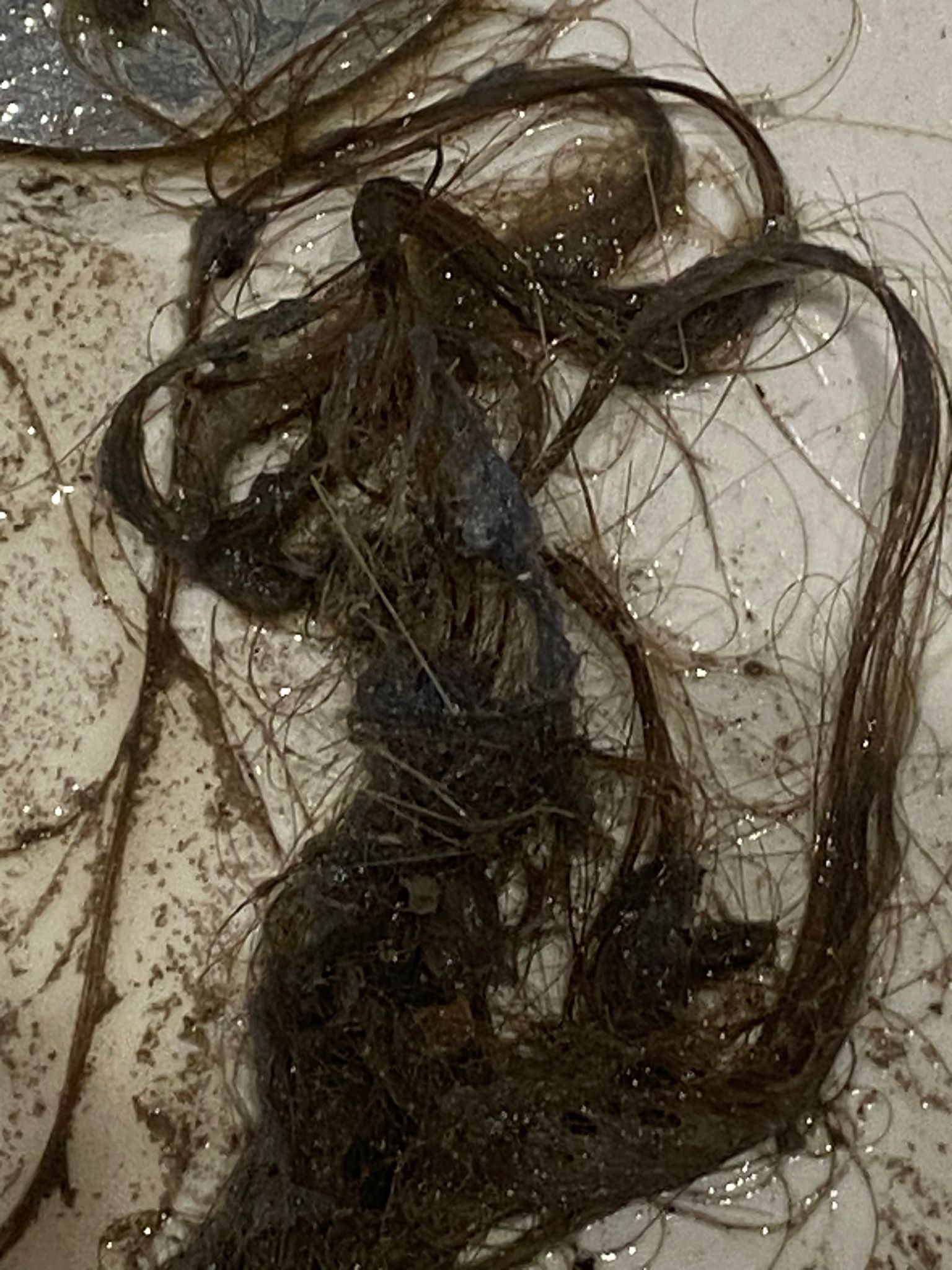
You find it first in the corner of the bathroom ceiling, a cluster of dark, greenish black spots that seem to have appeared overnight. Within weeks, it has spread along the grout lines, crept behind the mirror, and started appearing on the wall by the window. That is black mold, and in London homes, it is not a minor cosmetic inconvenience. Effectively remove black mould in 2026 London homes by fixing the underlying moisture source, usually condensation, and using biocidal sprays rather than just bleach. Prioritize safety with masks/gloves, increase ventilation (extractor fans/window vents), and apply anti mould paint. For large areas (over \(1\text{m}^2\)), contact us today
London has a particular problem with Remove Black Mould London homes. The city’s older Victorian and Edwardian housing stock which makes up the majority of residential properties in inner London boroughs including Islington, Hackney, Shoreditch, Lambeth, and Southwark was built long before modern insulation and ventilation standards existed. Cold external walls, single glazed windows, limited extractor fans, and minimal cavity wall insulation create the perfect conditions for condensation to form and linger. When that condensation has nowhere to go, it feeds the mould.
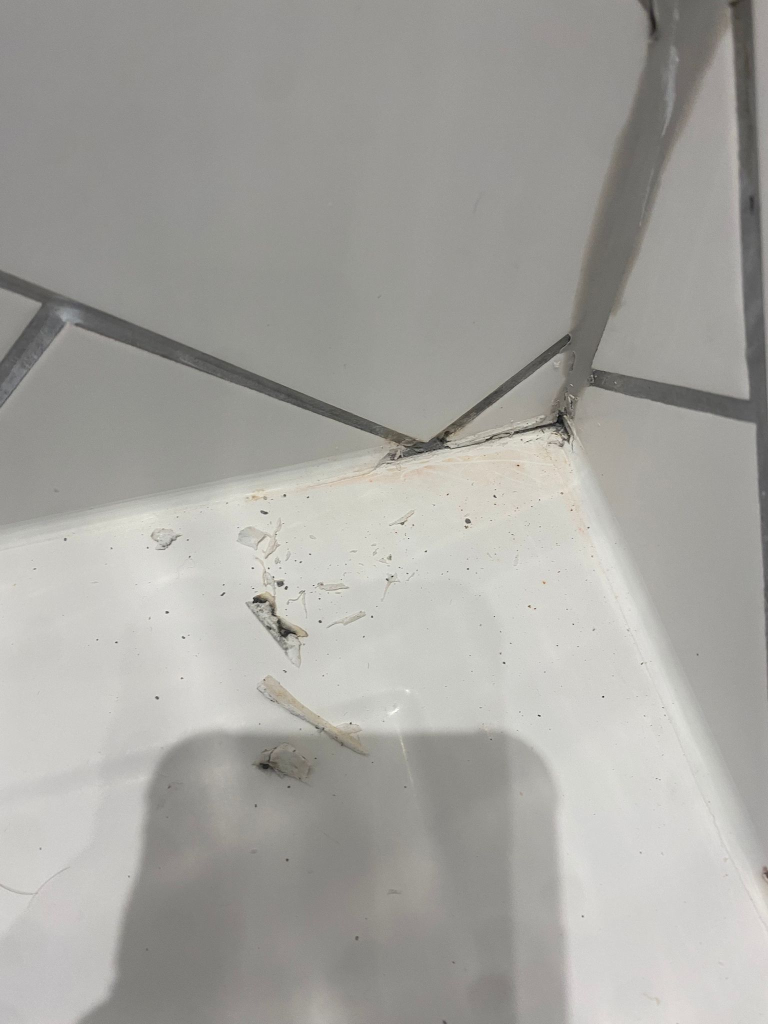
Add to this London’s typically damp, mild climate, the reality that most Londoners live in smaller properties with less airflow than houses in other parts of the UK, and the fact that many rental properties have been inadequately maintained for years and you begin to understand why Remove Black Mould London is so prevalent across the capital and why removing it properly requires more than a quick spray from a supermarket bottle.
This guide covers everything you need to know: what Remove Black Mould London actually is, why it keeps coming back, the serious health risks it creates for you and your family, the right and wrong ways to remove it, your legal rights as a London renter under the newly strengthened Awaab’s Law, and when the only genuinely safe and effective solution is to call a professional cleaning team like SAFA Cleaning Services. Read it once, act on it, and stop mould from winning the battle for your home.
What Is Black Mould and Why Does It Keep Coming Back?
Black mould is a type of fungus that thrives in damp, poorly ventilated environments. What most people call ‘black mould’ is typically one of several species most commonly Cladosporium or Aspergillus, both of which appear as dark green or black patches on walls, ceilings, window frames, and grout lines. The species known as Stachybotrys chartarum, sometimes called ‘toxic black mould’, is less common in UK homes but produces mycotoxins that are particularly hazardous to health.
The reason Remove Black Mould London keeps coming back which is the single most common frustration reported by London homeowners and renters is that surface cleaning only removes what is visible. The invisible root structure of the mould, known as hyphae, penetrates deep into porous materials like plaster, grout, wallpaper, and timber. When you wipe away the dark patch on the surface, the roots remain alive inside the wall. Given moisture, warmth, and a little time, the same colony regrows often within days or weeks.
This is also why bleach only treatment is largely ineffective for London homes dealing with persistent mould. Bleach is an oxidising agent that removes the dark pigment from the mould surface, making it appear to disappear. But the water content in bleach actually penetrates porous surfaces and provides additional moisture to the surviving root system underneath. The mould looks gone for a week or two, then comes back stronger. A fungicidal biocidal wash that kills the roots at a biological level not just removes the stain is always the appropriate cleaning agent for Remove Black Mould London on walls, tiles, and grout.
⚠️ CRITICAL The Bleach Myth
Standard household bleach is NOT an effective Remove Black Mould London remover on porous surfaces like plaster, grout, or wood. It removes the colour but feeds the roots with moisture, causing faster regrowth. Always use a dedicated fungicidal wash or white vinegar solution. If mould returns within two weeks of cleaning, the moisture source has not been resolved.
The Main Causes of Remove Black Mould London Homes
Understanding what is causing the mould in your specific property is essential before you can address it effectively. In London homes, there are several common causes, and more than one can be present simultaneously. Treating the mould without identifying and fixing the cause is always a short term solution the mould will return.
Condensation The Most Common Cause in London
The vast majority of Remove Black Mould London residential properties particularly in flats and Victorian terraces is caused by condensation. When warm, moisture laden air from cooking, showering, breathing, and drying clothes comes into contact with cold surfaces such as external walls, single glazed windows, and bathroom tiles, it condenses into liquid water. In a well ventilated property with modern insulation, this moisture evaporates or drains away quickly. In a typical London flat with cold external walls, inadequate extractor fans, and windows kept closed against traffic noise, it lingers and feeds mould.
Poor Ventilation
Many London properties particularly basement flats, ground floor apartments, and older converted houses have chronically poor ventilation. Rooms without opening windows, broken or absent extractor fans in bathrooms and kitchens, and furniture pushed directly against cold external walls all dramatically increase the risk of mould. Without adequate airflow, moisture laden air has nowhere to go, humidity stays elevated, and mould colonies establish and spread rapidly.
Structural Damp and Leaks
Penetrating damp from cracked masonry, damaged pointing, missing roof tiles, blocked guttering, or leaking pipes introduces water directly into the building fabric creating persistent damp patches that are ideal for deep mould growth. Rising damp, where moisture from the ground wicks upward through walls, is less common but still present in a proportion of older London properties. Both of these structural causes require professional diagnosis and repair before mould treatment will have any lasting effect.
London’s Older Housing Stock
A significant proportion of London’s residential properties date from the Victorian and Edwardian era, with solid brick external walls that have no cavity and no insulation. These walls conduct cold very effectively, meaning their interior surfaces can be significantly colder than the room air even with the heating on. This creates a chronic condensation zone on and near these walls that is extremely difficult to manage without structural intervention. Properties in Islington, Hackney, Stoke Newington, Dalston, and much of inner North and East London are particularly affected.
Black Mould Health Risks What the NHS and UK Government Say
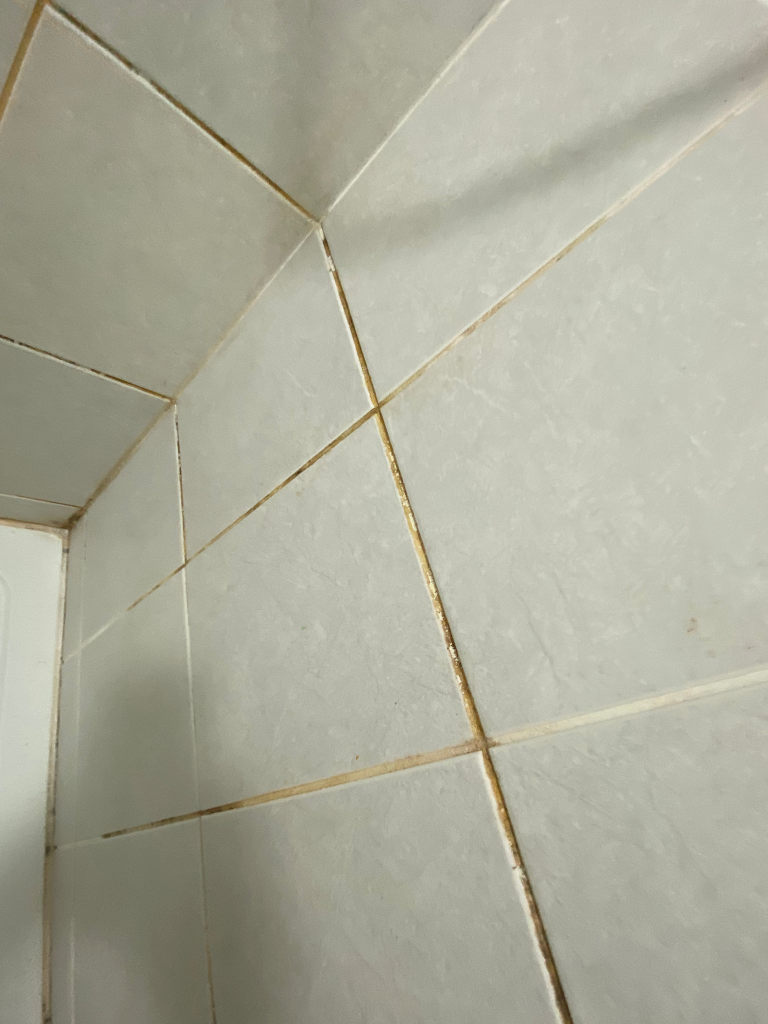
The health risks of black mould are not exaggerated or theoretical. The NHS classifies mould as a Category 1 health risk its most serious category and the UK government has progressively strengthened the legal framework around damp and mould in rented housing specifically because of the documented harm it causes to residents.
Mould produces microscopic spores that become airborne and are inhaled by the people living in the affected property. Even at low concentrations, these spores act as allergens and irritants. At higher concentrations which occur when mould growth is extensive, long standing, or located in areas with high air circulation such as bedrooms the health impacts can be severe and lasting.
The health conditions most closely associated with prolonged Remove Black Mould London exposure in UK homes include: chronic respiratory infections; worsening of asthma, often dramatically so; allergic rhinitis producing persistent sneezing, runny nose, and eye irritation; skin rashes and eczema flare ups; chronic fatigue; and in the most serious cases particularly affecting very young children permanent lung damage. Children living in mould affected homes have been shown to have two to three times higher rates of asthma than those in mould free properties. The elderly and those with compromised immune systems face similarly elevated risks.
The tragedy at the centre of Awaab’s Law, the death of two year old Awaab Ishak from a respiratory condition directly caused by the Remove Black Mould London in his social housing flat, is an extreme but real illustration of where unaddressed mould can lead. No family in London should accept living with black mould as an unavoidable fact of rental life. It is dangerous, and it is addressable.
YOUR LEGAL RIGHTS Awaab’s Law 2026
Awaab’s Law became legally binding for social housing landlords in England in 2026. It requires landlords to investigate damp and mould complaints within 10 working days, begin repairs within 5 working days of identifying a hazard, and address life threatening hazards within 24 hours. Private landlords have parallel responsibilities under the Homes (Fitness for Human Habitation) Act. If your Oven Cleaning London landlord is ignoring a Remove Black Mould London problem, they may be in breach of the law. Document everything in writing and contact your local council housing team if they fail to act.
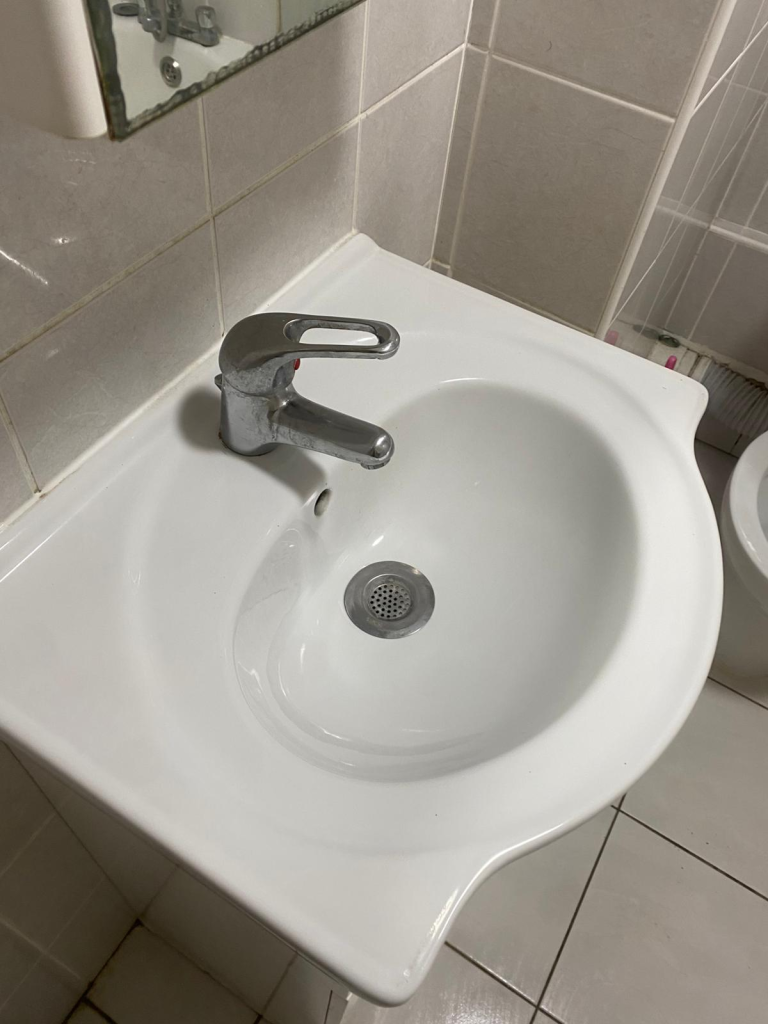
How to Remove Black Mould in London Step by Step DIY Guide
DIY mould removal is appropriate for small surface patches on hard, non porous surfaces where the affected area is under one square metre in total. If the mould is widespread, deeply embedded in grout or plaster, located in more than one room, or keeps returning despite cleaning, professional intervention is needed. For patches within the DIY threshold, here is the correct approach and critically, what not to do.
Step 1 Safety First: Protect Yourself Before You Touch It
Before touching any mould, open all windows in the affected room and close the door to prevent spores from spreading to other areas of the property. Put on a fitted FFP2 or N95 face mask not a basic paper dust mask as standard surgical masks do not filter mould spores effectively. Wear non porous rubber gloves and safety goggles. Wear old clothing you can wash immediately afterwards or bag and dispose of.
Step 2 Choose the Right Cleaning Solution
For mould on hard, non porous surfaces such as tiles, glass, and painted walls, a solution of four parts water to one part white vinegar is effective and safer than bleach. Vinegar kills approximately 82% of mould species and crucially does not leave behind the moisture that bleach does. For more stubborn mould on grout and tile joints, a baking soda paste made from baking soda mixed with water to a thick consistency can be applied and left for ten minutes before scrubbing. For mould on semi porous surfaces such as sealed wood or emulsion painted plaster, a dedicated fungicidal wash from a hardware or cleaning supplies store is the most effective option.
Step 3 Clean Systematically, Not Randomly
Spray the cleaning solution generously onto the affected area and allow it to dwell for a minimum of ten minutes before wiping. Use disposable paper towels or cloths rather than reusable ones bag them immediately after use to prevent spreading spores. Work from the outer edges of the mould patch inward, not outward, to avoid spreading spores to unaffected areas. For grout lines, use a firm bristled old toothbrush or grout brush to scrub the cleaning solution into the gaps.
Step 4 Dry the Surface Thoroughly
After cleaning, dry the surface as completely as possible with a clean cloth or paper towels. A fan heater directed at the cleaned area helps accelerate drying and removes the residual moisture that would otherwise allow surviving spores to re establish. Do not leave the surface even slightly damp.
Step 5 Apply a Preventive Treatment
Once the surface is completely dry, applying a thin coat of mould resistant paint or a fungicidal sealant to walls and ceilings where mould has been treated significantly reduces the likelihood of regrowth. For bathroom grout, a grout sealer applied every six months provides a barrier against moisture penetration. These preventive steps are what separate a cleaning that lasts from one that requires repeating every few weeks.
Quick reminder checklist before you start:
- FFP2/N95 mask not a paper dust mask
- Rubber gloves and safety goggles
- Close the door, open the windows
- White vinegar or fungicidal wash not just bleach
- Disposable cloths bag immediately after use
- Dry completely damp = mould returns
Black Mould on Specific Surfaces Targeted London Home Solutions
Black Mould on Bathroom Tiles and Grout
Bathroom grout is one of the most persistent mould problems in London homes, particularly in properties with older, un resealed grout that has become highly porous over time. The constant moisture exposure in bathrooms combined with London’s hard water which adds a mineral film to surfaces that provides an additional nutrient source for mould makes bathroom grout a chronic problem area. Apply a thick paste of baking soda and white vinegar directly to affected grout lines, leave for 15 minutes, scrub with a stiff brush, and rinse thoroughly. For Remove Black Mould London that has deeply penetrated porous grout, professional cleaning using steam treatment followed by a biocidal sealant produces results that DIY methods cannot consistently achieve. If your grout is crumbling or the mould is behind the tiles, re grouting with a mould resistant formulation and professional cleaning is the appropriate solution.
Black Mould on Walls and Ceilings
Mould on walls and ceilings in London living rooms and bedrooms is almost always caused by cold external walls producing condensation, a structural issue rather than a hygiene one. Cleaning the surface mould is necessary but insufficient on its own. The room needs better ventilation, ideally including a dehumidifier running during damp weather, furniture moved away from external walls by at least five centimetres to allow air circulation, and where possible, improved insulation or secondary glazing to raise the surface temperature of the affected wall. If mould on a wall or ceiling extends over a significant area, returns repeatedly despite cleaning, or penetrates below the surface of the plaster, professional assessment is essential.
Black Mould on Window Frames and Sills
Window frames and sills accumulate condensation in London homes as warm interior air meets the cold glass surface. Wooden window frames are particularly vulnerable as the moisture is absorbed into the wood, where mould roots establish deeply. Clean with undiluted white vinegar applied with a cloth, allow it to dry completely, and treat with a wood specific fungicidal product if the frame is timber. Regularly wiping window sills dry particularly overnight when temperatures drop is the single most effective prevention measure for window frame mould. Consider a DIY internal sill squeegee kept by each window as a daily habit.
Black Mould in the Kitchen
Kitchen mould in London homes most commonly appears around the extractor hood, along the ceiling above the cooker, and in the corner where the kitchen units meet the wall. All of these are condensation hot spots areas where steam from cooking accumulates if extractor ventilation is inadequate. Always use your extractor fan when cooking, including when boiling kettles or using the dishwasher. Keep the extractor filter clean a blocked extractor fan is barely better than no fan at all. For mould on kitchen walls and ceilings, follow the same cleaning approach as for bathroom walls, and consider a kitchen specific dehumidifier if the room is prone to persistent condensation. Our complete guide to deep cleaning the kitchen London covers kitchen mould and grease treatment in full detail.
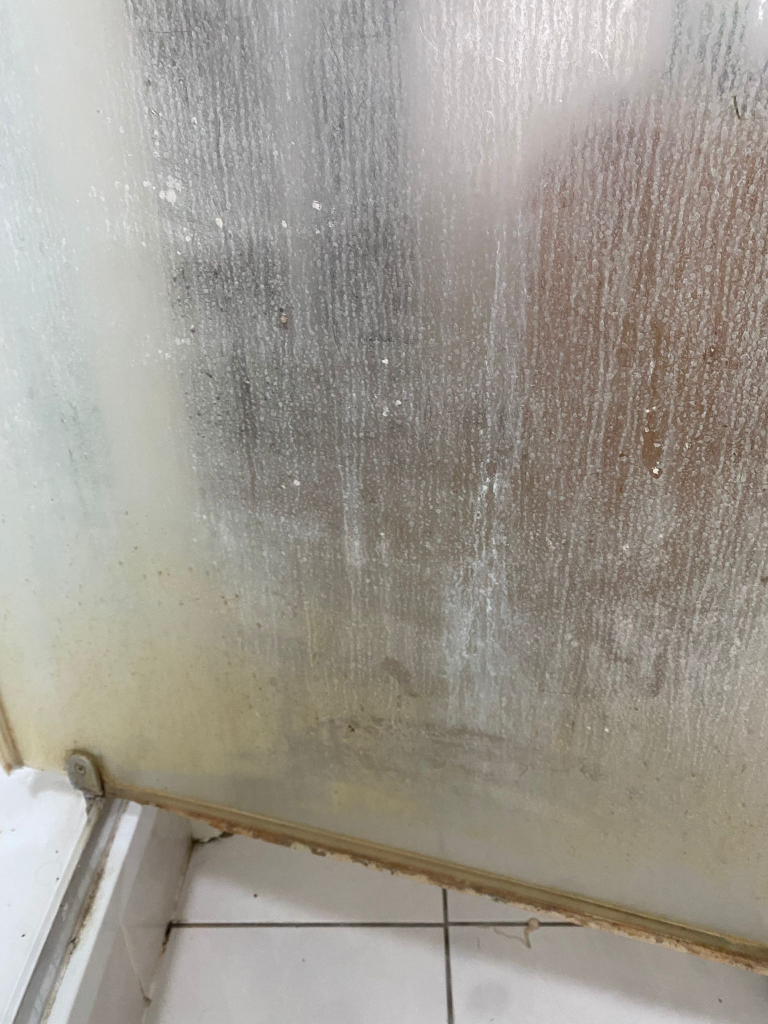
When to Call a Professional Mould Removal Service in London
One of the most important things this guide can do is help you recognise when a black mould problem has moved beyond what DIY treatment can safely and effectively resolve. In London, where housing conditions mean that serious mould infestations are genuinely common, knowing this threshold could protect both your health and your home.
How to Remove Limescale in London Homes is the right choice when the affected area exceeds one square metre, even if it’s spread across multiple smaller patches in the same room. At this scale, the quantity of airborne spores released during cleaning is sufficient to pose a genuine health risk without professional containment equipment, such as negative air pressure systems and HEPA air scrubbers, that prevent spores from spreading through the property.
Professional intervention is also essential when mould has penetrated below the surface of the material when walls feel soft or crumbling at the mould site, when there is a persistent damp or earthy smell even after surface cleaning, or when painted surfaces are bubbling or peeling around the mould area. All of these are signs that moisture has entered the building fabric and that structural drying and material replacement may be required alongside mould treatment.
If mould has returned within four weeks of a thorough DIY clean, the moisture source has not been resolved and professional diagnosis is needed to identify whether the problem is structural damp, a plumbing leak, inadequate ventilation, or a combination. And if anyone in your household particularly children, elderly residents, or those with asthma or immune conditions has experienced worsening respiratory symptoms, persistent coughing, or unexplained allergic reactions that improve when they leave the property, professional mould assessment should be treated as urgent.
SAFA Cleaning Services provides professional mould cleaning and bathroom deep cleaning across all London boroughs. Our experienced team uses protective equipment, professional grade fungicidal products, and thorough cleaning techniques to address mould and protect your household’s health. We offer same day and next day booking, and every clean comes with our full satisfaction guarantee.
How to Prevent Black Mould from Coming Back in London Homes
Prevention is always less costly, less disruptive, and less damaging to your health and your property than repeated mould removal. In London’s challenging conditions hard water, older housing stock, damp climate prevention requires consistent habits rather than occasional interventions.
Ventilation is the single most impactful prevention measure available to London homeowners and renters. Open windows for short bursts of fresh air every day, even in winter five to ten minutes in the morning and evening is enough to significantly reduce indoor humidity. Use extractor fans in bathrooms and kitchens consistently, not only when steam is visibly present. Keep trickle vents on windows open rather than closed. Move furniture five to ten centimetres away from cold external walls to allow air circulation behind them.
Managing moisture at source is equally important. Use lids on pans when cooking. Dry clothes outdoors or in a single room with the window open and door closed never spread damp laundry throughout the flat. Take shorter, slightly cooler showers where possible, and always run the bathroom extractor for at least fifteen minutes after showering. Fix dripping taps and leaking pipes promptly. Wipe down bathroom surfaces and windows after use to remove standing moisture before it can create the condensation conditions that feed mould.
A plug in dehumidifier running in the most mould prone areas of a London property typically the bathroom, bedroom, and any north facing rooms is one of the most practical investments a London renter or homeowner can make. Modern compact dehumidifiers are affordable, quiet, and can reduce indoor humidity from the 70–80% range where mould thrives to the 40–60% range where it cannot establish. Combined with consistent ventilation habits, a dehumidifier can transform a chronically damp London property into one where mould simply cannot get a foothol
Contact SAFA Cleaning Professional Mould Cleaning Across London
SAFA Cleaning Services provides professional Remove Black Mould London, bathroom deep cleaning, residential cleaning, and end of tenancy cleaning across all London boroughs. Our fully insured, background checked cleaning team arrives equipped with professional grade fungicidal products and all necessary equipment. No preparation required on your part simply book and we handle everything.
We cover EC1V, Islington, Shoreditch, Hackney, Stoke Newington, Dalston, Bethnal Green, and all surrounding London areas. Same day and next day appointments are available seven days a week. If you have a black mould problem that DIY methods have not resolved, or if you simply want the reassurance of a thorough professional clean, contact us today for a no obligation quote.

Frequently Asked Questions
Is black mould in my London rented flat my responsibility or my landlord’s?
This depends on the cause. If the mould is caused by a structural problem damp walls, inadequate ventilation by design, a leaking roof or pipe it is legally your landlord’s responsibility to fix, both under the Homes (Fitness for Human Habitation) Act and, for social housing tenants, Awaab’s Law (2026). If the mould is caused by tenant behaviour failing to ventilate properly, drying clothes indoors, not using extractor fans tenants may share responsibility. In practice, the majority of Remove Black Mould London rental properties has at least a structural or design component, and landlords are increasingly required to take proactive action. Document all mould with photographs, notify your landlord in writing, and contact your local council if they fail to act. SAFA Cleaning provides professional mould assessment and cleaning that can help you evidence the scale of the problem.
How quickly does black mould spread in a London home?
Under favourable conditions temperatures between 15°C and 25°C, relative humidity above 70%, and an organic surface to feed on black mould spores can begin germinating within 24 to 48 hours of landing on a damp surface, and visible growth can appear within 1 to 2 weeks. In London homes during autumn and winter, when heating creates warm interior air against cold, uninsulated external walls, the conditions for rapid mould growth are present in many properties
What is the difference between mould removal and mould remediation?
Mould removal refers to cleaning away the visible mould growth on surfaces. Mould remediation is a more comprehensive process that addresses both the visible mould and the underlying conditions causing it identifying and fixing the moisture source, using containment and air filtration to prevent spore spread, treating materials that cannot simply be cleaned, and where necessary removing and replacing affected plaster, grout, or timber. For small, surface level patches in otherwise dry conditions, removal is sufficient. For persistent, recurring, or extensive mould in London homes, remediation is the only approach that produces lasting results. SAFA Cleaning offers professional mould cleaning services that go beyond surface treatment to address the problem comprehensively.
How do I stop condensation mould on my bedroom wall in London?
Condensation mould on bedroom walls in London is almost always caused by cold external walls combined with insufficient ventilation. The most effective combination of measures is: keep bedroom temperature consistently above 18°C overnight to reduce the temperature differential between air and wall; open the window for ten minutes morning and evening even in winter; move the bed and any wardrobes at least five centimetres from external walls; run a compact dehumidifier in the bedroom during cold weather; and clean any mould that has appeared with white vinegar or a fungicidal wash, then allow the wall to dry completely before repainting with a mould resistant paint. If the mould persists despite all of these measures, the wall insulation or ventilation may require structural attention.
How much does professional Remove Black Mould London cost?
Professional mould removal costs in London vary depending on the extent of the problem and the treatment required. For a single bathroom or a small affected area, professional cleaning typically costs between £150 and £400. For a larger affected area requiring full professional remediation, including structural drying and material treatment, costs range from £800 to £2,000 for a medium sized room and from £2,000 to £6,000 or more for whole property treatment. London properties are typically priced 20 to 30% above regional UK averages. We provide transparent, no obligation quotes based on an assessment of your property. Contact us at +44 7708 309825 or admin@safacleaningservices.com for a free quote.
Final Thoughts Do Not Let Mould Win
Black mould in a London home is not something to manage indefinitely or simply learn to live with. It is a genuine health risk, a sign of unresolved moisture problems in your property, and under the strengthened legal framework that came into full effect in 2026 increasingly a legal matter for landlords who fail to act. The longer it is left, the more it spreads, the deeper it penetrates, and the more costly and disruptive it becomes to resolve properly.
The practical steps in this guide give you everything you need to tackle small patches safely at home and to prevent mould from re establishing once it has been cleaned. But if the problem in your London property is beyond the DIY threshold if it is widespread, recurring, or affecting your family’s health the right response is a professional clean from a team that knows what they are doing.
SAFA Cleaning Services is here for exactly that. Our professional mould cleaning, bathroom deep cleaning, and residential cleaning services are available across all London boroughs, with same day and next day booking, a full satisfaction guarantee, and the kind of thorough, reliable service that London households deserve.
Get Your London Home Mould Free Book SAFA Cleaning Today
Same Day Available | Fully Insured | Eco Friendly Products