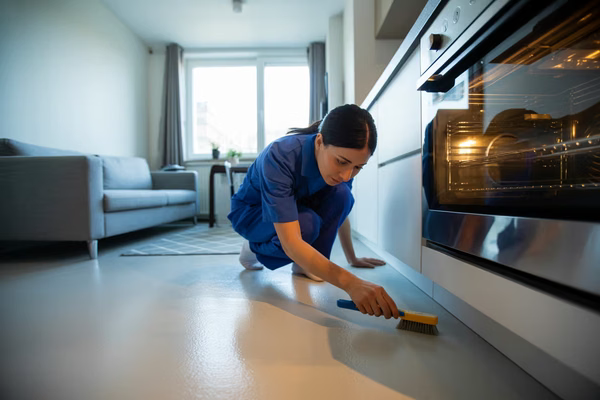
Is your kitchen looking tired after months of heavy daily cooking? A true kitchen deep clean goes far beyond your routine nightly wipe down. It requires systematically targeting hidden corners, breaking down stubborn, carbonised grease, and restoring your cooking space to a sanitary, showroom standard condition.
In London homes, where high density living, compact flat layouts, and regional environmental factors cause kitchens to work double time, a professional grade deep clean can completely transform your living environment. Whether you are prepping your home for hosting guests, preparing for a strict end of tenancy checkout, or simply trying to maintain a pristine household, this definitive guide outlines exactly how to Kitchen Deep Cleaning in London like an industry professional.
What Is Deep Cleaning The Kitchen?
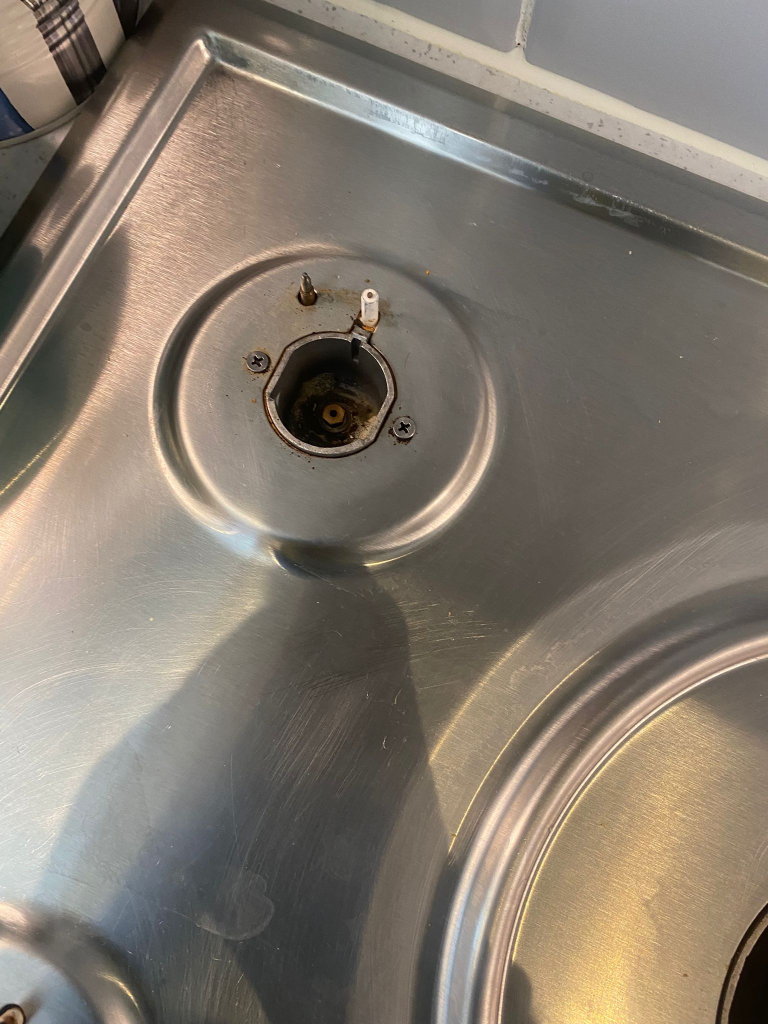
Best kitchen deep cleaning in London is the systematic de greasing, descaling, and sanitisation of every accessible surface, fixture, and appliance, including areas completely missed by daily maintenance. While standard cleaning keeps surface dust and light soil at bay, a technical deep clean focuses on breaking down organic matter and mineral build up in high impact zones:
- Internal Appliance Cavities: Deep inside ovens, microwaves, combi steamers, and refrigerators.
- Mechanical Extraction Systems: Overheated extractor fan motors, housings, and saturated mesh filters.
- Structural Gaps: Behind and underneath heavy freestanding or integrated appliances.
- Storage Frameworks: The deep interior corners of food cabinets, pantries, and utility drawers.
- Substrates and Splashbacks: Discoloured grout lines, porous tile backsplashes, and silicone seals.
How Often Is This Required in the Capital?
While standard properties benefit from a deep clean every 3 to 4 months, busy family households or high occupancy London flats with recirculating ventilation systems generally require professional intervention every 6 to 8 weeks to prevent severe grease accumulation.
Why Deep Cleaning Your London Kitchen Matters
1. Microbiological Health & Food Hygiene
Cooking oils, ambient moisture, and trapped food debris create ideal breeding grounds for pathogenic bacteria like Salmonella and E. coli. A deep clean uses targeted sanitisation to eliminate hidden microbial hotspots, ensuring your food preparation surfaces are safe for your family.
2. Extending Appliance Longevity
Layered grease and dust insulation force appliance compressors and heating elements to work twice as hard. Removing carbonised build up from oven elements and vacuuming dust coils on integrated refrigerators lowers monthly energy consumption and prevents premature appliance breakdown, saving you from expensive replacement costs.
3. Securing Tenancy Deposits & Property Value
For tenants, landlords, and letting agents across London, a spotless kitchen is a non negotiable metric during property turnovers. A thorough deep clean ensures properties pass stringent third party inventory clerk inspections, protecting your deposit and upholding your asset’s market value under the Tenancy Deposit Scheme (TDS).
4. Psychological & Mental Wellbeing
Eliminating visual clutter and the subtle, stale odors of old cooking grease significantly reduces daily stress. Cooking becomes an enjoyable, creative experience again when you are operating in a gleaming, systematically organized space.
Professional Commercial Kitchen Deep Cleaning Services Across London
For commercial food businesses, maintaining pristine hygiene isn’t just about appearance; it’s a strict legal requirement under UK Food Safety Regulations and a necessity for grease hygiene compliance. Standard daily kitchen portage removes surface grime, but commercial setups require periodic, heavy duty industrial restoration. Safa Cleaning Services provides specialized commercial kitchen deep cleaning across all London boroughs. Our certified teams use professional-grade, high pressure steam extraction and industrial-strength degreasers to completely strip carbonized grease from heavy duty fryers, combination ovens, stainless steel preparation lines, and complex extraction canopies. Whether you are running a busy restaurant in Soho, a dark kitchen in Hackney, or a school canteen in Wandsworth, we provide full, insurance approved certification to ensure your premises easily pass Environmental Health Officer (EHO) inspections and maintain a top tier 5-star Food Hygiene Rating.
Step by Step Professional Deep Cleaning Process
Step 1: Declutter and Isolate
Clear every item off the countertops, empty the dishracks, and completely clear out the sink basin. Isolating the physical infrastructure gives you a blank canvas, ensuring you don’t track grease onto clean kitchenware.
- Pro Tip: Take high resolution “before” photos. Documenting the transformation helps you track areas with high grease build up so you can modify your daily maintenance routine.
Step 2: Restore the Oven Infrastructure
The oven is typically the most heavily soiled appliance in any kitchen. Tackle it first so its long product dwell times don’t slow down the rest of your workflow.
- Extract all internal wire racks, side pods, and baking trays. Soak them in a heavy duty dip tank or large basin filled with boiling water and an enzyme active degreaser.
- Apply a specialized, non-caustic oven cleaning gel or paste across the interior vitreous enamel walls, avoiding the heating elements and fan blade assemblies.
- Allow the solution to dwell for 20 30 minutes to break down carbonised food spillages.
- Scrub the soaked racks with a non-scratch wire or polymer scourer to peel off charred debris.
- Wipe down the oven interior with a damp microfibre cloth, rinsing thoroughly to remove all chemical residues.
London Property Adaptation: Many urban flats feature compact, integrated single ovens with minimal ventilation. Instead of harsh, fumes heavy chemicals that can overwhelm a small flat, use a natural paste of bicarbonate of soda and white vinegar for an effective, low vapour clean.
Step 3: Sanitize and Reset the Refrigerator
Refrigerators are frequently overlooked, leading to mold growth along flexible door seals and bacteria build up in drainage channels.
- Completely empty the unit and check the expiry dates on all items.
- Carefully remove all glass shelving shelves, crisper drawers, and door racks.
- Wash all removable components in warm, soapy water; allow them to reach room temperature first to avoid cracking the glass.
- Spray the entire food grade plastic interior with a specialized antibacterial cleaner, paying close attention to shelf runners and corners.
- Use a detailing brush to clean inside the rubber door gaskets, where mold spores frequently hide.
- The Hidden Step: Pull freestanding refrigerators away from the wall. Vacuum the rear condenser coils to remove dust and debris, which significantly helps lower energy bills.
Step 4: Degrease the Extractor Fan and Range Hood
A kitchen’s ventilation system traps airborne grease vapor before it can settle on walls and ceilings. Over time, these filters become saturated and pose a fire hazard.
- Release the mesh or carbon filters from the underside of the hood canopy.
- Soak aluminum mesh filters in boiling water mixed with a heavy duty liquid degreaser or washing up liquid to emulsify trapped oils.
- Wipe down the inner housing framework and exterior stainless steel canopy, wiping along the grain of the metal to avoid scratching.
- Scrub, rinse, and completely dry the mesh filters before clipping them back into place. (Note: Saturated carbon filters cannot be washed and must be replaced entirely).
Step 5: Clean Cabinet Frameworks Inside and Out
Airborne grease mixes with daily dust to create a sticky film over upper cabinetry doors, handles, and framework tops.
- Work through your kitchen section by section, completely emptying each cabinet.
- Wipe down internal shelves with an all purpose cleaner to remove food crumbs and ring marks.
- Clean the exterior cabinet doors, spending extra time on the greasy residue that accumulates around handles and soft close hinges.
- Wipe down the flat, hidden tops of upper cabinets, which are notorious hotspots for thick dust and grease layers.
Step 6: Detail Tiles, Grout, and Backsplashes
Porous cement grout lines readily absorb cooking oils and ambient moisture, leading to staining and localized discoloration.
- Liberally spray your tiled splashback with an alkaline degreasing solution.
- Agitate the grout lines using a stiff bristled detailing brush or a dedicated grout brush to pull out trapped grease.
- Wipe away the emulsified grime with a clean, damp cloth.
- Buff the tile surfaces with a dry microfibre cloth to leave a streak free, high shine finish.
Step 7: Descale and Polish the Sink Basin
As the main collection point for all kitchen waste, the sink requires deep sanitisation and careful attention to plumbing fixtures.
- Scrub the entire basin with a gentle abrasive paste, like bicarbonate of soda, to remove surface stains without scratching the finish.
- Apply an acidic descaling solution to taps and aerators to safely dissolve stubborn water minerals.
- Clean the underlying cupboard space, looking out for any slow pipe leaks or dampness.
- Flush the drain with bicarbonate of soda followed by boiling white vinegar to clear organic build up and eliminate foul odors. Finish by polishing all chrome fixtures with a dry microfibre cloth.
Step 8: Detail Skirting Boards and Deep Clean Floors
The final phase captures all the dust, debris, and cleaning residues that have dropped from higher surfaces.
- Thoroughly vacuum or sweep the floor, running your vacuum nozzle right into the edges and corners.
- Wipe down all skirting boards with a damp cloth mixed with a multi surface cleaner to remove scuff marks.
- Temporarily remove appliance kick plates (plinths) to sweep out any hidden dust and debris underneath the cabinetry.
- Mop the floor using a substrate specific cleaner (such as pH-neutral solutions for natural stone or wood laminates) to leave the kitchen fully refreshed.
Time Saving Tips from Professional Cleaners
Work Top to Bottom: Always clean from ceiling to floor. This way, dust and debris fall down to areas you haven’t cleaned yet, not onto freshly cleaned surfaces.
Use the Waiting Time: While oven cleaner or degreaser sits, use that time to clean something else. Efficient task stacking cuts your total time significantly.
Microfibre Is Magic: Invest in good microfibre cloths. They clean more effectively than regular cloths, need less product, and last for years.
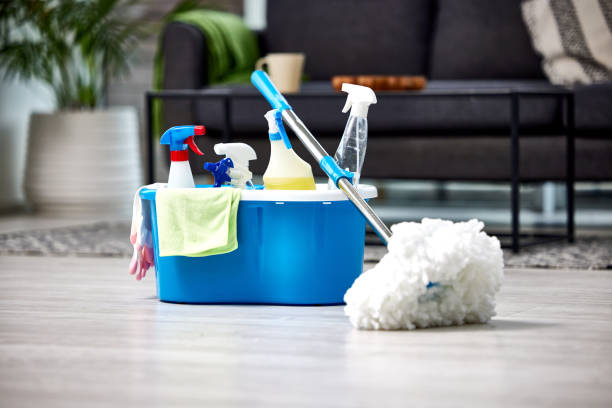
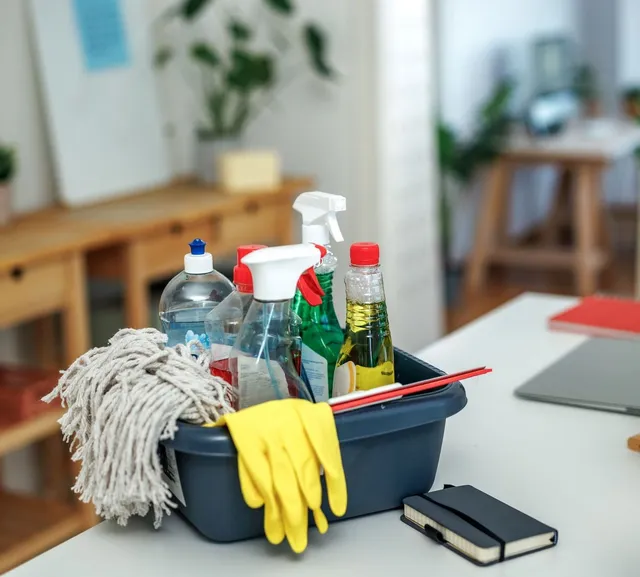
Create a Cleaning Caddy: Keep all supplies in a portable caddy. Moving from task to task is quicker when everything is to hand.
Set a Timer: Deep cleaning can feel overwhelming. Set 20-minute timers and take short breaks. It’s more manageable and you’ll work more efficiently.
People Also Ask About Deep Cleaning The Kitchen
Q: How does London’s hard water affect my kitchen, and how do you handle it?
A: London’s water supply is classified as highly “hard,” containing elevated levels of calcium carbonate (averaging over 300mg per litre). When this water evaporates on warm surfaces, it leaves behind stubborn, chalky limescale deposits on taps, sinks, and inside boiling appliances. Standard surface cleaners cannot dissolve these mineral bonds. Our deep cleaning methodology utilizes commercial grade, eco-friendly descaling agents that break down calcium crusts without pitting chrome or scratching stainless steel.
Q: Can your deep cleaning service help secure a tenant’s deposit under TDS guidelines?
A: Yes, absolutely. Professional inventory clerks use highly detailed checklists that explicitly look for grease in hard to reach areas, like behind the cooker, inside extractor hoods, and baked on carbon inside the oven. Safa Cleaning Services provides a comprehensive, invoice backed deep clean that serves as official proof of professional maintenance. This documentation helps tenants safeguard their deposits and provides landlords with an immaculate property ready for the next tenancy.
Q: Are your cleaning teams fully equipped to handle parking and ULEZ restrictions across London?
A: Yes. We manage all logistics related to London’s transport regulations internally. Our team vehicles are fully compliant with the Ultra Low Emission Zone (ULEZ) and Congestion Charge schemes across Central and Greater London. When booking a service for properties with highly restricted street parking such as those in Kensington, Chelsea, Islington, or Westminster simply let our booking team know about any local estate parking bays, visitor permits, or loading zones we can utilize.
Q: How long does a professional kitchen deep clean take in a typical London flat?
A: A standard studio or 1-bedroom London flat conversion generally takes 2 to 3 hours for a professional multi person team to complete. For larger period terraces or multi story properties with expansive kitchens, a deep clean can take between 4 and 6 hours. The total time depends entirely on the layout of your kitchen, the number of integrated appliances, and the level of grease build-up.
Common Mistakes to Avoid When Deep Cleaning
- Using Abrasive Chemical Formulations: Applying harsh acidic cleaners to delicate marble countertops, using bleach on porous grout, or using coarse wire brushes on brushed stainless steel can cause permanent surface damage. Always test products on an inconspicuous area first.
- Rushing Chemical Dwell Times: High quality degreasers and oven cleaning gels require time to break down stubborn grease molecules. Wiping them off too quickly forces you to scrub harder, which can scratch surfaces and leave residual grime behind.
- Ignoring Hidden Integration Spaces: Cleaning around an appliance while ignoring the dust heavy voids underneath or behind it leaves structural grime completely untouched. A true deep clean requires pulling out appliances to reach these hidden areas.
- Cleaning in Poorly Ventilated Spaces: Many professional grade cleaning products emit concentrated vapours. Always keep windows open to ensure consistent airflow this is especially important in compact London flat conversions with limited natural ventilation.
Professional Kitchen Deep Cleaning: When to Call the Experts
Finding the time for a multi hour Kitchen Deep Cleaning in London can be incredibly challenging with a busy city schedule. Safa Cleaning Services provides professional, efficient deep cleaning support tailored to your property’s specific needs.
You Should Consider Booking Professional Help For:
- Severe Time Constraints: When you are working long hours and want to save your weekends for relaxing.
- End of Tenancy Handovers: When you need an flawless clean that meets strict property inventory standards.
- Heavy Grease Build Up: When an oven or extraction unit has been neglected and requires commercial grade restoration.
- Moving into a New Home: Ensuring your new kitchen is fully sanitised and ready for use from day one.
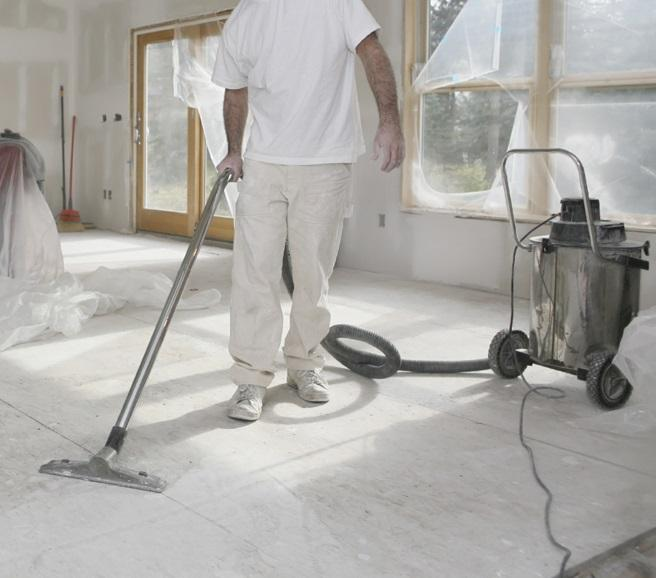
- Post Renovation Clean up: Removing fine construction dust, silica residue, and adhesive overspray from new installations.
What Our Professional Service Includes:
- Full internal and external appliance deep cleaning (ovens, hobs, fridges, and microwaves).
- High temperature targeted steam cleaning to break down thick grease and sanitise surfaces without excessive chemicals.
- Application of commercial grade, food safe degreasers and broad spectrum sanitisers.
- Comprehensive tile and grout scrubbing to restore discoloured walls.
- Meticulous detailing of hard to reach areas, including cabinet tops, plinths, and light fixtures.
Tailored Cleaning for Different London Property Architectures
 -----------------------------------------------------------------------------------
  STUDIO & 1-BED FLATS
 Focus: Space optimised kitchens, compact integrated appliances, recirculating
 filters. Requires low vapour cleaning solutions.
 -----------------------------------------------------------------------------------
 VICTORIAN & GEORGIAN CONVERSIONS
 Focus: High ceilings but often delicate, non-standard layouts. Requires gentle,
 pH-neutral care for period features and historic tile substrates.
 -----------------------------------------------------------------------------------
 MODERN HIGH RISE APARTMENTS
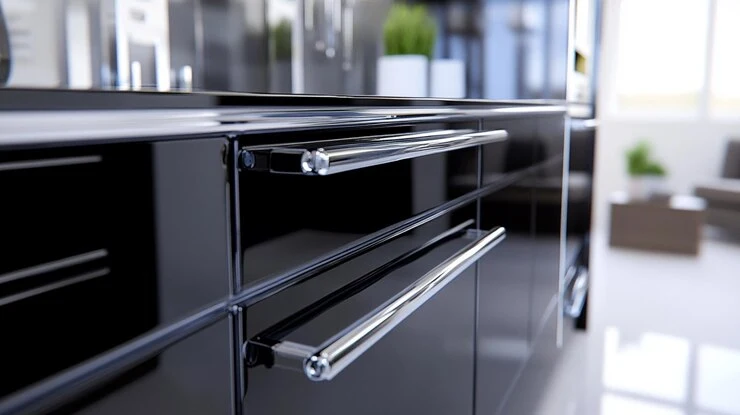
 Focus: Sleek, high gloss cabinetry and premium integrated brands (Neff/Miele).
 Requires scratch free microfibre techniques and zero harsh abrasives.
 -----------------------------------------------------------------------------------
 PERIOD TERRACED HOUSES
 Focus: Expansive multi zone family kitchens with heavy daily usage footprints.
 Benefits from systematic zone by zone deep cleaning strategies.
 -----------------------------------------------------------------------------------
Ready to Restore Your Kitchen?
A thorough Kitchen Deep Cleaning in London does more than just make your surfaces shine it improves home hygiene, helps your appliances run more efficiently, and creates a more welcoming space to cook and gather. Whether you choose to take on the project yourself using our guide or hand it over to a professional team, keeping your kitchen deep cleaned is a fantastic investment in your home.
Book Your Professional Deep Clean Today
Short on time? Let the experienced team at Safa Cleaning Services restore your kitchen to pristine condition.
Special Welcome Offer: Book your first Kitchen Deep Cleaning in London this month and receive 10% off your total quote!
- Direct Helpline: 📞 +447708309825
- Digital Booking Platform: 💻 www.safacleaningservices.com
- Central Administration Email: 📧 admin@safacleaningservices.com
Our cleaning teams operate 7 days a week, providing flexible scheduling options across all London residential areas.